‘Criminals for hire’ linked to shooting at U.S. Consulate in Toronto

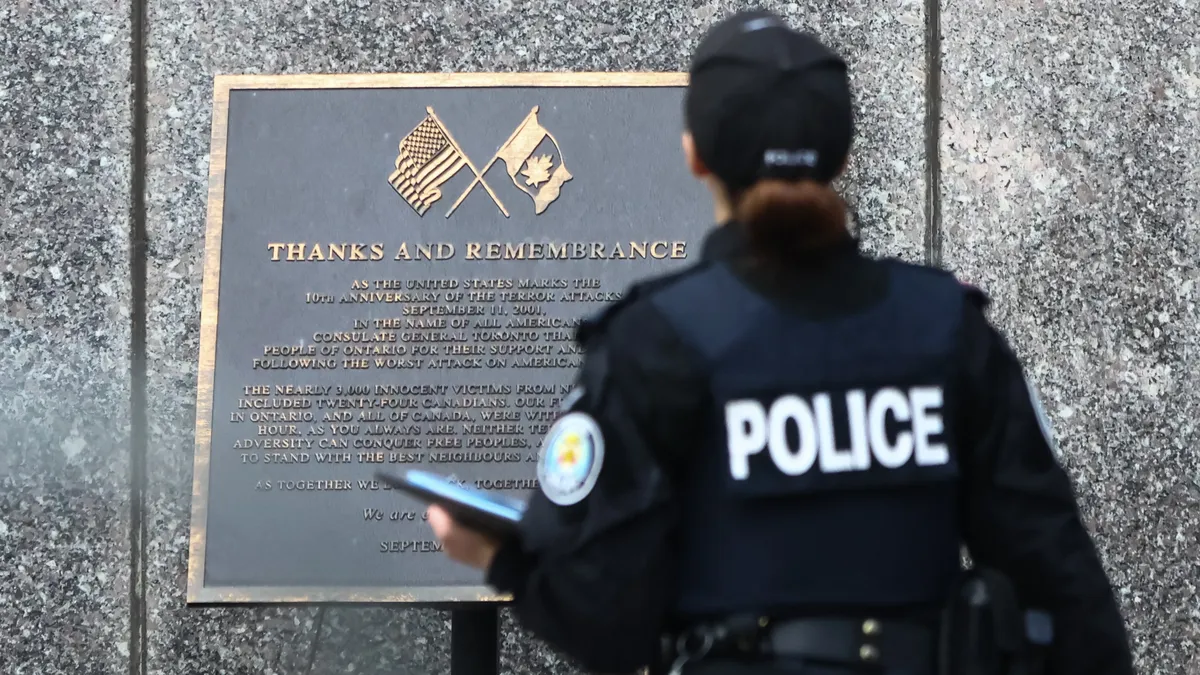
Criminals for Hire Tied to March Shooting at U.S. Consulate in Toronto
Cybersecarmor.com – On March 10, a shooting at the U.S. Consulate in Toronto, Canada, has been traced back to a coordinated network of individuals paid to execute and document attacks. Toronto police have confirmed that the incident is part of a larger pattern involving “criminals for hire,” who are recruited through encrypted messaging platforms to target specific locations. This revelation came during a press conference held on June 16, where officials emphasized the growing threat posed by these operatives.
Attack Details and Initial Response
The shooting occurred at approximately 4:30 a.m., when two men in a white Honda approached the consulate and opened fire. A witness reported that the suspects fired a handgun, quickly returned to their vehicle, and disappeared before authorities could intervene. Despite the gunfire, no one was injured in the attack. However, investigators have since linked the weapon used to at least 21 other incidents, including a fatal shooting in June that claimed the life of Toronto Constable Marc Pinizzotto.
“Through encrypted messaging apps, young people are hired to carry out attacks against various targets. In order to get paid, they’re required to film their attacks,” said Chief Myron Demkiw, highlighting the modus operandi of the suspected network.
The weapon recovered from the scene has been connected to a series of shootings across Toronto, with authorities calling the consulate attack a “national security incident.” The second firearm, also traced to the United States, has been linked to six other incidents. Both guns are believed to be part of a larger arsenal used by the network to orchestrate attacks with precision.
Expanding the Investigation
Toronto police are now examining a complex web of criminal activity that spans multiple locations and involves layers of operatives. Superintendent Joe Matthews noted that the suspects appear to be younger individuals who are incentivized to commit crimes by financial gain. “The network we are investigating, as it’s unfolding, it seems there are multiple networks multi-layered that the actual actors committing the violence are younger in age,” he explained.
The investigation has also revealed that the suspects use encrypted apps like WhatsApp, Signal, and Telegram to coordinate their efforts. These platforms are said to provide anonymity, making it difficult for law enforcement to track the perpetrators. The police are working closely with the FBI to uncover the masterminds behind the attacks, as the coordination appears to extend beyond Canadian borders.
Criminals for Hire and Their Motives
According to police, the “criminals for hire” model involves recruiting individuals who are willing to carry out violent acts in exchange for payment. These recruits are often motivated by financial incentives rather than personal vendettas. The consulate shooting, which did not result in injuries, is seen as a test of this method, aimed at instilling fear in the community.
“WHAT WE ARE DEALING WITH IN THIS CASE IS A RECURRING AND SIMILAR MODUS OPERANDI,” Demkiw stated. “It is clear that some of the people hiring these criminals want to create a sense of fear in our communities, including in the Jewish community.”
The U.S. government has also become involved in the case, with a May court filing linking the consulate shooting to Mohammad Baqer Saad Al-Saadi, an Iraqi national accused of leading a terrorist network. The filing revealed that Al-Saadi discussed the attack in a recorded phone call, suggesting a deliberate effort to target diplomatic facilities.
While the suspect in the consulate incident remains unidentified, a 19-year-old individual is under investigation for the June 11 shooting that killed Constable Pinizzotto. This same age group is suspected in the March attack, though the person responsible has not yet been apprehended. The connection between these cases has raised concerns about the organization and efficiency of the criminal network.
Broader Implications and Future Steps
The case has sparked a broader discussion about the role of technology in modern crime. Encrypted messaging apps have become a tool for orchestrating attacks, allowing perpetrators to plan and execute violence without detection. Police are now focusing on identifying the coordinators within the network, as well as the individuals who profit from these activities.
Demkiw emphasized that the investigation is ongoing, with teams working to connect the dots between the various incidents. “We are still working actively to investigate who is responsible for orchestrating these criminal acts,” he said. The consulate attack, while non-lethal, is seen as a precursor to more severe threats, particularly against vulnerable groups such as the Jewish community.
As the investigation progresses, Toronto police have urged the public to remain vigilant. They have also warned that the network may continue to target diplomatic and government buildings, using young recruits to carry out attacks while maintaining a low profile. With collaboration between Canadian and U.S. authorities, the hope is to dismantle this operation and prevent future incidents.
The case underscores the evolving nature of criminal activity in the digital age. By leveraging encrypted communication and exploiting the willingness of young adults for financial gain, the network has managed to execute attacks with a level of coordination previously seen in more established criminal organizations. As law enforcement continues to unravel the connections, the focus remains on identifying those behind the scenes who profit from chaos and fear.
International Collaboration and Legal Actions
The U.S. Department of Justice has taken steps to link the consulate shooting to Al-Saadi, who is accused of planning multiple plots across the United States, Canada, and Europe. This collaboration between Toronto police and the FBI is critical in tracing the origins of the attacks and identifying the individuals responsible for financing and directing them.
With the March shooting serving as a pivotal point in the investigation, authorities are now examining the broader implications of such coordinated attacks. The use of encrypted apps and the recruitment of young people have created a new challenge for law enforcement, requiring advanced techniques to track and apprehend suspects. As the network’s activities unfold, the focus remains on uncovering the full extent of its reach and its potential to target other high-profile locations.