Charles Barkley says Spurs players were target of his ‘dumbest team’ quip

Charles Barkley says Spurs players were target of his ‘dumbest team’ quip
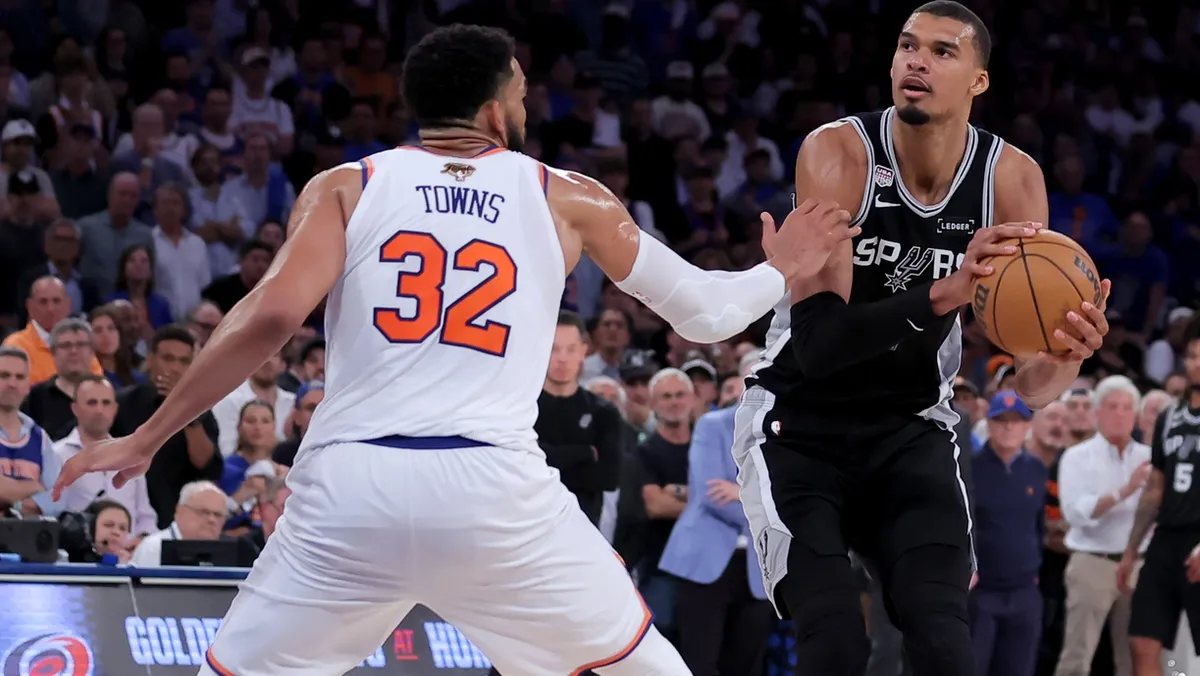
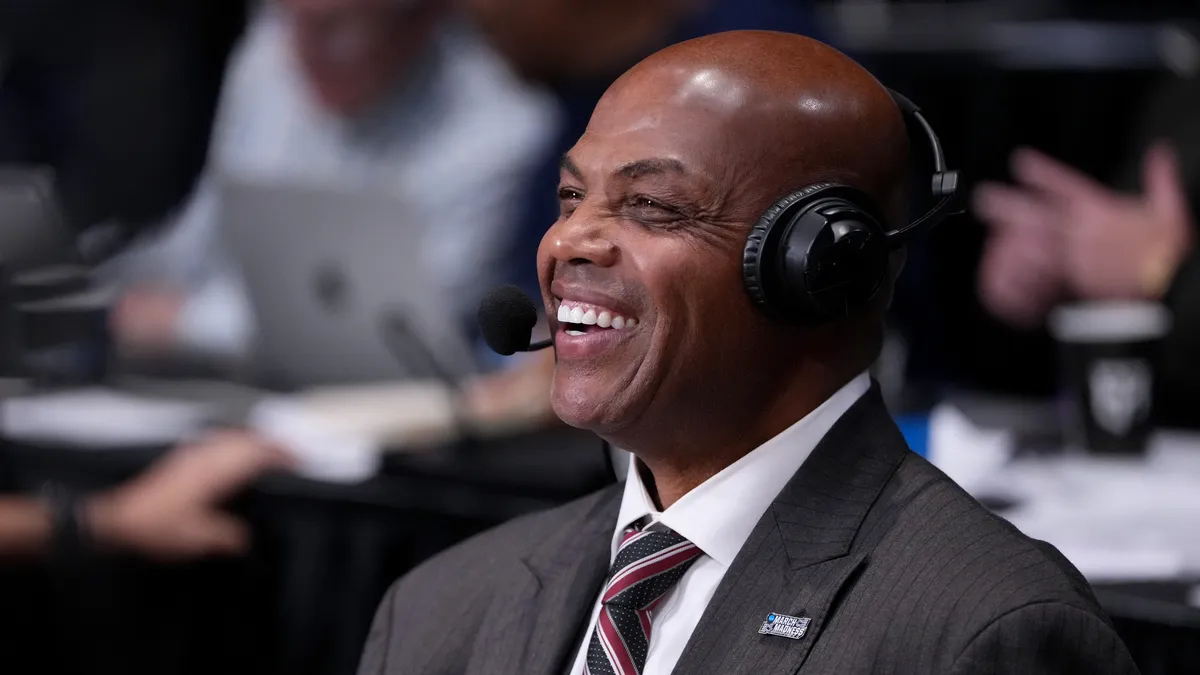
Cybersecarmor.com – During the postgame discussion on “Inside the NBA” following the New York Knicks’ 107-106 upset victory over the San Antonio Spurs in Game 4 of the NBA Finals, Charles Barkley intensified his critique of the Spurs. The team had entered the fourth quarter with a commanding 29-point lead, only to see their dominance crumble as the Knicks mounted a furious comeback. Barkley, known for his fiery personality and blunt commentary, took this opportunity to amplify his earlier remarks, but added a clarification to avoid misinterpretation.
Barkley’s Bold Assessment
Barkley’s infamous line—“the dumbest basketball team in the history of civilization”—was delivered with his signature intensity, capturing the frustration of fans who had watched the Spurs’ collapse unfold in real time. The comment, which had already sparked debate, gained new weight after the Knicks secured a 3-1 series lead. While the Spurs had dominated the first three games, their inability to maintain composure in the final quarter left Barkley with no choice but to voice his opinion.
“When you blow a 29-point lead, the other team has to help you,” Barkley said. “The San Antonio Spurs helped the New York Knicks win this game by doing some of the stupid(est) stuff I’ve seen on a basketball court.”
His criticism extended beyond the game itself, targeting the Spurs’ decision-making and in-game execution. Barkley emphasized how the team’s defensive lapses and poor shot selection in the second half allowed the Knicks to capitalize on every opportunity. This moment marked a turning point in the series, as the Spurs’ earlier dominance was overshadowed by their late-game struggles.
Clarification Amid Controversy
Despite his harsh words, Barkley quickly clarified that his ire was directed at the players, not the coaching staff. During the pregame show before Game 5, he acknowledged his earlier statement and retracted any implication that Coach Mitch Johnson was to blame. “When I said ‘it was really dumb basketball’ the other night,” he explained, “I was talking about the players. I want to make it clear that I wasn’t talking about Coach (Mitch Johnson).”
This clarification came after some confusion among fans and analysts, who initially thought Barkley was criticizing the Spurs’ coaching strategy. The coach, Mitch Johnson, had been a steady presence throughout the series, guiding his team with a focus on fundamentals and teamwork. However, the Spurs’ second-half performance had drawn criticism for its lack of discipline and missed opportunities. Barkley’s comments highlighted the contrast between the team’s early success and their later breakdowns.
The Collapse That Defined the Series
Game 4’s dramatic turn of events had left many questioning the Spurs’ ability to sustain momentum. Despite a strong start, the team’s defense began to falter as the Knicks’ offense surged. Key moments included missed shots from the Spurs’ star players, turnovers that gifted the Knicks easy baskets, and a series of critical decisions that seemed to prioritize individual flair over team strategy.
Barkley’s critique underscored the importance of consistency in high-stakes games. “You can’t have a team that’s so much better in the first half and then just let everything fall apart in the second,” he said. “That’s what happened here. It’s not just about talent—it’s about execution.” His words resonated with fans who had seen the Spurs’ potential undermined by their own mistakes.
Context and Legacy of Barkley’s Comments
Barkley’s remarks were part of a broader pattern of his commentary during the NBA Finals. Known for his candid opinions, he had previously criticized teams for their lack of focus or strategic missteps. This incident, however, carried particular weight due to the Spurs’ reputation as a model franchise. For years, the Spurs had been lauded for their teamwork, discipline, and adaptability, making their late-game struggles even more surprising to observers.
Yet, Barkley’s bluntness was not without purpose. By labeling the Spurs as the “dumbest team,” he aimed to highlight the contrast between their perceived strengths and the reality of their performance. The phrase, though strong, was a reflection of the game’s unpredictability and the pressure that comes with being a top-tier team. It also served as a reminder that even the most disciplined organizations can face challenges when the stakes are highest.
Impact on the Series and Fan Perception
The Spurs’ collapse in Game 4 sparked a wave of analysis, with many fans and analysts dissecting the team’s decisions. Barkley’s comments added fuel to the fire, emphasizing the human element in sports—how a single moment of hesitation or misjudgment can change the trajectory of a series. His quip also served as a rallying point for critics who felt the Spurs had let their momentum slip away.
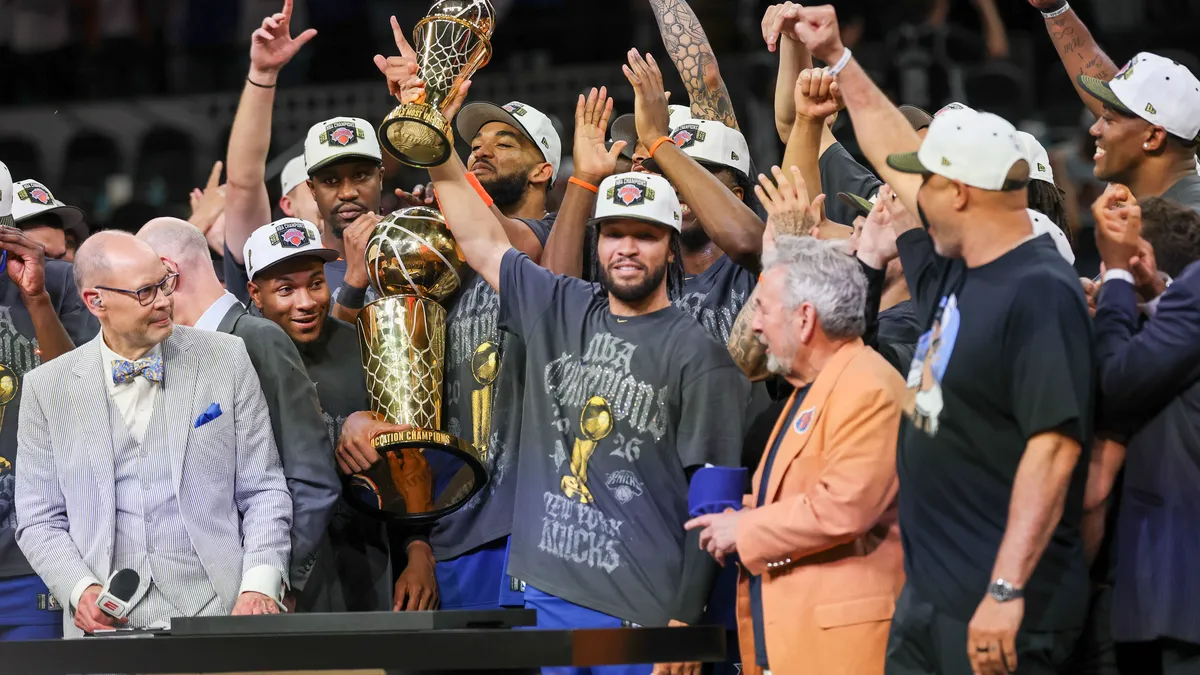
For the Knicks, the victory was a morale booster, and Barkley’s praise for their resilience added to the celebration. “They came back like a team that believed in itself,” he said, acknowledging the Knicks’ ability to capitalize on the Spurs’ mistakes. This sentiment was echoed by many, as the Knicks’ comeback was seen as a testament to their preparation and determination.
As the series moved to Game 5, the Spurs faced the challenge of regaining their composure. Barkley’s focus on the players rather than the coach suggested that the team’s issues were rooted in their collective decision-making. Whether this was a temporary lapse or a sign of deeper problems would become clear in the following days, but for now, the Spurs were under scrutiny.
Reliving the Knicks’ Triumph
In addition to his commentary on the Spurs, Barkley also praised the Knicks’ efforts to reclaim their title. His remarks were part of a broader promotion for a new book that chronicled the team’s journey to victory. The book, which delved into the Knicks’ history and their path to the championship, was positioned as a must-read for fans seeking insight into the series’ defining moments.
Barkley’s ability to balance criticism with praise was a hallmark of his career. While he was unapologetic about his harsh take on the Spurs, he was equally enthusiastic about the Knicks’ success. This duality made his comments all the more compelling, as they provided a nuanced view of the series and the teams involved.
As the NBA Finals continued, the Spurs would need to address their second-half shortcomings. Barkley’s quip, while controversial, offered a fresh perspective on the game’s dynamics and the importance of maintaining focus. Whether his words would be remembered as a moment of insight or a fleeting outburst would depend on how the Spurs performed in the remaining games, but for now, his critique had captured the attention of the basketball world.
Ultimately, the incident highlighted the role of commentators in shaping narratives and the impact of their words on public perception. Barkley’s choice to target the players rather than the coach added a layer of complexity to his analysis, ensuring that the Spurs’ struggles were seen through the lens of their own actions. This approach kept the discussion grounded in the game’s reality, even as it sparked debate over the team’s performance and strategy.