
Europe Day: 40 years of ups and downs in Spain’s relationship with the European Union
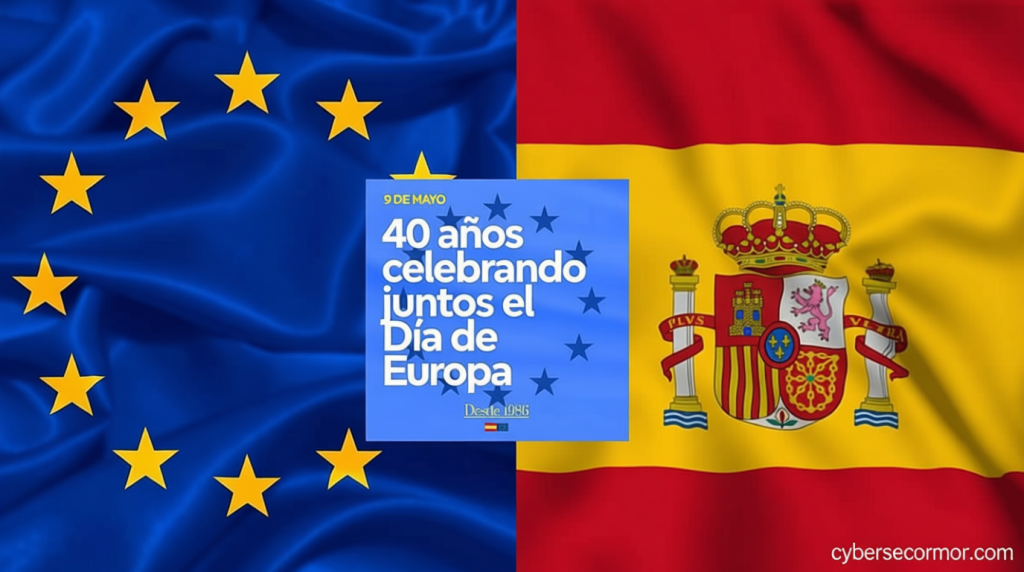
Spain’s 40-Year Journey with the European Union
Europe Day – Four decades ago, Spain stood at a crossroads, having recently transitioned from four decades of dictatorship. The nation’s democratic shift, though fragile, found a steady foundation in European integration. Joining the European Union was not merely a political choice but a symbol of reconnection with the broader democratic world, which had once been alienated under Francoism. This transformation marked a pivotal moment in Spain’s modern history, setting the stage for a complex and evolving relationship with Europe.
The Shift from Dictatorship to Democracy
Spain’s entry into the European Union in 1986 was a landmark event, but the path to this milestone began much earlier. Following the death of dictator Francisco Franco in 1975, the country embarked on a fragile yet determined process of democratization. This era, characterized by political reforms and social change, positioned Spain as a candidate for EU membership. The key figure in this transition was Felipe González, who, as leader of the Socialist opposition, had championed the cause of European unity in 1977. By 1986, he was prime minister, steering Spain toward its first significant step into the European community.
“Joining Europe was not just about economics. It was a statement of political identity.”
González’s vision emphasized that EU integration would secure Spain’s democratic gains and provide a framework for sustainable growth. At the time, the nation’s economic indicators reflected a country still catching up with European standards: per capita income hovered around 7,300 euros, life expectancy was 76 years, and exports accounted for less than 5% of GDP. Infrastructure, too, lagged behind, with roads, railways, and ports struggling to meet the demands of a modernizing economy.
Economic Foundations and Structural Challenges
The early years of EU membership were marked by both opportunities and upheaval. Spain had to rapidly adapt to European market dynamics, which exposed domestic industries to fierce competition. This shift sparked debates and challenges, particularly in agriculture and manufacturing sectors. The Common Agricultural Policy (CAP) played a transformative role, reshaping rural landscapes and pushing farmers toward modernization. While the process was painful, it also opened doors to new markets for Spanish products like olive oil, fruit, and wine, which found a broader audience across Europe.
At the same time, structural funds from the EU began to flow into Spain, catalyzing large-scale infrastructure projects. Highways now crisscross the Iberian Peninsula, modernized ports facilitate global trade, and telecommunications systems have revolutionized connectivity. These developments were made possible by over 185 billion euros in European funding, a sum that significantly accelerated Spain’s modernization. Without this financial support, many of today’s advancements would have taken decades longer to achieve.
Cultural Integration and the Erasmus Legacy
A unique aspect of Spain’s EU journey was the Erasmus programme, launched in 1987. Initially a modest initiative for student exchanges, it evolved into a defining experience for a generation. By the time of the 40th anniversary, Spain had become the top destination for Erasmus participants in Europe, with over 1.6 million Spaniards benefiting from the programme. For many young people, this was more than a semester abroad—it was a profound moment of cultural and ideological alignment with the European identity.
The programme fostered not just academic collaboration but also a deeper understanding of shared European values. It allowed Spanish students to engage with diverse societies, while also bringing European students into the country’s classrooms and communities. This exchange helped bridge gaps in perception, reinforcing the idea that EU membership was a catalyst for collective progress.
Political Milestones and the Maastricht Legacy
The year 1992 proved transformative for Spain and the European Union as a whole. The Maastricht Treaty, signed that year, redefined the European Economic Community into the European Union, introducing a new era of political and economic cooperation. For Spain, the treaty symbolized a critical turning point, as it committed to economic convergence goals, including deficit control, inflation management, and budgetary discipline. These reforms were essential for securing Spain’s place in the EU’s evolving framework.
Spain’s integration into the single currency further solidified its role within the Union. In 1999, the nation joined the eurozone as one of its founding members, adopting the euro for financial transactions. The physical introduction of euro coins and notes in 2002 marked the end of the peseta, a currency with centuries of history. While this shift evoked mixed emotions, it underscored a shared economic destiny with other European nations.
The Schengen Era and Borderless Europe
Another milestone in Spain’s EU journey was the implementation of the Schengen Agreement in 1995. Alongside Germany, France, Belgium, Luxembourg, the Netherlands, and Portugal, Spain joined a network that eliminated internal border checks. This move was more than a logistical convenience; it embodied the core principle of European unity: the free movement of people as a fundamental right. For the first time, Spaniards could travel across the continent without passport hurdles, fostering a sense of belonging to a broader European community.
The Schengen Agreement also facilitated cross-border trade and cultural exchange, easing the movement of goods and services. It represented a tangible step toward a more integrated and cohesive Europe, where national boundaries no longer dictated economic or social limitations. This alignment with Schengen standards became a source of pride for Spain, reflecting its commitment to European ideals.
Spain’s Role in Shaping the EU
Spain’s contributions to the EU extended beyond its own development. The nation played a key role in shaping the Union’s policies, particularly through its leadership in the eurozone. The decision to adopt the euro was not only an economic commitment but also a political statement, demonstrating Spain’s readiness to participate in the EU’s highest echelons. The 1995 Madrid summit, where European leaders finalized the name of the new currency, highlighted Spain’s influence in the Union’s evolution.
Over the past four decades, Spain has navigated a path of growth, adaptation, and transformation. From its initial struggles to meet European standards to its current status as a developed member, the nation has reaped the benefits of integration. Yet, this journey has not been without its challenges. Economic reforms, structural investments, and cultural shifts have all been integral to Spain’s progress, illustrating the multifaceted nature of its relationship with the EU.
Today, Spain’s per capita income exceeds 31,000 euros, life expectancy has risen to 84 years, and exports now contribute over 34% of GDP. These figures underscore the profound impact of EU membership on the country’s trajectory. While the initial phases of integration were marked by difficulty, the long-term outcomes have been largely positive, reshaping Spain’s economy, infrastructure, and societal values.
Looking Ahead: Spain’s Future in Europe
As Spain marks its 40th year in the European Union, the nation continues to balance its historical ties with the continent and its aspirations for the future. The relationship remains dynamic, with ongoing challenges such as economic disparities, regional development, and global competition. However, the EU has proven to be a steadfast partner, offering frameworks for innovation, stability, and international cooperation.
The journey of Spain and the EU is a testament to the power of collective progress. What began

