
Can US law stop Trump from withdrawing troops from Europe?
Can US Law Stop Trump from Withdrawing Troops from Europe?
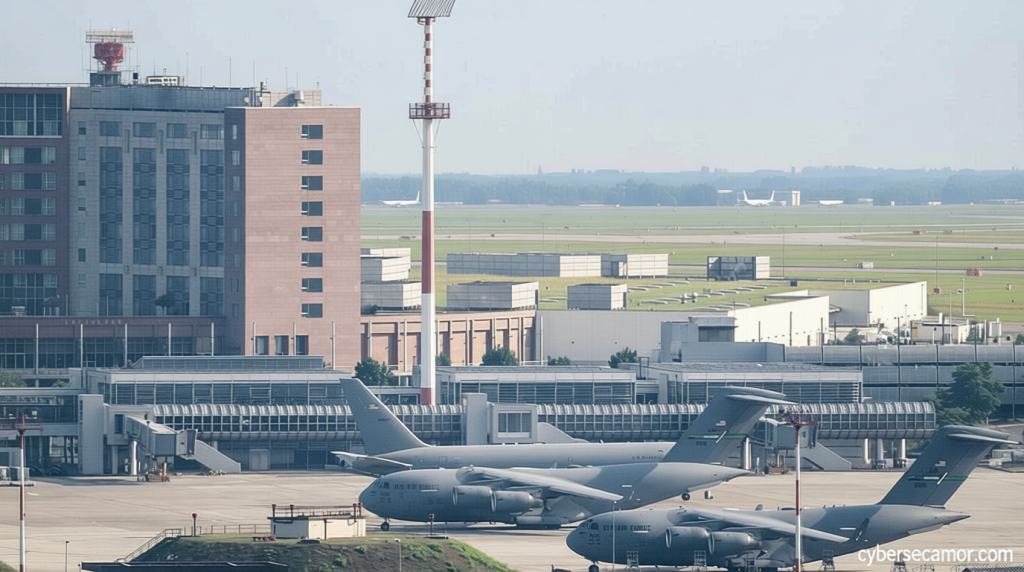
Can US law stop Trump – The United States is preparing to remove approximately 5,000 military personnel from Germany, as announced by the Pentagon. This move has sparked questions about whether it signals a larger trend of troop reductions across the continent. Currently, around 36,000 American troops are stationed in Germany, supporting critical infrastructure like Ramstein Air Base, a command headquarters, and a medical facility that has treated casualties from conflicts in Afghanistan and Iraq. These bases play a central role in NATO’s military operations, enabling coordinated training and joint missions with European allies.
A Strategic Shift Under Scrutiny
The planned reduction of 5,000 troops represents roughly 14% of the total force stationed in Germany. This number includes a brigade combat team and a long-range fires battalion that were initially slated for deployment under the Biden administration. Now, these units will be relocated, reducing the European presence of US forces. The decision follows a “comprehensive evaluation” of the military’s deployment strategy, as stated by Sean Parnell, a Pentagon spokesperson. He emphasized that the move aligns with current operational demands and conditions in the region.
“The decision follows a thorough review of the Department’s force posture in Europe and is in recognition of theatre requirements and conditions on the ground,” said Sean Parnell, Pentagon spokesperson.
While the Pentagon’s action is framed as a necessary adjustment, it has raised eyebrows among European officials and analysts. German Defence Minister Boris Pistorius acknowledged the reduction but called it “foreseeable,” suggesting that Europe must shoulder more responsibility for its security. Similarly, Foreign Minister Johann Wadephul and Chancellor Friedrich Merz expressed calm, with Merz noting in a Sunday television interview: “They are constantly redeploying their troop units worldwide, and we are affected by that too.”
The 2026 Legislation: A Potential Hurdle?
However, the move may face legal challenges under the National Defense Authorization Act for 2026. Section 1249 of this law restricts the Pentagon from making substantial cuts to European troop levels without meeting specific conditions. According to the act, the Department of Defense cannot reduce the number of forces in Europe below 76,000 for more than 45 days unless it certifies the cuts serve national security interests, consults NATO allies beforehand, and submits a detailed report to Congress. This provision introduces a waiting period, preventing immediate, large-scale withdrawals.
Despite these constraints, Trump’s administration has positioned itself to bypass them. The president’s recent proposal to withdraw troops builds on his 2020 campaign pledge to cut 9,500 forces from Germany. That plan was initially blocked by Congress but eventually paused by the Biden administration after taking office in 2021. Now, Trump claims his latest cuts will be even more extensive, declaring in a Florida press conference that his administration would “cut a lot further” than the 5,000 mentioned.
Logistical and Strategic Challenges
Analysts argue that the legal framework may not fully curb the withdrawal, given the complexity of military logistics. Liana Fix, a researcher at the Council on Foreign Relations, highlighted that US forces in Germany are deeply integrated into global command systems. Relocating them involves significant costs and could disrupt readiness, as their presence supports critical operations in the Middle East and beyond. “These troops are embedded in a network of global assets, so their absence might weaken Europe’s strategic position,” Fix noted.
While Germany has downplayed the immediate impact, some experts warn that the loss of 5,000 troops could have long-term consequences. The shift is also seen as part of a broader pattern of US military realignment, with officials prioritizing forces in the Indo-Pacific region. This approach may strain NATO’s ability to respond to crises in Eastern Europe, where Russian military activity has been a concern in recent years.
Testing the Legal Limits
Section 1249’s restrictions, though designed to stabilize troop levels, may be tested by Trump’s administration. The law allows for temporary reductions, but the 45-day limit could be a strategic workaround. If the Pentagon can justify the cuts as essential to national security, the legal barriers might be circumvented. However, critics argue that the act’s requirements are not easily met, particularly given the political climate and Trump’s tendency to challenge institutional constraints.
The 2026 legislation also mandates consultation with NATO allies before any major adjustments. This process could become a battleground for tensions between the US and its European partners. While Trump has framed the withdrawals as a way to reduce spending, German officials stress that the move reflects a shift in strategic priorities. “Europe must become more self-reliant in security matters,” Pistorius stated, echoing a broader sentiment that the US should share the burden of defense.
Broader Implications for NATO
The potential reduction of 5,000 troops is part of a larger discussion about NATO’s future. Analysts warn that even modest cuts could affect the alliance’s ability to deter aggression, particularly in regions like Eastern Europe. The loss of key units, such as the long-range fires battalion, might weaken the US’s capacity to project power across the continent. This could have ripple effects on joint exercises, intelligence sharing, and rapid response capabilities.
Additionally, critics point out that the withdrawal of Tomahawk missiles from German soil could pose a greater risk than troop numbers. These missiles are vital for targeting adversaries in the region, and their absence might create a strategic gap that Germany cannot fill alone. While the Pentagon has not explicitly mentioned removing missiles, the broader troop reduction suggests a possible reorientation of military assets toward other theatres.
A Test of US Commitment?
As the US continues to adjust its military posture, the question remains: how much flexibility does the law allow? The 2026 act’s provisions are intended to ensure stability, but Trump’s administration has demonstrated a willingness to push boundaries. Whether the law can effectively halt the withdrawals depends on the Pentagon’s ability to navigate political and operational challenges. For now, the move appears to be a calculated step in reshaping US military commitments, with legal constraints serving as both a shield and a potential obstacle.
With the strategic realignment underway, the focus will shift to how quickly the US can adapt its presence in Europe to new priorities. While the immediate impact may be manageable, the long-term consequences of reducing troop numbers could reshape the balance of power in the region. As Trump’s administration advances its plans, European allies will watch closely to see if the law can safeguard the continent’s security interests.

