
WHO probes human-to-human hantavirus spread after cruise ship deaths
WHO Probes Human-to-Human Hantavirus Spread After Cruise Ship Deaths
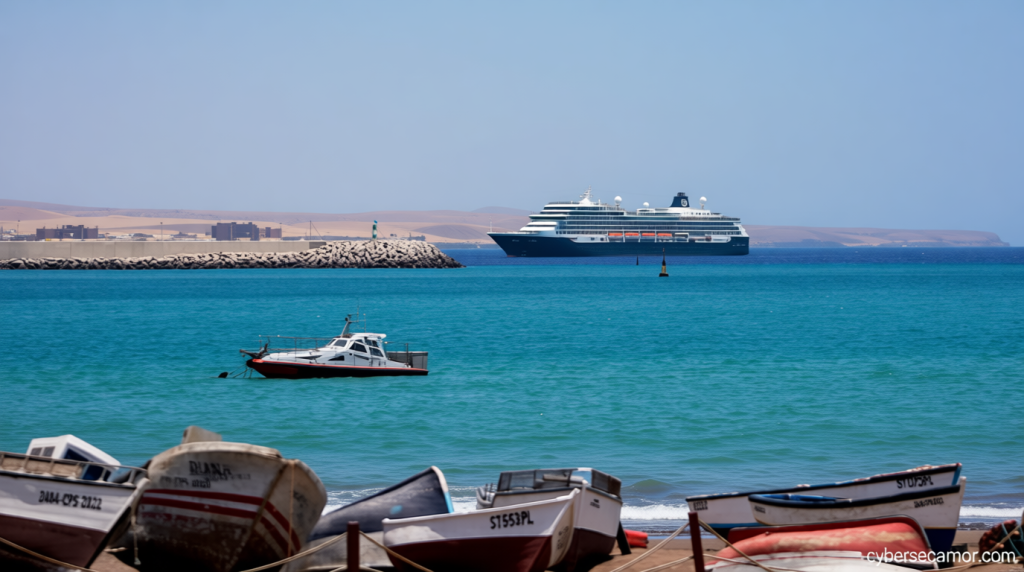
WHO probes human to human hantavirus – The World Health Organization (WHO) has confirmed seven instances of hantavirus infection on the m/v Hondius, a cruise ship currently anchored off the coast of Cabo Verde. Among these cases, three individuals have succumbed to the illness, one is in critical condition, and three others are experiencing mild symptoms. The exact source of the outbreak remains under scrutiny, though the WHO is examining the potential for transmission between passengers. This development has sparked an investigation into whether the virus can spread directly from person to person, a concern that has drawn attention from health authorities.
ECDC Assesses Low Risk for European Populations
The European Centre for Disease Prevention and Control (ECDC) has stated that the likelihood of a significant hantavirus outbreak in Europe is minimal. The agency emphasized that current preventive measures on the ship are effectively mitigating the risk. “The risk to the general population in Europe from this outbreak is considered very low, given that appropriate infection prevention and control measures are being implemented on board and that hantaviruses are not easily spread between people,” the ECDC noted in its analysis.
“We do believe that there may be some human-to-human transmission that’s happening among the really close contacts, the husband and wife, people who have shared cabins, et cetera,” said Maria Van Kerkhove, director of Epidemic and Pandemic Preparedness and Prevention at the WHO.
Spain’s Ministry of Health has joined the WHO in monitoring the situation, deploying a team of epidemiologists to board the vessel. These professionals will conduct health screenings and evaluate the potential for further transmission. The Ministry highlighted that this coordinated effort will guide decisions on repatriation and the ship’s subsequent route. “This will help inform decisions regarding the repatriation processes and the vessel’s route,” the Ministry stated in a post on X.
Hantavirus: A Rodent-Borne Threat
Hantaviruses are a group of viruses primarily transmitted through contact with rodents. The infection typically occurs when humans inhale airborne particles from dried rodent excrement, urine, or saliva. Close and prolonged exposure to infected rodents is the main pathway for the virus to spread to humans. However, direct person-to-person transmission is rare, with the exception of the Andes virus strain, which has been documented in South America. This particular variant can pass between individuals through close contact, according to the ECDC.
While the specific hantavirus responsible for the current outbreak has not been determined, health officials are investigating whether the spread occurred via environmental exposure or interpersonal contact. The ECDC noted that the mechanism of transmission is still unclear, underscoring the need for continued analysis. The agency also highlighted that most hantavirus strains do not transmit easily between humans, which reduces the risk for the broader European population.
Medical Evacuation Plan for Affected Individuals
As the situation develops, Oceanwide Expeditions, the operator of the m/v Hondius, has announced plans to medically evacuate two crew members displaying acute respiratory symptoms. One of these crew members is in severe condition, while the other has mild symptoms. The company also mentioned that a third individual, linked to a guest who died on May 2, will be included in the evacuation. “At this time, no other persons with symptoms have been identified,” the statement clarified.
“The atmosphere on board m/v Hondius remains calm, with passengers generally composed,” Oceanwide Expeditions said in a statement.
The cruise ship, which set sail with 149 passengers, is now in isolation. Local health authorities have prohibited disembarkation, ensuring that all individuals on board remain contained until the outbreak is better understood. This measure aims to prevent the virus from spreading to other regions. The company is working closely with Dutch officials to manage the repatriation of affected passengers, with the goal of ensuring safe and efficient medical care.
Symptoms and Progression of Hantavirus Pulmonary Syndrome
Hantavirus can lead to hantavirus pulmonary syndrome (HPS), a severe condition marked by flu-like symptoms such as headaches, dizziness, chills, fever, and muscle pain. In more advanced stages, patients may develop respiratory distress and hypotension, which can be life-threatening. The WHO reported that symptoms of HPS typically manifest two to four weeks after initial exposure, though they may appear as early as one week or as late as eight weeks post-infection. This variability in incubation time complicates early detection and response efforts.
The ECDC has reiterated that while the virus can spread between humans in certain circumstances, such as with the Andes strain, the majority of hantavirus cases are linked to rodent exposure. The current outbreak on the m/v Hondius appears to be an anomaly, as the primary mode of transmission is still under evaluation. The agency has urged continued vigilance but reassured that the risk to the European public remains low.
As the investigation unfolds, health officials are focusing on determining the origin of the infection. The WHO and ECDC are collaborating to analyze data and provide updated assessments. The cruise ship’s situation has become a focal point for understanding how hantavirus might behave in different environments, particularly in enclosed spaces with high human interaction. This case highlights the importance of rapid response measures and the need for further research into the virus’s transmission dynamics.
Meanwhile, Oceanwide Expeditions has stated that the ship’s itinerary may be adjusted based on the findings. The company is considering options such as sailing to Las Palmas or Tenerife in the Canary Islands. These decisions will depend on the evaluation of the epidemiologists and the WHO’s ongoing assessment. The event has also prompted discussions about the effectiveness of existing health protocols on cruise ships and the potential for similar outbreaks in the future.

