
Three people die on cruise ship in the Atlantic from suspected hantavirus infection
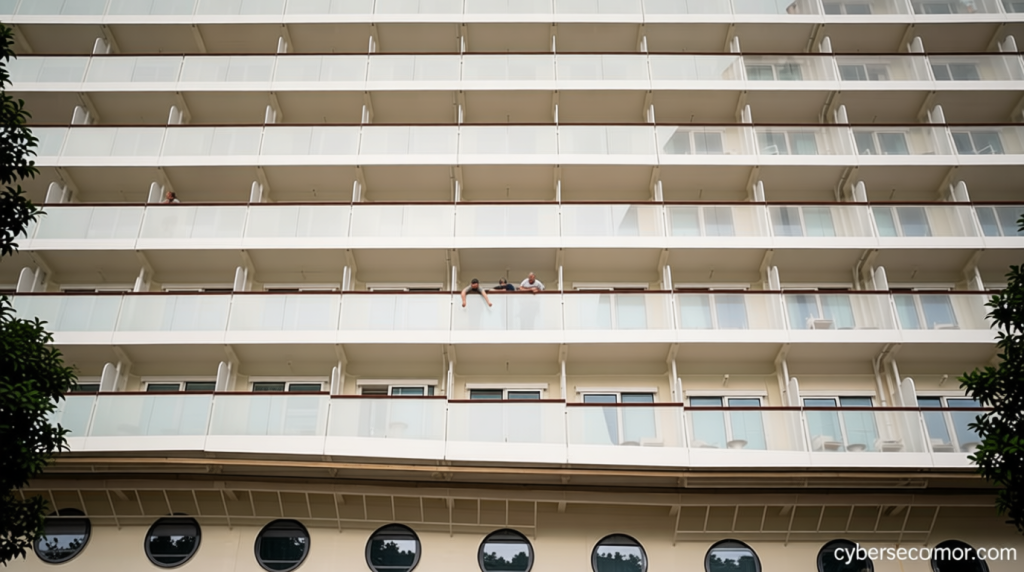
Three People Die on Cruise Ship in the Atlantic from Suspected Hantavirus Infection
Three people die on cruise ship – During a recent medical emergency on the MV Hondius, a Dutch-flagged cruise vessel, three individuals lost their lives to a suspected hantavirus outbreak. The ship, which is currently anchored off the western coast of Africa near Cape Verde, has been the subject of investigation as health authorities work to determine the source of the illness. Reports from South African officials indicate that the first victim, a 70-year-old Dutch passenger, succumbed to the disease upon arrival at St. Helena. His 69-year-old wife, who had been transported to a hospital in Johannesburg, also passed away. A third man, whose nationality has not been specified, is confirmed to have died as part of the outbreak. These fatalities have raised concerns about the spread of the hantavirus, which is typically associated with rodent-borne transmission.
As of the latest updates, a 69-year-old British citizen is receiving intensive care in a Johannesburg hospital. This individual has been diagnosed with hantavirus infection, marking the first confirmed case among the passengers. The ship’s medical team has been working closely with local health services to monitor the situation. In addition to the passengers, two crew members are also reported to be unwell, though the severity of their symptoms remains unclear. “Local health authorities have boarded the ship to examine the individuals who are showing symptoms,” a spokesperson from the cruise company stated, emphasizing the urgency of the investigation.
Understanding the Hantavirus Outbreak
Hantavirus, a family of viruses that primarily affects rodents, is known to cause hemorrhagic fever in humans. Transmission usually occurs through inhalation of dust contaminated with rodent urine or droppings, particularly in enclosed spaces. However, the current outbreak on the MV Hondius has sparked speculation about potential human-to-human spread. Australian virus researcher Paul Griffin, speaking to the Australian News Agency, noted the unusual nature of the situation. “What we are seeing on the boat is very suspicious; there may be some kind of transmission, some kind of onward transmission,” he said, highlighting the deviation from the virus’s typical behavior.
“It is very rare that hantavirus spreads from human to human,” Griffin added. He explained that while the virus can occasionally pass between people, such cases are uncommon and typically occur in close proximity, like in households or healthcare facilities. The cruise ship’s environment, with its confined spaces and shared facilities, might have created ideal conditions for this transmission to occur. “On a boat, the environment is suitable for human-to-human transmission of infections because many people are in the same area for long periods of time,” he said, suggesting the possibility of airborne spread within the vessel.
Griffin also attributed the unusual circumstances to the lingering effects of the COVID-19 pandemic, which had significantly improved hygiene practices globally. “Since the pandemic, people have become more vigilant about cleaning and sanitizing,” he observed. “That’s why this possible hantavirus outbreak is so strange.” The heightened awareness of infectious diseases might have masked early symptoms or delayed diagnosis, contributing to the spread. However, the lack of confirmed rodent exposure on the ship complicates the understanding of the outbreak’s origin.
The MV Hondius: A Journey Across the Atlantic
The MV Hondius embarked on its voyage from Argentina three weeks ago, following a route that included stops in Antarctica and the Falkland Islands before heading toward the Canary Islands. The ship’s itinerary was designed to offer a unique blend of polar exploration and tropical relaxation, attracting a diverse group of travelers. As of now, the vessel is docked off Cape Verde, an island nation in the central Atlantic, where it has been under observation since the outbreak was first reported. The cruise has a total of 150 passengers and 70 crew members, with no disembarkation allowed to prevent further spread of the virus.
Health officials are conducting a thorough examination of the ship to identify the source of the infection. This includes testing both passengers and crew for hantavirus, as well as analyzing environmental samples for signs of rodent contamination. The delay in diagnosing the illness could be due to the virus’s incubation period, which ranges from one to eight weeks. Some passengers may have developed symptoms after the initial outbreak was noticed, leading to a cascade of cases. The ship’s ventilation system and shared living quarters are believed to have played a role in the virus’s rapid dissemination, though this remains under investigation.
Global Perspective on Hantavirus
Griffin emphasized that hantavirus is not a new threat, but its recent appearance on a cruise ship has drawn international attention. According to his estimates, approximately 150,000 to 200,000 cases of hantavirus infection are identified worldwide each year. Most of these infections are linked to rodent exposure, particularly in regions where the virus is endemic. However, the current situation on the MV Hondius challenges the conventional understanding of the disease’s transmission patterns. “The fact that we’re seeing multiple cases in a confined space like a cruise ship is highly unusual,” he remarked, underscoring the need for further study.
The outbreak has also raised questions about the preparedness of medical teams on board. While the ship’s crew is trained to handle health emergencies, the rapid onset of symptoms among passengers suggests a possible underestimation of the virus’s virulence in this setting. Griffin noted that the virus’s ability to spread through aerosolized particles in enclosed environments could be a key factor. “In spaces where people are close together for extended periods, the risk of airborne transmission increases dramatically,” he explained. This has led to heightened concern about the potential for the virus to spread beyond the ship, especially as some passengers and crew may have been asymptomatic carriers.
Impact on the Cruise Industry
The incident has sent ripples through the cruise industry, which had largely recovered from the disruptions caused by the pandemic. With many passengers now on board, the outbreak has prompted a reevaluation of onboard health protocols. The MV Hondius’s situation highlights the vulnerabilities of long-haul cruises, where limited space and prolonged interactions can accelerate the spread of infectious diseases. Industry leaders are urging a review of ventilation systems and hygiene measures to prevent similar outbreaks in the future. “This case serves as a reminder that even in the most advanced travel environments, infectious diseases can still emerge unexpectedly,” Griffin said, calling for a coordinated global response to monitor and mitigate such risks.
As the investigation continues, the focus remains on identifying the source of the hantavirus and determining whether human-to-human transmission is a new development or an isolated incident. The deaths of the three passengers, along with the illness of two crew members and the critical condition of the British citizen, underscore the severity of the outbreak. Health authorities are working tirelessly to implement containment measures and provide support to those affected. The cruise ship, once a symbol of leisure and exploration, now stands as a case study in the unpredictable nature of infectious diseases and the importance of vigilance in public spaces.
With the MV Hondius still moored off Cape Verde and no passengers allowed to disembark, the world watches closely as the situation unfolds. The possibility of a larger outbreak has led to calls for increased monitoring of rodents on board and a reassessment of the ship’s sanitation standards. As Griffin noted, the combination of improved hygiene and the unique environment of a cruise ship has created an unusual scenario. “This is a wake-up call for the travel industry,” he said. “We need to be prepared for unexpected outbreaks, no matter where they occur.” The global community now awaits further insights into the hantavirus’s behavior, hoping to prevent a similar crisis on other vessels in the near future.

