Turmoil continues at ’60 Minutes’ as Scott Pelley slams Bari Weiss

Turmoil Continues at ’60 Minutes’ as Scott Pelley Slams Bari Weiss
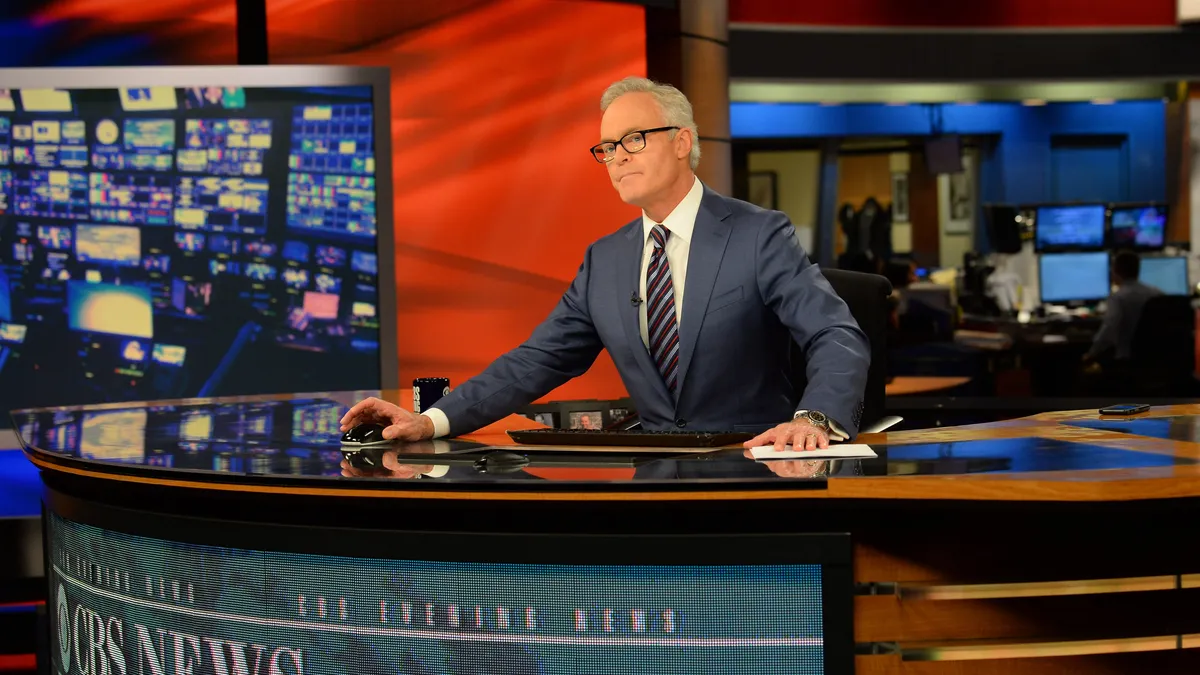
Cybersecarmor.com – Scott Pelley, a long-time correspondent for the CBS news program “60 Minutes,” has reportedly voiced strong disapproval of his new CBS leadership, with allegations of internal conflict emerging from a leaked staff meeting. The audio, obtained by The New York Times and shared with the public on June 1, reveals Pelley’s frustrations with the network’s Editor in Chief, Bari Weiss, and newly hired executive producer Nick Bilton. The meeting, which was initially intended to introduce Bilton, has sparked a wave of discussion about the direction of the iconic show and its evolving leadership structure.
Leadership Shift and Controversial Remarks
The New York Times documented the tense atmosphere of the meeting, in which Pelley took aim at Weiss for her leadership decisions. The veteran journalist, who has been with CBS for nearly 40 years and has anchored “60 Minutes” for over two decades, accused Weiss of “murdering” the news institution. According to the recording, Pelley’s remarks were sharp, with his criticism extending to Bilton, who was appointed to a key role in late May. The leak of the audio has intensified debates about the stability of “60 Minutes” under its current management.
“She’s murdering ’60 Minutes,’” Pelley, 68, interjected, the outlets reported. “She does not love this place. She was brought in to kill it, and she’s doing exactly that.”
The meeting, as described by the New York Times, was meant to welcome Bilton to the team, but it quickly devolved into a clash of perspectives. Pelley, known for his long tenure and dedication to investigative journalism, questioned Weiss’ commitment to the show’s legacy. His comments were not only directed at Weiss but also at Bilton, whose credentials were deemed insufficient by Pelley. The recording captures a moment of heated disagreement, highlighting the growing tension within the CBS newsroom.
Background of the Controversial Appointment
Nick Bilton, the newly hired executive producer, has a background primarily in print journalism. Before his CBS role, he was a technology columnist at The New York Times and a contributor to Vanity Fair, where he conducted in-depth investigations. However, his experience in broadcast journalism is limited, which has raised eyebrows among senior staff members. The leak of the audio has brought to light concerns that his lack of hands-on experience in live television could be a liability for “60 Minutes.”
During the meeting, Bilton reportedly expressed confidence in his ability to revitalize the show. He assured Pelley that his plan would be implemented over the next two weeks, stating, “That is my plan over the next two weeks,” he said, per the Times. “I’ll be meeting with everyone. I’m very excited to meet with everyone, yourself included.” This assurance, however, did little to quell Pelley’s skepticism, particularly regarding Weiss’ role in shaping the program’s future.
Political Firings and Industry Criticism
The recent mass layoffs at CBS, dubbed “Black Thursday” by industry insiders, have added to the controversy. These firings, which included seasoned figures like Tanya Simon, Draggan Mihailovich, and correspondents Sharyn Alfonsi and Cecilia Vega, have been described as politically motivated by some of the affected employees. Alfonsi and Vega, who have since exited the network, have pointed to CBS’ internal politics as a driving force behind their departures.
Pelley, in the leaked audio, interrogated Bilton about the fallout from these changes. He questioned whether the network’s leadership was prioritizing stability or taking bold, perhaps risky, steps. “She has no qualifications for her job,” Pelley remarked. “You have slender qualifications for this job. The changes that she’s made at the ‘Evening News’ have been catastrophic, so why should we expect that any of this is going to be any better?” His words underscore a deepening divide between the old guard and the new management at CBS.
Strategic Moves and Leadership Concerns
Bari Weiss, who was reportedly absent during the meeting, has made several strategic shifts within the network. One of her notable decisions was moving Tony Dokoupil from cohosting “CBS Mornings” with Gayle King to the anchor chair of “CBS Evening News.” Dokoupil’s tenure, which began on January 3, has been scrutinized for its performance relative to competitors. This reassignment has sparked questions about Weiss’ vision for the network and whether her focus on restructuring is aligning with the needs of “60 Minutes.”
Industry observers have noted that the changes at CBS have not only affected the “60 Minutes” team but also raised broader concerns about the network’s editorial direction. Former executive producer Bill Owens, who has since left the network, recently emphasized that CBS is no longer a place for partisans and ideologues, a sentiment that resonates with many within the newsroom. The leak of the audio has provided a glimpse into the internal strife, revealing a clash between traditional journalistic values and newer, more aggressive strategies.
The controversy surrounding Bari Weiss and Nick Bilton’s appointments has also sparked a discussion about the balance between innovation and experience. While Bilton’s background in technology and investigative journalism brings fresh perspectives, his limited broadcast experience has left some colleagues questioning his ability to lead the show effectively. Pelley’s remarks, in particular, highlight a fear that the network’s transition to a more digital-centric approach might dilute its credibility and investigative rigor.
As the network continues to navigate these changes, the fallout from the meeting serves as a reminder of the challenges faced by “60 Minutes” in maintaining its status as a premier news program. The leak has not only exposed the tensions within the team but also raised questions about the future of the show’s leadership and the decisions that will shape its trajectory. For now, the debate over Bari Weiss’ leadership and Nick Bilton’s suitability remains at the forefront of discussions within the CBS news industry.
Meanwhile, the public and media continue to monitor the situation closely. The leaked audio has become a focal point for critics and supporters alike, with some arguing that the changes are necessary for modernization and others claiming they signal a loss of the show’s foundational principles. As the dust settles, the next steps for “60 Minutes” will likely define its place in the evolving landscape of television news.