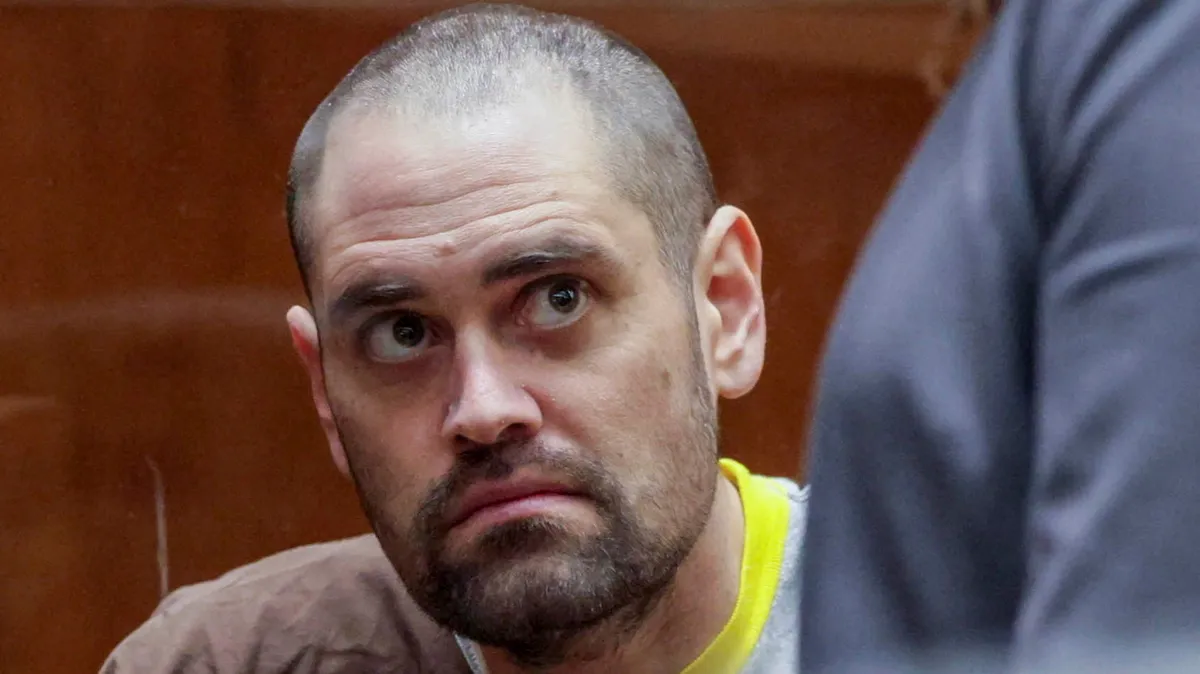
‘The Pitt’ actor opens up about ‘terrifying’ cancer diagnosis, surgery


The Pitt’ Actor Confronts a Life-Threatening HPV-Related Cancer Diagnosis
Cybersecarmor.com – Comedian and actor Moshe Kasher, known for his role in ‘The Pitt,’ shared a harrowing account of his recent cancer diagnosis, revealing how a seemingly minor health issue turned into a major medical challenge. The 47-year-old, who has built a career in stand-up and television, took to Instagram on June 21 to disclose that he discovered a lump on his tonsil while filming ‘The Comeback King’ with director Judd Apatow in Savannah, Georgia. The abnormality, linked to human papillomavirus (HPV), led to a Stage 1 cancer diagnosis—a finding that shook him to his core.
Kasher described the experience as “terrifying,” emphasizing the emotional and physical toll of the unexpected condition. His journey began with a routine discovery, which escalated into a full-blown medical ordeal. The comedian, who has authored a memoir titled ‘Subculture Vulture: A Memoir in Six Scenes,’ detailed how the diagnosis consumed his thoughts, blending moments of terror with introspection and resilience.
A Sudden Discovery During a Film Shoot
The revelation came during a filming session for ‘The Comeback King,’ where Kasher noticed a bump on his tonsil. This prompted a biopsy, which confirmed the presence of tonsil cancer caused by HPV. The early-stage diagnosis, while less immediately threatening than later stages, still posed significant challenges. Kasher recounted the procedure that followed, describing it as an intense experience that involved “yanking my jaw open” and “slitting my throat and dissecting my neck.”
“This has been the most terrifying and consciousness consuming experience of my life,” the author of ‘Subculture Vulture: A Memoir in Six Scenes’ wrote. “My life has been terror, meditation, tears, and medical planning (oh and 12-hour days on set pitching jokes).”
Despite the severity of the procedure, Kasher noted the physical aftermath, including a “hardcore neck scar” and a “swollen and bruised mouth.” He humorously added that the scar might deter potential street fighters, underscoring the dramatic impact of the surgery on his daily life.
Recovery and Future Outlook
Kasher’s recovery process is expected to span a lengthy summer, marked by pain and uncertainty. However, he remains optimistic about his prognosis, citing a high cure rate of around 95% for his condition. The next critical step will be determining whether radiation therapy is necessary, a decision to be made the following week. “I will be okay and back to being a cool dude ASAP,” he vowed, reflecting on his determination to overcome the ordeal.
The comedian also expressed gratitude for his life and the opportunity to spend Father’s Day with his son. “I’m so grateful I have a life that’s worth living,” he said, highlighting the emotional weight of his journey. Kasher’s commitment to recovery is evident, as he plans to return to his work and personal life with renewed focus.
The Role of HPV in Cancer Development
HPV, or human papillomavirus, is the most common sexually transmitted infection in the United States, according to the Centers for Disease Control and Prevention (CDC). Nearly everyone will contract HPV at some point in their lives, with over 42 million people currently infected. The virus spreads through intimate skin-to-skin contact, including vaginal, anal, or oral sex. While many infections resolve within two years, some persist and can lead to serious health complications, such as cancer.
“HPV is the most common sexually transmitted infection in the United States,” the CDC stated. “Nearly everyone will get HPV at some point in their lives.”
HPV-related cancers, particularly oropharyngeal cancer, are on the rise. This type of cancer affects areas like the back of the throat, the base of the tongue, and the tonsils. The CDC notes that it often takes years for an HPV infection to progress into cancer, with symptoms such as a persistent sore throat, earaches, and swollen lymph nodes appearing gradually. For some individuals, these signs may go unnoticed until the condition becomes advanced.
Kasher’s personal story underscores the importance of early detection and awareness. His diagnosis, while unique to him, is part of a broader trend in men’s health. A 2022 study published in the Expert Review of Anticancer Therapy journal predicted that oropharyngeal cancer would become one of the most common cancers in men by 2045, emphasizing the need for proactive measures like vaccination.
Understanding the HPV Vaccine
The HPV vaccine, which targets the specific strains of the virus linked to cancer, is available up to the age of 45. This makes it a crucial tool in preventing HPV-related illnesses, including oropharyngeal cancer. Kasher’s experience, coupled with his father’s battle with a different type of cancer, adds a personal dimension to the discussion about HPV’s role in health.
“The HPV vaccine protects against the types of HPV that can cause oropharyngeal cancers,” the CDC explained. “The oldest age someone is eligible to receive the vaccine is 45.”
Kasher’s account highlights how a single discovery can unravel a person’s life, leading to a complex medical journey. His openness about the process not only sheds light on his personal struggles but also raises awareness about HPV and its potential to cause life-altering diseases. As he navigates recovery, his story serves as a reminder of the importance of vigilance and early intervention in managing health risks.
Throughout his ordeal, Kasher’s humor and resilience have been evident. While his body recovered from the surgery, his mind remained engaged in the process of healing. His experience with “The Endless Honeymoon Podcast” further illustrates his ability to adapt, as he and his wife, Natasha Leggero, recorded an episode before his procedure. The segment provided insight into his diagnosis and how it impacted his perspective on life and work.
As Kasher continues his recovery, his story resonates with those facing similar challenges. His journey from diagnosis to surgery to the uncertain path ahead demonstrates the multifaceted nature of cancer treatment. By sharing his experience, Kasher not only provides a personal narrative but also contributes to the growing awareness of HPV’s role in health, encouraging others to take proactive steps in their own medical care.