
UAE still investigating mystery nuclear plant drone attack
UAE Still Investigating Mystery Nuclear Plant Drone Attack
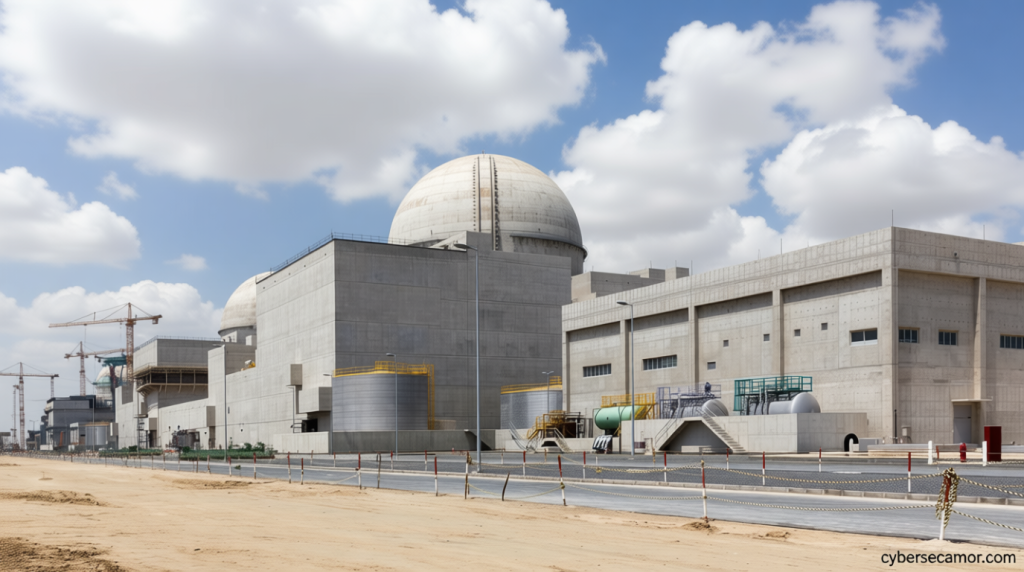
UAE still investigating mystery nuclear plant – Twenty-four hours had passed since the drone strike targeting the Barakah nuclear power plant when the United Arab Emirates confirmed it is examining the incident as a “sudden terrorist strike.” Officials highlighted that the drone originated from the western border region, entering the nation’s territory without prior warning. This development has raised questions about the possible source of the attack, as the UAE and its Gulf neighbors have not yet attributed it to Iran, despite ongoing tensions with the country. The absence of an explicit accusation against Iran may indicate a different geopolitical actor or a deliberate effort to avoid immediate blame.
Monitoring and Unspecified Threat
The UAE, alongside other Gulf states, has been actively monitoring airspaces for potential Iranian strikes, particularly in the region. However, the latest incident has not been linked to Tehran, leaving the origin of the attack uncertain. Analysts suggest this could signal a broader challenge to regional security dynamics, as the attack’s nature remains under scrutiny. The Emirates emphasized their vigilance in tracking aerial movements, yet the specific details of the drone’s journey and the entity behind it remain elusive.
Despite the initial chaos, the attack’s consequences were relatively contained. According to the UAE’s statement, the strike ignited a fire in an electrical generator within the plant’s perimeter but did not compromise radiation safety levels. No injuries were reported, and the facility’s operations continued without major disruptions. This outcome has been described as fortunate, though it underscores the importance of robust safety protocols in safeguarding nuclear infrastructure.
Steadfast Response and Leadership Statements
Speaking on Monday, Dr. Sultan Ahmed Al Jaber, the UAE’s Minister of Industry and Advanced Technology and CEO of ADNOC, reaffirmed the nation’s commitment to addressing the threat. “The attack on Barakah demonstrates the growing resolve of the Emirates to protect its security and sovereignty,” he asserted in a statement posted on X. Al Jaber framed the incident as a deliberate act of terror aimed at a peaceful energy initiative that powers homes, hospitals, and industries across the country.
“The targeting of Barakah is a terrorist attack on a project designed to the highest safety standards, which ensures clean energy for the people of the UAE,” Al Jaber said. “We will not tolerate any aggression against our progress or the rights of nations to develop sustainable power sources.”
The minister’s remarks emphasized the UAE’s determination to maintain its energy independence and regional stability. The Barakah plant, the first nuclear facility in the Gulf, is a critical component of the UAE’s strategy to diversify its energy portfolio and reduce reliance on fossil fuels. Its protection is not only a national priority but also a symbol of the region’s aspirations for technological advancement and environmental sustainability.
Regional Condemnation and Global Concerns
While the UAE’s response remains focused on internal investigations, the attack has drawn widespread condemnation from Gulf and Middle Eastern nations. Qatar’s foreign ministry expressed strong disapproval, stating that the strike represents “a clear violation of international law” and a “significant risk to regional security.” Other countries echoed similar sentiments, highlighting the need for accountability and cooperation in preventing such incidents.
Meanwhile, the World Nuclear Association, a global organization representing the nuclear industry, issued a statement on Monday confirming that the Barakah plant is operating safely. “We urge all parties involved in military actions near nuclear facilities to reflect on their obligations under the Geneva conventions,” the association noted. This call to action comes amid concerns over the potential for escalation in the region, where nuclear sites have become strategic targets.
“The IAEA plays a vital role in reporting these incidents and reminding nations of their international responsibilities,” the World Nuclear Association added. “We are confident that the plant’s safety measures will prevent any long-term damage.”
The incident has also prompted discussions about the balance between security and diplomacy. While the UAE has not publicly blamed Iran, it has reiterated its readiness to take military measures if necessary. This stance reflects a broader trend of assertiveness in the region, where nations are increasingly prioritizing self-defense over immediate alliances. The drone attack serves as a reminder of the evolving nature of threats, with non-state actors and state-sponsored groups potentially targeting critical infrastructure.
Looking Ahead: Implications for the Region
As the investigation continues, the focus remains on identifying the perpetrator and understanding the broader implications of the attack. The Barakah plant’s resilience to the strike is a testament to its design and operational protocols, but it also highlights the need for constant vigilance. The UAE’s leadership has stressed that the incident will not deter its commitment to energy development or its diplomatic engagements.
International observers are closely watching the outcome of the investigation, as it could influence future relations between the UAE and its neighbors. The attack may also serve as a catalyst for renewed security agreements or joint defense initiatives in the Gulf. For now, the UAE’s message is clear: it will not hesitate to defend its interests, whether through diplomacy, military action, or economic leverage.

