
Trump tightens US naval blockade as Iranian rial collapses to record low
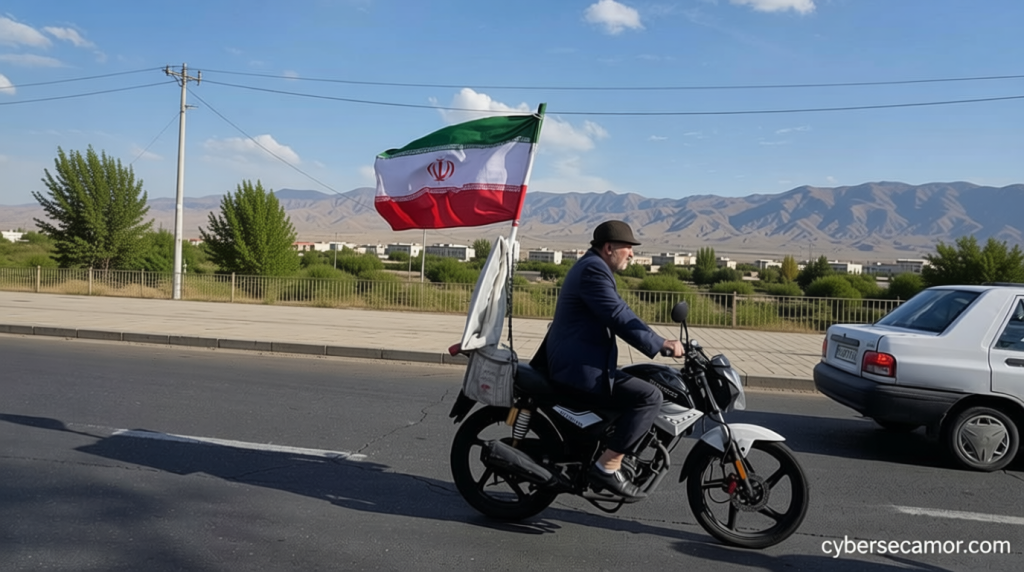
Trump Tightens US Naval Blockade as Iranian Rial Hits Record Low
Trump tightens US naval blockade as Iranian – The escalating conflict with Iran has shifted toward an economic showdown, with the Trump administration intensifying its maritime restrictions on Iranian ports. As the Iranian rial plummeted to an unprecedented level, trading at 1.8 million to the US dollar on Wednesday, the currency’s collapse has intensified concerns about the long-term effects of the US strategy. This sharp devaluation, which has rendered the rial nearly worthless, marks a critical turning point in the economic battle between the two nations, intensifying pressure on Iran’s struggling economy.
Strategic Economic Measures and Rial’s Historic Decline
President Trump reiterated his commitment to the naval blockade during a press briefing, stating that the measure could remain in place for “months if needed.” The administration’s stance reflects a broader effort to isolate Iran economically, leveraging maritime restrictions to cripple its oil exports and trade flows. The rial’s current exchange rate of 1.8 million to the dollar is a stark contrast to its stability before the war erupted in late February. This dramatic shift has not only eroded Iran’s currency value but also accelerated inflation, deepening the economic crisis.
The White House confirmed that Trump and senior officials convened with oil executives and business leaders this week to discuss the blockade’s continuation. The goal, according to the administration, is to apply maximum pressure on Iran’s regime while minimizing the impact on American consumers. This strategy has been praised as a calculated move to weaken Iran’s economy without causing significant hardship domestically. However, the toll on Iran’s financial system has been severe, with the rial’s decline drawing comparisons to a currency in freefall.
Blockade and Its Impact on Iranian Markets
During a meeting with US media outlet Axios, Trump defended the blockade, claiming it is “more effective than bombing.” He likened the economic pressure to “choking like a stuffed pig,” emphasizing that the measures would worsen for Iran. “They can’t have a nuclear weapon,” he added, framing the blockade as a necessary tool to prevent Iran from building its nuclear arsenal. This perspective aligns with the administration’s broader narrative of using economic warfare to achieve strategic objectives.
“President Trump asserted on Wednesday that the naval blockade of Iran’s ports would remain in place for as long as required to maximize economic pressure on the regime. He stated, ‘They can’t have a nuclear weapon,’ underscoring the administration’s belief that the measure is essential to Iran’s containment.”
The rial’s collapse has been rapid, with its value dropping from around 1.4 million to 1.6 million per dollar in just a week, followed by a further plunge to 1.8 million in recent days. This sudden depreciation has sent shockwaves through the economy, compounding the effects of sanctions and trade disruptions. The situation has also affected the euro, which recently traded at 2.1 million rials, highlighting the ripple effects of Iran’s economic turmoil on global markets.
Historical Context of the Rial’s Decline
When the conflict began on 28 February, the rial had maintained a relatively stable value, as markets were closed and trading activity halted. However, as businesses reopened, the combination of suppressed demand and tightened sanctions triggered a sharp downturn. The initial devaluation in the months following the war’s outbreak was a precursor to the current crisis, which has been exacerbated by ongoing restrictions on Iran’s oil exports and international trade.
The rial’s recent slide is part of a broader trend of economic instability in Iran. The country’s Statistical Centre reported that annual inflation reached 53.7% in the Farvardin month, the highest rate since 1943. Point-to-point inflation, which measures the cumulative effect of price increases over time, surged to 73.5%, meaning purchasing power has effectively been cut in half within a year. This has created a severe strain on households, with everyday goods becoming increasingly unaffordable.
Food Inflation and Social Consequences
The rise in inflation has particularly impacted staple food items, with prices soaring across the board. Unofficial reports from Iranian media indicate that chicken prices have risen by 75% in the past month alone, while beef and lamb saw a 68% increase. Dairy products also experienced a significant jump, with some items climbing by up to 50%. These sharp price hikes have worsened the living conditions of millions, especially in lower-income communities, where the cost of basic necessities has become a major burden.
Imported goods priced in dollars—such as medicine, machinery, and raw materials—are also experiencing steep price increases. The decline in the rial’s value has made these items more expensive, further straining the economy. The situation has been compounded by the government’s inability to stabilize the currency, with limited foreign currency reserves leaving it vulnerable to external shocks. This has led to a self-reinforcing cycle of inflation and economic hardship, deepening the recessionary conditions.
Long-Term Economic Projections and Regional Implications
If the blockade persists and the Iranian government fails to inject sufficient foreign currency into the economy, the rial is expected to continue its downward spiral. Analysts warn that the currency could breach new thresholds in the coming weeks, potentially reaching 2 million to the dollar. Such a development would further entrench Iran in recession, with absolute poverty levels rising as the population struggles to afford essential goods and services.
The economic warfare strategy has not only affected Iran’s internal markets but also its relationships with neighboring countries. The rial’s decline has made Iranian exports less competitive, reducing revenue from trade. At the same time, the country’s import costs have skyrocketed, compounding the challenges faced by its already strained economy. This has raised questions about the effectiveness of the blockade as a long-term solution, with some experts suggesting that it may be exacerbating the very crisis it aims to resolve.
Historical Protests and the Human Toll
The rial’s initial collapse in the months following the war’s outbreak was one of the factors that triggered nationwide protests in January. These demonstrations, which saw widespread participation, were met with a brutal response from security forces, resulting in mass arrests and killings. The current crisis, however, has not only intensified the economic strain but also reignited fears of social unrest. With inflation at historic levels and food prices soaring, the population is increasingly demanding reforms or concessions from the government.
As the blockade continues, the Iranian economy faces an uncertain future. The rial’s decline has already deepened the recession, and without significant intervention, the crisis could worsen. The administration’s confidence in the blockade’s effectiveness may be tested as the economic consequences become more pronounced. Meanwhile, the global market for oil and other goods remains volatile, with Iran’s economic struggles potentially affecting regional stability and international trade dynamics.
Conclusion: The Path Forward
The Trump administration’s economic approach to Iran has intensified, with the naval blockade serving as a cornerstone of its strategy. While the measure aims to cripple Iran’s economy and limit its ability to fund a nuclear program, it has also triggered a sharp decline in the rial’s value and a surge in inflation. The impact on everyday Iranians is undeniable, with food and essential goods becoming increasingly unaffordable. As the rial continues to fall, the question remains: will the blockade achieve its strategic goals, or will it deepen the economic and social crisis in Iran?

