
Trump open to shifting US troops from Germany to Poland
Trump Open to Shifting US Troops from Germany to Poland
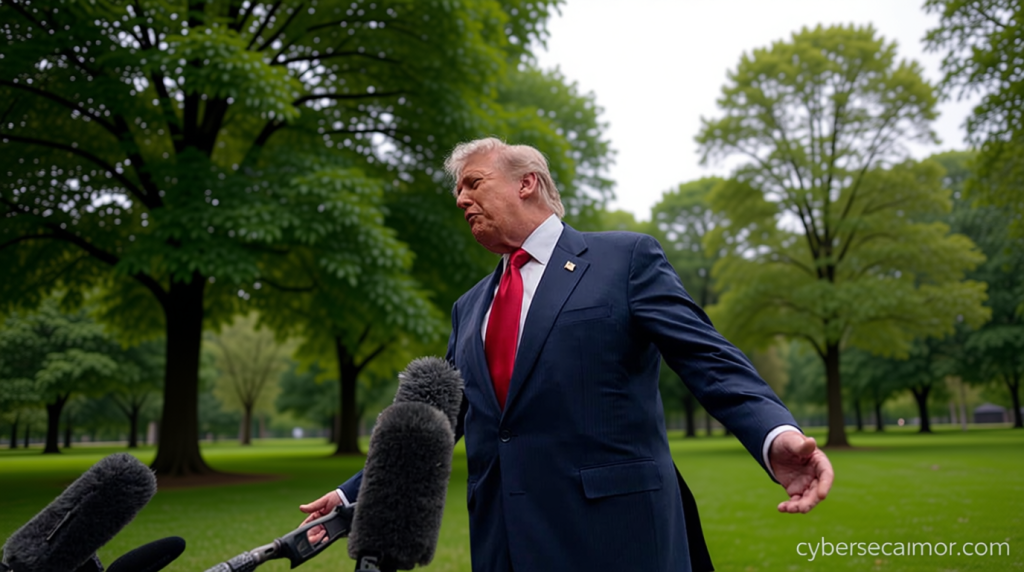
Trump open to shifting US troops – During a recent White House press encounter, US President Donald Trump revealed his contemplation of relocating some American troops being withdrawn from Germany to Poland. This proposal aligns with ongoing discussions about reshaping NATO’s military footprint in Central and Eastern Europe, a topic that has gained momentum as geopolitical dynamics evolve. While the decision remains fluid, Trump emphasized the potential for this move, citing favorable relations with Poland as a key factor.
Poland’s Strategic Appeal
When pressed on the matter, Trump stated that “it’s possible” to redirect forces to Poland. He highlighted the strong ties between the United States and the Polish government, noting his public support for President Karol Nawrocki during the 2020 election. “Poland would like that. We have excellent relations with Poland. I have excellent relations with President Nawrocki,” he said, adding that Nawrocki’s victory was significant despite initial doubts. “He’s a great fighter, a terrific guy, I like him a lot, so it’s possible… I might do it,” the president remarked, underscoring his openness to the idea.
“Poland would like that. We have excellent relations with Poland. I have excellent relations with President [Nawrocki]. Remember, I endorsed him, and he won – even though he was trailing badly, he still won. He’s a great fighter, a terrific guy, I like him a lot, so it’s possible… I might do it.”
According to media reports, the US administration aims to reduce its military presence in Germany by approximately 5,000 personnel over the next six to twelve months. However, Trump suggested the scale of the reduction could be even more substantial. At present, around 35,000 to 37,000 American service members are stationed in Germany, a figure that underscores the country’s role as a critical hub for NATO operations.
National Security Implications
Poland has expressed readiness to accommodate the withdrawn forces, emphasizing its existing military infrastructure. President Nawrocki, who has been a vocal advocate for US military presence in the region, stated that the country is prepared to host the troops and that its facilities are capable of supporting the transition. “We already have the infrastructure in place, and it is in the interests of Poland, Lithuania and the Baltic states for as many American troops as possible to be stationed here,” he said, reflecting a broader strategy to bolster security in Eastern Europe.
Geopolitical Context and US-German Tensions
The plan comes amid lingering tensions between the Trump administration and Berlin, a relationship strained by disagreements over defense spending. Since his first presidential term, Trump has criticized Germany for allocating insufficient funds to NATO, calling for a reduction in the number of US troops stationed there. In 2020, a similar proposal for partial withdrawal faced delays, but the current context has shifted. With the evolving security landscape, the decision to shift forces to Poland is seen as a way to maintain strategic leverage while addressing Germany’s fiscal priorities.
Poland’s geographic position in Central Europe makes it a strategic asset for NATO. By hosting more American troops, the country can enhance its ability to respond to threats from the east, particularly in light of Russia’s growing influence in the region. The move also reinforces the alliance’s commitment to collective defense, ensuring that the eastern flank remains fortified against potential aggression.
Expert Perspectives on the Shift
Analysts stress that the relocation of troops carries both military and political significance. Tomasz Szatkowski, a former Polish ambassador to NATO, argued that the location of US forces is as vital as their numbers. “The US forces in Germany have their military importance, and an even greater political and historical significance,” he noted in a recent Euronews interview. “From our point of view, the American military presence in Germany should remain, that is clear. But once this reduction is underway, we should be making a strong case for those troops to be moved to Poland. That is in our interest.”
Szatkowski’s comments reflect the broader consensus among Eastern European allies that concentrating US forces closer to Russia’s borders could enhance NATO’s deterrence capabilities. The idea is to create a more balanced military posture, ensuring that the alliance’s easternmost members are not left vulnerable. Poland’s willingness to host the troops signals a proactive approach to strengthening regional security, which has become a priority for the country in recent years.
The debate over troop placement also highlights the importance of political alliances in military strategy. Trump’s endorsement of Nawrocki in 2020 underscores his belief in the value of strong partnerships, even as he seeks to realign US commitments. The proposed shift could serve as a test of how much support Poland receives from Washington, particularly in light of its historical role as a frontline state during the Cold War.
As the US continues to assess its European military footprint, the decision to move troops to Poland represents a potential shift in how the country engages with NATO members. This move would not only address Berlin’s concerns about defense spending but also reinforce the strategic importance of Poland in the alliance’s broader security framework. With the next phase of troop reductions on the horizon, the focus is now on how these forces will be repositioned to maximize their impact on regional stability.
Long-Term Strategic Considerations
While the immediate benefits of relocating troops to Poland are clear, the long-term implications remain a subject of discussion. Some experts warn that the success of this plan depends on maintaining a stable relationship with Germany, which remains a key ally in Europe. Others argue that the shift is necessary to counterbalance Russian advances and ensure that NATO’s eastern flank remains robust.
Ultimately, the decision reflects a strategic recalibration of US military commitments. By moving forces to Poland, the administration seeks to address both domestic and international priorities. The move also highlights the adaptability of NATO, which must continuously adjust its structure to meet emerging challenges. As the withdrawal process unfolds, the focus will be on how effectively these changes can strengthen the alliance’s collective defense and geopolitical influence in the region.
With the potential for further troop reductions, the question of where these forces will be stationed will remain central to NATO’s future. The proposed shift to Poland not only responds to current security concerns but also sets a precedent for future military reallocations. This development could reshape the balance of power in Europe, reinforcing the United States’ commitment to its eastern allies while redefining its presence in the heart of the continent.

