
Qatar launches 2026 Year of Culture with Canada and Mexico through winter sports push
Qatar Launches 2026 Year of Culture with Canada and Mexico Through Winter Sports Push
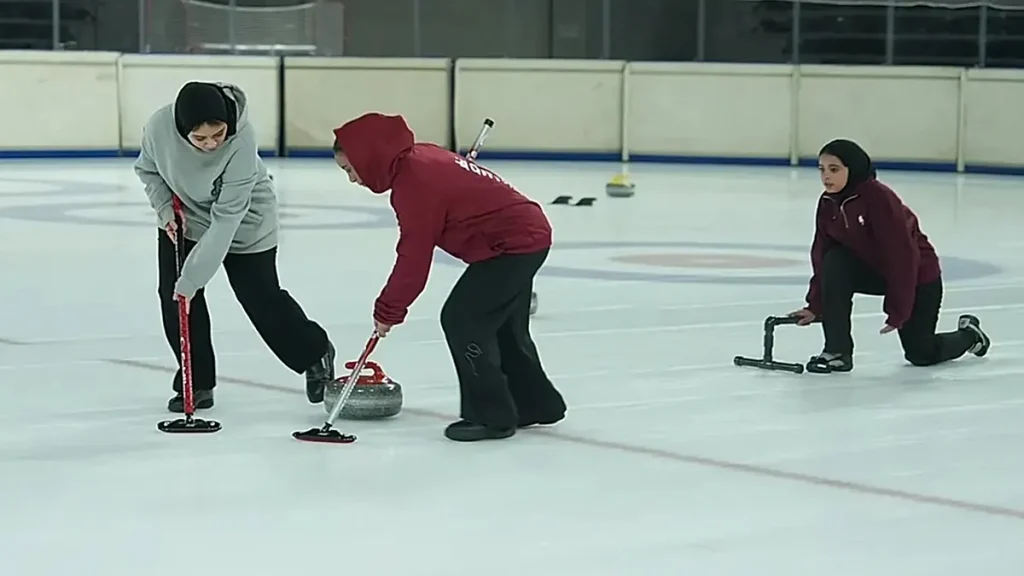
Qatar launches 2026 Year of Culture – Inside the Ali Bin Hamad Al Attiyah Arena in Doha, the atmosphere was brisk and vibrant, a far cry from the scorching heat that typically defines the Gulf state. Curling stones glided across the ice, children and adults alike took tentative steps on skates, and amateur athletes engaged in spirited ice hockey matches. This winter scene, though seemingly out of place in Qatar, was a deliberate effort to showcase the nation’s commitment to cultural exchange. The event marked the official kick-off of the Qatar-Canada-Mexico 2026 Year of Culture, an initiative that aims to bridge communities through shared experiences, even in unexpected settings.
Winter Sports as a Cultural Catalyst
The Winter Sports Development Programme, the first public event of the year-long initiative, was designed to foster unity by introducing Qataris to disciplines like curling, short track speed skating, and ice hockey. Organizers emphasized that the timing of the launch carries special significance, as it coincides with a period of global and local challenges. Karim Morcos, Canada’s ambassador to Qatar, highlighted the role of culture and sport in overcoming division. “We’ve had a rough couple of weeks, turbulent times,” he said, underscoring how shared activities can transcend borders. “Culture and sports is what brings humanity together. We bring down the barriers and show what it’s like to be human.”
For Morcos, the collaboration is also an opportunity to highlight Canada’s identity. “Canada is a very diverse place,” he explained. “Sport and culture are ways to integrate.” He expressed hope that Qataris would appreciate the nation’s multicultural fabric through these activities. Meanwhile, the event drew families eager to try new experiences. As participants engaged with winter sports, Qatar aimed to cultivate long-term interest in these disciplines, which are still relatively unfamiliar in the region.
Building Community Through Sport
Among the attendees was Besan Elwadia, whose personal journey reflects the initiative’s broader goals. At 16, she began figure skating and later joined Qatar’s inaugural women’s ice hockey team. “I helped recruit players and we slowly became a team,” she said, describing the grassroots effort that led to the sport’s growth. Now serving as an assistant coach for the Learn to Play Hockey programme, Elwadia is dedicated to nurturing the next generation of athletes. “We were able to build this community in Qatar,” she shared. “Parents from different countries coming together through one sport. We’ve grown to over 60 kids in the programme.”
Elwadia’s story exemplifies the initiative’s success in creating spaces where people from diverse backgrounds can connect. In a country where outdoor activities dominate, the allure of winter sports lies in their novelty and the indoor environment they offer. “Sometimes you just need a cool place and a sport to play indoors,” she noted, capturing the simple yet profound appeal of these activities. The program not only promotes physical engagement but also serves as a platform for social cohesion, a key objective of the Year of Culture.
A Broader Partnership Beyond Sport
While the event centered on winter sports, its impact extends beyond athletic participation. The initiative reflects a deeper cultural and diplomatic collaboration between Qatar and its partners. Morcos pointed to recent agreements between Canada and Qatar, including a 10-year plan to strengthen ties across political, security, and economic sectors. “It’s a new day, a new page in our relationship,” he said, illustrating the program’s role in advancing bilateral cooperation. The partnership with Canada, in particular, is seen as a chance to learn from the nation’s experience hosting major global events.
Morcos referenced Canada’s role in the 2026 FIFA World Cup, which the country will co-host with Qatar. “Qatar had a very successful experience, so we’re looking to them for lessons,” he said, highlighting the mutual exchange of knowledge and expertise. The cultural initiative also includes Mexico, the third partner in this year’s programme. Guillermo Ordorica, Mexico’s ambassador to Qatar, emphasized the importance of fostering friendship and collaboration. “We’re three friendly countries,” he stated. “Fostering friendship, cooperation, and collaboration is at the heart of our efforts.”
Ordorica added that the 2022 FIFA World Cup had already established a strong connection between Mexico and Qatar. “Qatar became very famous in my country,” he said. “We are certain we will reinforce that very positive view of Qatar as a country with which we share many values.” This mutual admiration, he suggested, could be further solidified through cultural programs that highlight shared interests and traditions.
Expanding the Scope of Cultural Exchange
The Year of Culture initiative pairs Qatar with partner nations annually, broadening its focus beyond traditional arts to include sport, education, and community development. By integrating winter sports into this framework, the program challenges stereotypes and introduces Qatar as a hub for diverse cultural experiences. The Winter Sports Development Programme will continue throughout 2026, featuring monthly events aimed at encouraging participation and creating pathways to competitive levels.
These events are part of a larger strategy to position Qatar as a global player in cultural diplomacy. The government has invested in infrastructure and training to ensure the sustainability of winter sports, recognizing their potential to become a year-round activity. Morcos reiterated the significance of the collaboration, stating that it represents a shift in Qatar’s international image. “This is not just about sport,” he said. “It’s about building a shared future through cultural exchange.”
As the program progresses, organizers hope to inspire a lasting interest in winter sports among Qatar’s youth. The introduction of curling and ice hockey has already sparked curiosity, with many participants expressing enthusiasm for learning more. Elwadia, now an advocate for the sport, believes the initiative will leave a lasting impact. “We’ve created something that’s not only about competition but also about unity,” she said. “It’s a way for people to come together and celebrate what it means to be part of a community.”
Looking ahead, the Year of Culture aims to cultivate a cultural ecosystem that bridges nations. While the winter sports component is a standout feature, it complements other efforts to deepen ties with Canada and Mexico. The program’s success could pave the way for future collaborations, reinforcing Qatar’s role as a cultural and sporting ambassador on the world stage. As the first event of the year demonstrates, winter sports may be more than a temporary attraction—they could become a permanent fixture in Qatar’s evolving identity.
“Culture and sports is what brings humanity together. We bring down the barriers and show what it’s like to be human.” — Karim Morcos, Canada’s ambassador to Qatar
With the 2026 FIFA World Cup approaching, the cultural initiative serves as a prelude to larger international events. The program’s emphasis on community-building and shared experiences aligns with Qatar’s vision of being a modern, inclusive nation. As Morcos noted, the collaboration between Qatar and its partners is a testament to the power of sport to unite people across borders. “This is a new chapter in our relationship,” he said, adding that the Year of Culture is a stepping stone toward even greater global engagement.
In the months to come, the Winter Sports Development Programme will continue to grow, offering more opportunities for Qataris to engage with these activities. The program’s expansion into education and community initiatives suggests a long-term commitment to making winter sports accessible and meaningful. While the initial event showcased the potential of this endeavor, the true test will be in sustaining momentum and creating a lasting legacy. For now, the ice rink in Doha stands as a symbol of Qatar’s ambition to redefine its cultural narrative through sport.

