
Libya launches major security operation in Zawiya after clashes near key oil refinery
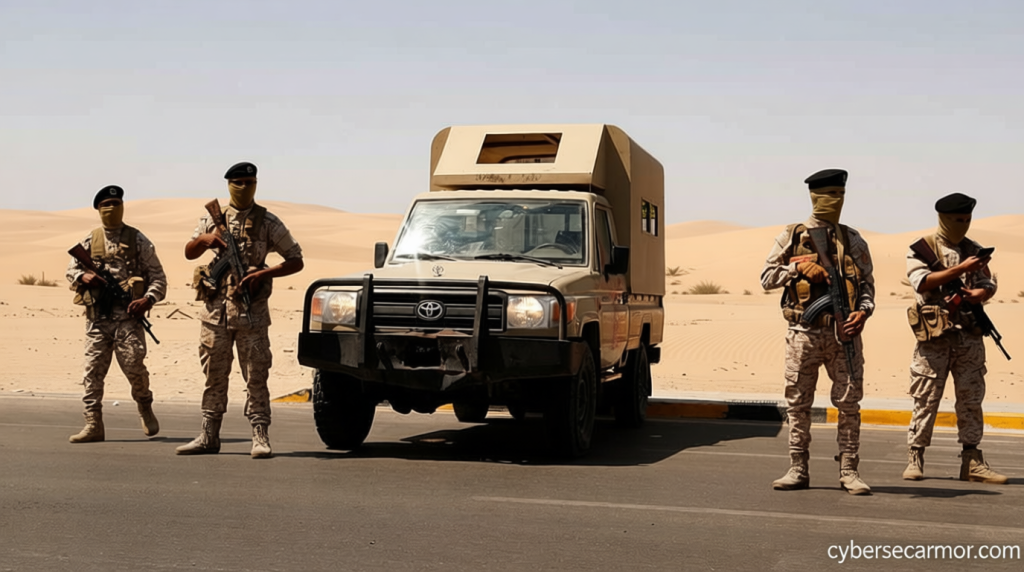
Major Security Operation in Zawiya Commences Following Armed Clashes
Libya launches major security operation in Zawiya – On Friday, security forces in the western Libyan city of Zawiya began a large-scale operation to restore order after intense clashes between rival armed groups. The conflict, which erupted in several parts of the city, was particularly concentrated around the Zawiya oil complex and refinery—critical infrastructure for the country’s energy sector. The operation, coordinated by the Zawiya Security Directorate and the Joint Security Room, was launched under warrants issued by the prosecutor’s office, targeting individuals involved in activities that jeopardize public safety and social stability.
Clashes and Their Impact on Civilian Life
Residents of Zawiya reported that fighting intensified in the early hours of Friday, with heavy weapons firing in residential neighborhoods and near the refinery. Gunfire and explosions were heard intermittently, creating a climate of fear and uncertainty. Local observers noted that the conflict began before dawn and continued sporadically, with the refinery area serving as a central point of contention. The Emergency Medicine and Support Centre issued urgent warnings, advising citizens to remain indoors and exercise caution when venturing out.
“Citizens are urged to stay at home and go out only when absolutely necessary to avoid harm from ongoing hostilities,” the centre stated in a public appeal.
Refinery Shutdown as a Precautionary Measure
In response to the escalating violence, the National Oil Corporation (NOC) and the Zawiya Oil Refining Company announced a temporary halt to refinery operations. This decision followed shells landing in key areas of the oil complex, prompting emergency protocols to protect workers, infrastructure, and the environment. The NOC confirmed that its teams had evacuated personnel from the oil institute, excluding fire-fighting crews, while maintaining monitoring of the facility’s status.
The Zawiya Oil Refining Company emphasized that the shells struck sensitive operational zones, necessitating a full shutdown and the removal of tankers from the port. Technical teams were deployed to mitigate further damage and ensure the facility’s systems remain under control. Despite the interruption, fuel supplies to Tripoli and surrounding regions remained unaffected, underscoring the resilience of Libya’s energy distribution networks.
Political Context and Regional Significance
Zawiya, a vital hub in western Libya, plays a central role in the country’s oil production and commercial activities. The city is not only home to one of Libya’s largest refineries but also serves as a critical transit point for goods and migrants heading toward Europe. Its strategic location ties it to national supply chains, making it a focal point for both economic and security concerns.
Local sources suggest that the clashes involve armed factions competing for control over the refinery’s proximity and surrounding districts. These groups, with varying degrees of influence, have long been engaged in sporadic confrontations that disrupt daily life. The recent escalation has led to the closure of major roads, including the coastal highway linking Tripoli to the Tunisian border, further complicating the region’s already fragile security environment.
Historical Stability and Current Challenges
Before the 2011 revolution, Libya’s oil sector operated under a relatively stable framework, with production levels peaking at around 1.6 million barrels per day. This output enabled the nation to hold a prominent position in the global energy market. However, the political fragmentation since the revolution has destabilized the sector, with ongoing conflict hindering consistent operations.
Security forces in Zawiya now face the dual challenge of quelling immediate threats and addressing long-term instability. The operation aims to dismantle criminal networks linked to violence, including those engaged in extortion, drug trafficking, and people smuggling. Yet, without clear identification of the factions involved, the effectiveness of the mission remains uncertain. The city’s strategic importance has made it a battleground for competing interests, with clashes often spilling into nearby districts and disrupting essential services.
Broader Implications for Libya’s Governance
The situation in Zawiya reflects the broader challenges facing Libya’s governance structure. Since 2011, the country has been divided between two rival authorities: the internationally recognized Government of National Unity in Tripoli and a parallel government in the east supported by the parliament. Despite international efforts to hold elections and unify institutions, political deadlock persists, fueling regional tensions and security threats.
The refinery’s shutdown highlights the vulnerability of Libya’s energy infrastructure to conflict. While the NOC and Zawiya Oil Refining Company have taken steps to safeguard operations, the incident underscores the need for coordinated efforts between local and national entities. The ability to maintain production during crises will be crucial in ensuring the country’s economic stability, even as security forces work to neutralize immediate threats.
Analysts warn that the persistence of armed factions in Zawiya could prolong instability in the region. The city’s economic activity, which includes trade and commercial hubs, may suffer further disruptions if the security operation does not quickly restore order. Meanwhile, the National Oil Corporation’s contingency measures demonstrate a commitment to minimizing environmental and logistical fallout from the conflict. However, the long-term resolution of Zawiya’s security crisis will depend on the broader political reconciliation that has yet to materialize.
As the operation unfolds, residents and businesses in Zawiya remain on edge, awaiting clarity on the conflict’s resolution. The city’s role as a gateway for both energy and migration makes it a symbolic and practical target for competing forces. With the potential for further violence, the stakes for Libya’s future appear higher than ever, as security forces and political actors strive to stabilize the nation’s fractured landscape.
Local reports indicate that the violence is not a new development but a continuation of long-standing rivalries. The Zawiya oil complex has been a contested site in previous conflicts, and its location near residential areas increases the risk of collateral damage. The security operation represents a decisive step to address these threats, but its success will hinge on the ability to isolate combatants and protect civilian populations. As the city’s fate hangs in the balance, the broader implications for Libya’s energy sector and political stability remain closely watched.

