
Judo: Heavyweights close Dushanbe in style
Judo: Heavyweights Close Dushanbe in Style
Judo – The concluding day of the Dushanbe Grand Slam in Tajikistan brought a thrilling display of judo as fans gathered in large numbers at the Kasri Tennis Center to witness the final rounds. The atmosphere was electric, with a palpable sense of anticipation as the weight classes culminated in dramatic showdowns that left spectators in awe. The event not only showcased elite talent but also reaffirmed Tajikistan’s growing prominence in the world of judo, as its top athletes secured three gold medals to cap off the competition.
Titles Decided in Tense Finals
Among the standout moments of the day was the -90 kg division, where Mansur Lorsanov faced Olympic medallist Theodoros Tselidis in a closely contested match. The bout, marked by rapid exchanges and tactical precision, reached a golden score tiebreaker. The decision ultimately favored Lorsanov, whose aggressive approach and relentless pressure were deemed more effective by the judges. This victory marked a significant milestone for the Tajikistan Judo Federation, as the president, Mr. Ismoil Mahmadzoir, presented the medals to the athletes, underscoring the country’s commitment to fostering competitive excellence.
Meanwhile, the -78 kg category delivered a performance that encapsulated the spirit of the sport. UAE’s Yelyzaveta Lytvynenko emerged victorious, showcasing a blend of experience and technical mastery. Her decisive O-goshi throw in the final moments secured the win, earning her the first Grand Slam gold of her career. The 22-year-old’s triumph was celebrated not only for its technical brilliance but also for the symbolic representation of rising talent from the region. She received her medal from Ms. Shabnam Rahimzoda, the First Deputy Chair of the Committee for Youth and Sports under the Tajikistan government, who praised her as a beacon of inspiration for future competitors.
Breaking Records and Defining Moments
At the -100 kg weight class, Fuchun Huang made history by becoming the first Chinese male judoka to claim a world tour gold medal in nearly a decade. His opponent, Adam Sangariev, was a formidable challenge, but Huang’s precision and timing shone through as he executed a flawless O-uchi-gari to secure the win. This achievement was a testament to his dedication and the growing strength of Chinese judo on the international stage. The medal was awarded by Neil Adams, a World Champion and Double Silver Olympic Medallist, who commended Huang’s ability to maintain composure under pressure.
In the +78 kg division, Asya Tavano faced Jinesinuer Ayiman in a battle that saw the Italian judoka deliver a textbook O-uchi-gari to retain her title from the previous year. The move, executed with elegance and power, highlighted the blend of skill and strategy that defines judo at its highest level. The victory was celebrated by the Minister of Culture of the Republic of Tajikistan, Mrs. Matlubakhon Satoriyon, who noted the importance of such events in promoting the sport and its cultural impact.
Global Recognition and Local Pride
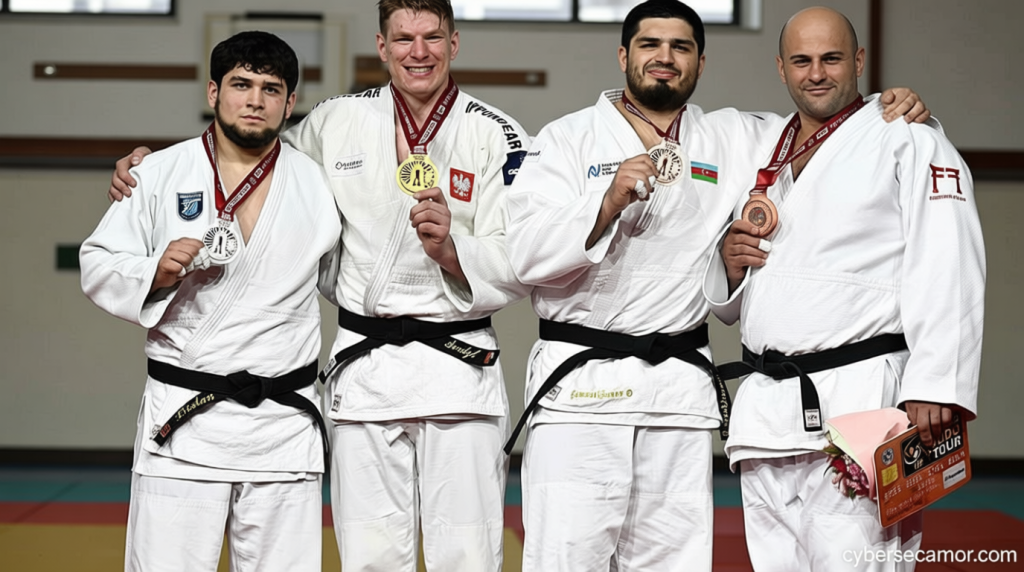
The +100 kg final saw Jakub Sordyl, the 22-year-old Polish judoka, clinch the last gold of the tournament. His victory came after a well-timed turn and hold that left Bislan Katamardevov with no escape. This win marked Sordyl’s first world tour gold and added to Poland’s reputation as a powerhouse in judo. The medal was presented by Mrs. Louisa Agius Galea, a member of the International Judo Federation’s Executive Committee, who highlighted the significance of the event in connecting athletes from diverse nations.
Throughout the day, the competition was characterized by high stakes and emotional highs. From the intense back-and-forth of the -90 kg final to the decisive moves in the +100 kg category, each match told a story of resilience, skill, and passion. The crowd’s reactions, ranging from roaring cheers to hushed moments of admiration, reflected the deep engagement with the sport. For the host nation, the success of their top stars was a source of immense pride, as Tajikistan’s judo community celebrated its achievements on the global stage.
Legacy and Future Prospects
The Dushanbe Grand Slam has become a recurring highlight for the judo world, with each edition drawing record crowds and delivering unforgettable performances. This year’s tournament was no exception, as the combination of local talent and international representation created a vibrant tapestry of competition. The three gold medals awarded to Tajikistan’s athletes underscored the country’s ability to produce world-class performers, a trend that is expected to continue in future events.
As the final whistle blew and the medals were handed out, it was clear that the Dushanbe Grand Slam had once again proven its value as a platform for showcasing judo’s global appeal. The athletes’ dedication, the officials’ support, and the fans’ enthusiasm all contributed to making the event a memorable success. For the judo family, this day was a reminder of the sport’s ability to unite people through competition, culture, and shared passion. The legacy of this tournament will undoubtedly inspire the next generation of judokas, both in Tajikistan and beyond.
The closing ceremony was a fitting tribute to the athletes who had poured their heart and soul into the competition. As the winners stepped onto the podium, their victories were not just personal milestones but also a collective celebration of the sport’s enduring power. The Dushanbe Grand Slam has once again demonstrated its capacity to elevate judo to new heights, leaving fans with memories that will last a lifetime.
With the tournament drawing to a close, the focus now shifts to the next challenges awaiting the champions. Each victory represents a new chapter in their careers, and the global judo community will undoubtedly watch closely for their future performances. The success of this edition in Tajikistan has set a high standard, ensuring that the Grand Slam continues to be a cornerstone of the sport’s international calendar.

