
Iran war impact on shipping affecting refugee aid with freight rates soaring, UNHCR says
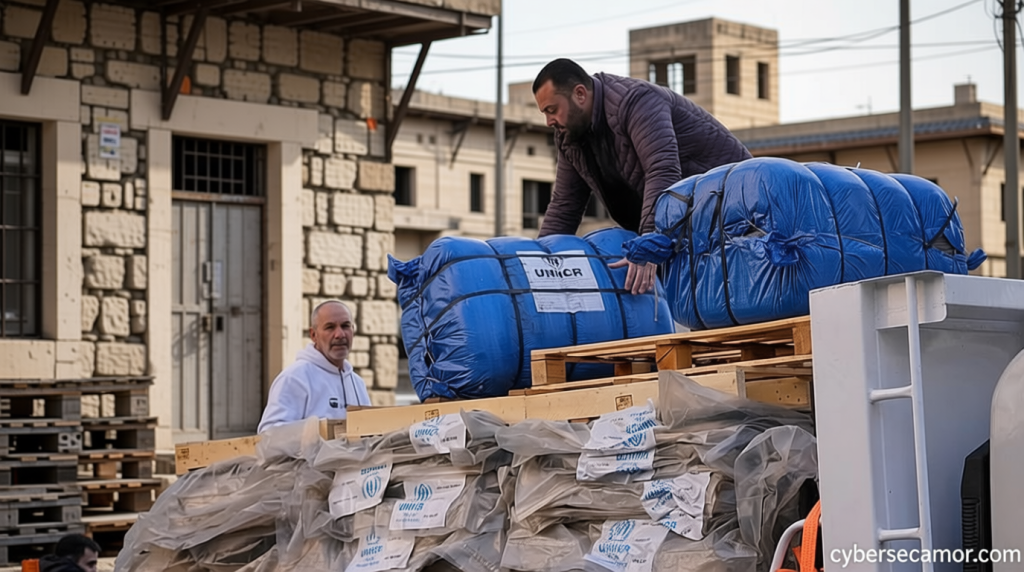
Iran War’s Disruption to Shipping Threatens Refugee Aid, UNHCR Warns
Iran war impact on shipping affecting – The United Nations High Commissioner for Refugees (UNHCR) has raised concerns about the growing challenges faced by humanitarian efforts as the Iran war intensifies. According to the agency, rising freight rates are significantly impacting the ability to deliver essential supplies to refugees across the Middle East and beyond, particularly in Africa. The crisis has not only increased transportation costs but also created logistical bottlenecks, forcing the organization to adapt its strategies to maintain aid operations.
Freight Rate Increases and Operational Strain
Recent data from the UNHCR reveals that shipping costs from its three primary supply countries—India, Pakistan, and China—have risen by nearly 18% since the war began. This surge in expenses, combined with delays at ports and increased congestion, is straining the agency’s ability to respond swiftly to humanitarian needs. “Every additional dollar spent on fuel and higher insurance premiums due to war risks represents a dollar less available for direct aid on the ground,” stated Carlotta Wolf, the UNHCR spokeswoman, during a press conference in Geneva.
The agency’s capacity to meet its transportation requirements has also declined. Previously, transport providers could fulfill 97% of UNHCR’s requests, but this has dropped to just 77% as the war complicates logistics. To mitigate these issues, the UNHCR has begun rerouting sea cargo through alternative ports and shifting to land-based corridors. For example, shipments are now traveling via Jordan’s Aqaba Red Sea port and overland routes from Dubai across the Arabian Peninsula to Turkey. These changes aim to bypass the heavily impacted Strait of Hormuz, which has become a critical chokepoint for global trade.
Escalating Costs and Regional Ripple Effects
Wolf highlighted that the financial burden of the war is especially acute in Africa. In Kenya, where one of the UNHCR’s seven global stockpiles is located, fuel price hikes have caused delays and reduced the availability of trucks for deliveries to Ethiopia, the Democratic Republic of the Congo, and South Sudan. In Sudan, the cost of delivering aid has doubled in recent months, largely due to the rerouting of supplies around the Cape of Good Hope. This detour has added up to 25 days to delivery times, stretching resources and increasing operational strain.
“The Middle East crisis has generated far-reaching ripple effects beyond the region, with growing consequences for global humanitarian supply chains,” Wolf explained. The war has disrupted critical maritime routes, leading to higher expenses and slower response times. The UNHCR’s spokesperson emphasized that these disruptions are not just temporary but are likely to persist, creating long-term challenges for aid distribution. “If instability continues, rising costs, delays, and limited transport capacity will further constrain humanitarian operations,” she added.
Strategic Rerouting Amid Supply Chain Challenges
To address the congestion and increased risk at key shipping lanes, the UNHCR has implemented alternative routes. While the agency has managed to maintain its supply operations, the process has required significant adjustments. For instance, cargo previously shipped through the Strait of Hormuz is now redirected via the Red Sea port of Aqaba, which offers a more stable passage but adds distance and complexity to the supply chain. Land corridors, including truck routes from Dubai through the Arabian Peninsula, have also been utilized to bypass maritime bottlenecks.
These rerouting efforts have had tangible impacts. Wolf noted that transport costs for relief items from the UNHCR’s Dubai stockpile to operations in Sudan and Chad have more than doubled, increasing from approximately $927,000 to $1.87 million. Such dramatic cost hikes are forcing the agency to prioritize shipments and potentially reduce the volume of aid reaching certain regions. “The financial strain is mounting as we seek to maintain the same level of support for displaced populations,” Wolf said, underscoring the urgency of the situation.
Global Trade and Humanitarian Impacts
The war’s effects extend beyond refugee aid to the broader global economy. The Strait of Hormuz, a vital artery for oil and gas exports, has seen severe traffic restrictions, disrupting supply chains that rely on these resources. The United States has also imposed a counterblockade on Iranian ports, further complicating trade and increasing the cost of importing essential goods. These measures have created a dual challenge: not only are freight costs rising, but the availability of critical supplies such as fertilizers is also being affected.
“The situation is particularly worrisome in Africa,” Wolf said. She cited the example of Kenya, where fuel price surges have directly impacted aid distribution. The UNHCR has reported that truck availability has decreased, causing delays in delivering supplies to vulnerable populations. This trend is compounded by the need to reroute shipments, which has increased travel times and operational costs. “We are seeing a noticeable impact on the efficiency of our logistics network,” Wolf noted, highlighting the need for innovative solutions to sustain aid efforts.
Long-Term Financial Concerns
Despite current stockpiles being sufficient, the UNHCR is worried about the long-term financial implications of maintaining operations. The agency requires $8.5 billion for its annual activities, but only 23% of this funding has been secured so far. With the cost of restocking and delivering aid expected to rise, the financial gap could widen, putting additional pressure on already strained budgets. Wolf stressed that the organization is closely monitoring these developments and is working to secure more funding to ensure continuity.
The crisis has also underscored the vulnerability of global humanitarian networks to geopolitical instability. As the war continues, the UNHCR is calling for increased international cooperation to stabilize supply chains and reduce the burden on affected regions. “Prolonged disruption risks reducing the scale and speed at which assistance can reach people in need, with serious consequences for millions of refugees and displaced individuals worldwide,” Wolf warned. Her comments reflect a broader concern that the war’s impact on shipping could lead to a humanitarian crisis of its own, exacerbating existing challenges in refugee support.
As the situation evolves, the UNHCR is urging stakeholders to recognize the interconnectedness of global trade and humanitarian aid. The agency’s ability to respond effectively to the needs of displaced populations hinges on the stability of these supply chains. With the war ongoing and fuel prices rising, the UNHCR faces a daunting task in ensuring that aid reaches those who need it most, even as costs continue to climb.
The UNHCR’s spokesperson also highlighted the importance of maintaining a diverse network of transport routes. While sea and land corridors have been adjusted, the agency remains dependent on these channels to deliver emergency supplies. “We are doing everything possible to adapt, but the situation is testing our limits,” Wolf said. Her remarks emphasize the resilience required to navigate the current crisis and continue supporting refugees in an increasingly unstable environment.
With the war’s ongoing impact, the UNHCR is projecting that the financial and logistical challenges will persist for months, if not years. This has prompted a reevaluation of priorities, with the agency focusing on critical regions first. “We must ensure that the most vulnerable populations receive the aid they need, even as we face these unprecedented hurdles,” Wolf concluded. Her statement serves as a reminder of the fragility of humanitarian efforts in the face of global conflicts and their ripple effects on supply chains.

