
Fire at commercial complex near Tehran kills 11 and injures dozens
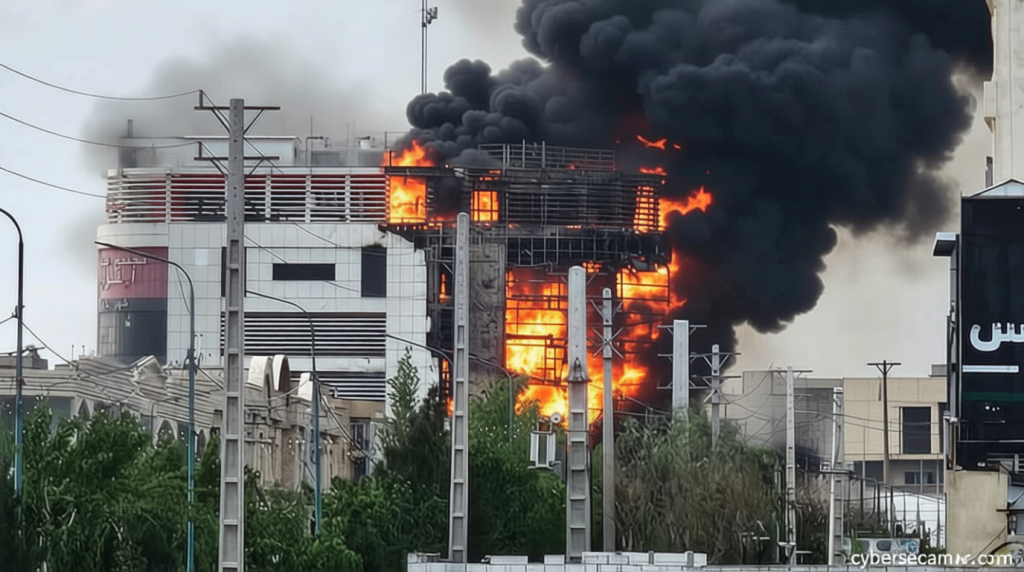
Fire at commercial complex near Tehran kills 11 and injures dozens
Fire at commercial complex near Tehran – On Wednesday, state media confirmed that a severe fire engulfed a commercial complex located in the outskirts of Tehran, resulting in the tragic loss of at least 11 lives and leaving numerous individuals with injuries. The incident, which occurred on Tuesday, has raised concerns about safety standards in urban infrastructure and has prompted a call for a thorough investigation into the causes of the disaster.
Location and Timing of the Incident
The Arghavan commercial complex, situated in the city of Andisheh, a district approximately 15 kilometers west of Tehran, was the site of the catastrophic fire. Initial reports highlighted the rapid spread of flames, which engulfed multiple floors of the building within minutes. State-run television aired footage capturing the intense blaze, with thick plumes of black smoke rising into the sky and emergency vehicles working tirelessly to contain the situation. The sheer speed of the fire’s progression has led officials to question the building’s construction practices and safety protocols.
According to preliminary assessments, the Arghavan complex housed over 250 commercial units and 50 office spaces, making it a bustling hub for local businesses. The structure, which stood several stories high, was reportedly constructed with a composite facade—a material that has drawn scrutiny from fire safety experts in previous incidents. This characteristic, combined with inadequate fire suppression systems, may have exacerbated the disaster, allowing the flames to move swiftly through the building’s interior.
Investigation and Legal Actions
Following the incident, the Public and Revolutionary Prosecutor’s Office of Shahriar has launched an investigation to determine the root causes of the fire. The office has also issued an arrest warrant for the building’s constructor, signaling a possible link between construction oversight and the tragedy. Officials have emphasized the need to identify any potential negligence or malpractice that contributed to the disaster, stating that accountability is a crucial step in preventing future occurrences.
“We are conducting a comprehensive inquiry to uncover the factors that led to this devastating event. The constructor’s actions will be scrutinized closely, as their decisions may have directly influenced the safety of the structure,” said a representative from the prosecutor’s office in a statement released earlier this week.
The investigation will likely examine the building’s design, the materials used, and the compliance with fire safety regulations. Experts have noted that composite facades, while cost-effective, can pose significant risks if not properly installed or maintained. This has sparked a renewed debate about the use of such materials in densely populated urban areas, where the consequences of a fire can be catastrophic.
Historical Context of Fire Hazards
The current fire is not the first major incident involving composite materials in Tehran’s commercial spaces. In January 2017, a fire at the 15-storey Plasco shopping centre in the capital claimed the lives of at least 22 people, including 16 firefighters. The rapid spread of flames in that case was attributed to the same type of facade, which experts warned about as a potential hazard. Similarly, in June 2020, a powerful explosion caused by gas canisters that ignited at a clinic in northern Tehran led to the deaths of 19 individuals, underscoring the recurring nature of such safety risks.
These incidents have highlighted the importance of regular safety inspections and the need for stricter regulations on construction materials. The Arghavan complex fire has intensified calls for a review of building codes, with some officials suggesting that the use of flammable materials should be limited in high-risk areas. The tragedy has also sparked public outrage, with residents demanding transparency and accountability from both the government and private contractors responsible for urban development.
Impact and Community Response
The fire has had a profound impact on the local community, disrupting business operations and causing widespread panic. Many businesses within the complex were forced to close temporarily, while families of the victims have begun seeking compensation and support. The incident has drawn attention to the vulnerability of commercial buildings in Tehran, where rapid development often outpaces safety measures.
Emergency responders faced significant challenges in reaching the upper floors of the building due to the intensity of the flames and the thick smoke. Reports indicate that the fire department arrived within 10 minutes of the incident but had to work under difficult conditions to rescue trapped individuals. The swift response, however, did not prevent the loss of life, emphasizing the critical need for early intervention and effective evacuation strategies.
As the investigation continues, the focus will remain on both the immediate causes of the fire and the broader implications for urban safety. The prosecutor’s office has pledged to release detailed findings within the next two weeks, which could lead to changes in building regulations and increased oversight of construction projects. Meanwhile, the victims’ families and community members are urging for stricter enforcement of safety standards to ensure such disasters are prevented in the future.

