
Breaking news. Iranian military claims it prevented US Navy ships from entering Strait of Hormuz
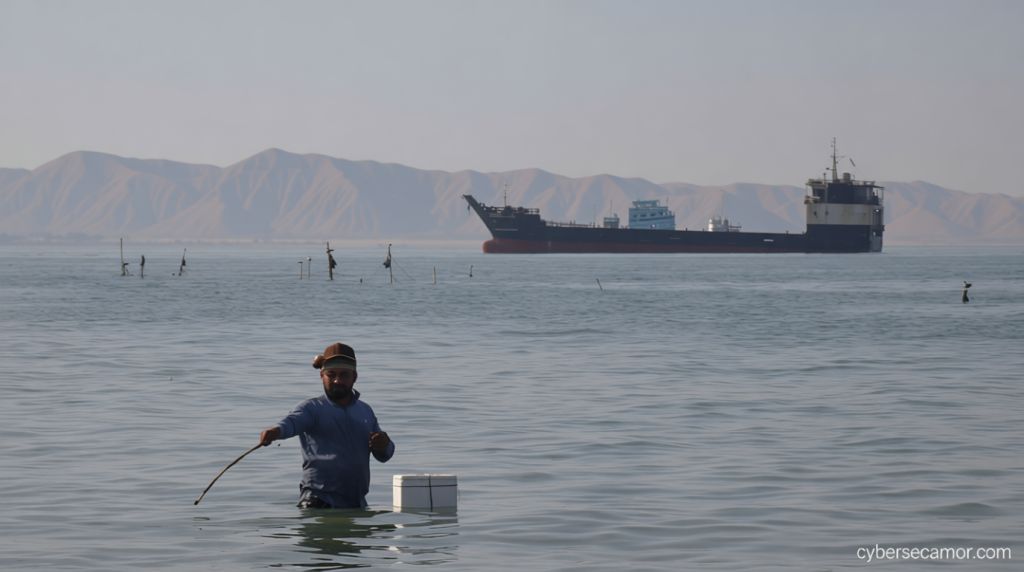
news Iranian military claims it prevented US Navy from entering Strait of Hormuz
Iranian Forces Report Success in Blocking US Naval Movement
news Iranian military claims it prevented – The Iranian military has confirmed its ability to halt US Navy ships from accessing the Strait of Hormuz, a vital maritime route for global oil exports. This action, reported by the state-run Tasnim News Agency, marks a significant development in the ongoing tensions between Iran and the United States. The military stated that it had successfully intercepted the American vessels, reinforcing its stance on safeguarding the strategic waterway. “The success of this operation will be followed by additional news,” the agency noted, signaling that further details may be released soon.
Missile Attack on US Frigate Raises Concerns
As the Iranian military’s claim gained traction, media outlets linked to the Islamic Revolutionary Guard Corps (IRGC) reported that a US Navy frigate had been struck by two missiles near the port of Jask. The incident, according to Fars news agency, occurred as the vessel allegedly breached maritime safety protocols in the Strait of Hormuz. The attack is seen as a demonstration of Iran’s resolve to defend its territorial waters. However, the agency did not specify the source of the attack, leaving room for debate about the accuracy of the claims.
US Response and Strategic Blockade Efforts
The US military swiftly denied any damage to its ships in the strait, with Central Command stating that no vessels had been struck during the incident. Instead, the command emphasized its involvement in Project Freedom, a mission aimed at enforcing a naval blockade on Iranian ports. “US forces are supporting Project Freedom and enforcing the naval blockade on Iranian ports,” the statement said, highlighting the broader context of American efforts to counter Iranian influence in the region. The Iranian military’s claim to have prevented US ships from entering the strait was framed as part of its broader strategy to assert control over key waterways.
UAE Condemns Drones Targeting State-Owned Tanker
The United Arab Emirates (UAE) voiced its disapproval of the Iranian military’s actions, accusing it of launching two drones at a state-owned tanker in the Strait of Hormuz. The UAE’s foreign ministry called the attack a “deliberate act of economic coercion,” asserting that it targeted commercial shipping as a means of exerting pressure. “The Iranian Revolutionary Guard Corps is using the Strait of Hormuz to enforce its will on maritime traffic,” the UAE said, referencing UN Security Council Resolution 2817, which sets standards for international shipping safety in the region.
Trump’s Plan and Iranian Counterpoint
President Trump had previously outlined a strategy to guide ships through the Strait of Hormuz, declaring that the US would take direct action to secure their passage. His social media post framed the initiative as a humanitarian effort to rescue vessels stranded in the Gulf due to heightened tensions. However, the Iranian state news agency, IRNA, dismissed the plan as a “hasty strategy,” suggesting it lacked the necessary depth. The Iranian military’s claim to have prevented US ships from entering the strait aligns with its broader narrative of resisting American encroachment in the region.
Maritime Coordination and Risk Warnings
In response to the US’s maneuvers, Iran reiterated that foreign ships must coordinate with Iranian forces before entering the Strait of Hormuz. “We warn that any aggressive movement by the US military will be met with targeted action,” Major General Ali Abdollahi stated in a broadcast, underscoring the strategic importance of the waterway. The Joint Maritime Information Centre (JMIC) also issued warnings about increased dangers for vessels navigating near the Omani side of the strait, citing the presence of uncharted mines and the potential for further conflict. This highlights the dual challenges of ensuring safe passage and maintaining regional stability.

