
Oscars: New rules announced – AI actors and scripts cannot win awards
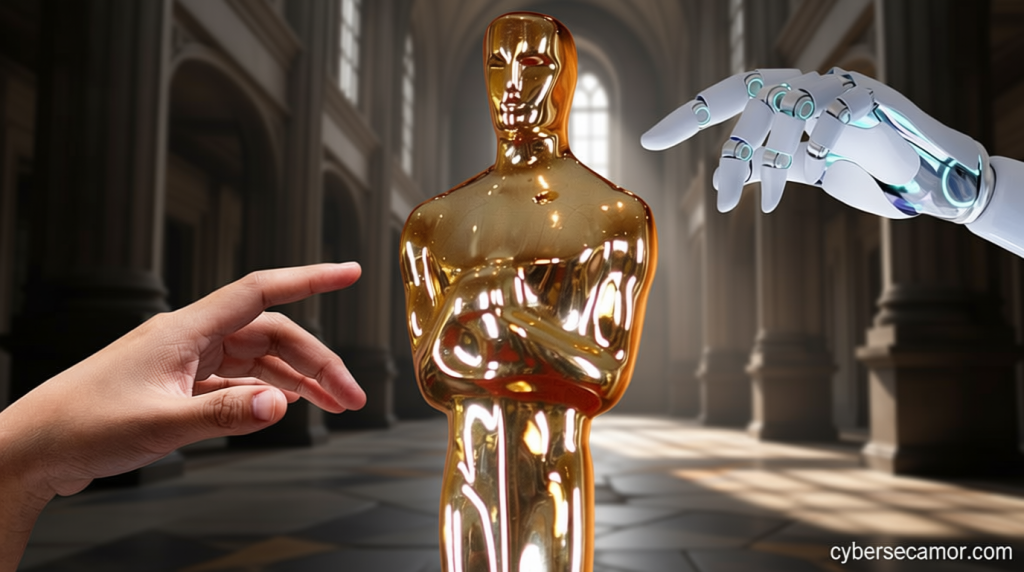
Oscars: New rules announced – AI actors and scripts cannot win awards
Oscars – The Academy of Motion Picture Arts and Sciences has unveiled revised criteria for the 2027 Academy Awards, marking a significant shift in how artificial intelligence is integrated into the filmmaking process. This update comes as part of a broader evaluation of eligibility standards, addressing the growing influence of AI in both performances and screenplay writing. The Academy’s decision aims to clarify the boundaries between human creativity and machine-assisted production, ensuring that the essence of artistic authorship remains central to the awards.
AI in Performances: Human Consent as a Requirement
For the performance categories, the Academy has mandated that all roles must be “demonstrably performed by humans with their consent” to qualify for consideration. This rule seeks to differentiate between AI-generated characters and human actors, emphasizing that the presence of a person in the performance is essential for recognition. While AI tools are permitted in the filmmaking process, they cannot replace the human element in acting, according to the updated guidelines. The Academy’s statement highlights that “the tools neither help nor harm the chances of achieving a nomination,” but each category will evaluate the creative input of humans as the primary factor in award decisions.
“Humans have to be at the center of the creative process,” said Academy President Lynette Howell Taylor. “As AI continues to evolve, our conversations around AI will do so along with that. But for the Academy, we are always going to put human authorship at the center of our awards eligibility process.”
Notably, the Academy has reserved the right to request detailed information from the production team regarding the extent of AI usage in a film. This provision allows for flexibility in assessing cases where AI’s role may be more pronounced. The decision to include this clause reflects the Academy’s commitment to transparency and accountability, ensuring that any AI involvement is scrutinized for its impact on the creative process.
Screenplay Eligibility: Human-Centric Approach
In contrast to performance categories, the screenplay rules are more explicit. The Academy has affirmed that “screenplays must be human-authored to be eligible,” eliminating the possibility of AI-generated scripts receiving consideration in this category. This requirement underscores the belief that the written word, as crafted by individuals, holds a unique place in the Oscars’ tradition. However, the Academy remains open to revisiting these standards as AI technology advances, with a focus on maintaining the integrity of human creativity.
The changes also include a notable shift in actor nominations. For the first time, performers may now be recognized for multiple roles within the same category, breaking decades of precedent that restricted an actor from being nominated twice for identical performances. This adjustment has sparked discussions about the evolving nature of acting and the potential for AI to influence the way roles are performed and evaluated.
International Feature Film Category: New Flexibility
Another key update involves the Best International Feature Film category. Previously, only one film per country or region could be nominated, selected by a local committee. The Academy has now expanded this to allow multiple films from the same nation to be eligible, provided they achieve top honors at major international film festivals. These festivals include Berlin, Busan, Cannes, Sundance, Toronto, and Venice, offering a broader platform for recognition.
Under the new rules, each film nominated in this category will be credited to its creators, not the country or region it represents. This change aims to reduce bias and promote diversity in the selection process, ensuring that films from all regions have equal opportunity to compete. The Academy’s decision reflects a balance between tradition and innovation, acknowledging the global reach of cinema while maintaining a focus on human contributions.
Industry Tensions and Human Advocacy
The Academy’s revisions come amid rising concerns about AI’s impact on the film industry. Many high-profile figures have voiced apprehension about the potential displacement of human talent, particularly in the wake of AI-generated actors making headlines. These anxieties have prompted a debate on how to preserve the human element in storytelling amid technological advancements.
Evangeline Lilly, a prominent actress known for her roles in Marvel’s Ant-Man films and Avengers: Endgame, has added her voice to this conversation. She criticized Disney for recent layoffs that targeted visual development staff, many of whom were instrumental in shaping the Marvel Universe. “I reached out to my good friend Andy Park, who was the genius behind creating the original Wasp super-suit and concept drawings, and I said, ‘Is this true? Is this really what’s happening?’ He said, ‘Yeah, it’s true,’” Lilly shared in her Instagram post.
“I can’t quite believe that… that Disney has let go of the artists who brought the Marvel Universe to life through their genius and that the people who invented these characters and who designed them are being replaced by AI. AI that will take their designs and take what they created and use it to create iterations of that. I am so sorry, Andy. I am so sorry to every one of the artists who were let go.”
Lilly’s post questions the lack of regulatory frameworks protecting human workers from being replaced by AI. “Where are the laws that REMOVE all human art from the AI bank?!?” she exclaimed, highlighting the urgency of establishing guidelines to safeguard artistic contributions. Her criticism extends to the broader industry, questioning how executives benefit from AI while artists face job insecurity. “Why do they get to steal our brilliance and use it to make executives rich while the artists responsible for feeding their robots go hungry?? Disgusting. California lawmakers…where are you?!??!” she added, calling for action to address the growing divide between human creators and machine-driven production.
These sentiments align with ongoing industry tensions, as studios and filmmakers grapple with the integration of AI into various aspects of production. While some view AI as a tool to enhance efficiency and creativity, others fear it may diminish the value of human artistry. The Academy’s new rules are seen as a step toward addressing these concerns, though they also raise questions about the future of artistic recognition in an increasingly automated world.
Implications for the 2027 Oscars
As the 99th Oscars approach, the revised guidelines will shape the eligibility of films and performances. The Academy’s emphasis on human authorship and consent signals a cautious but proactive stance toward AI’s role in the industry. While AI-generated content will still be allowed, its eligibility will depend on how closely it aligns with human creative input. This framework allows for innovation while ensuring that the core values of the Oscars remain intact.
The changes also set the stage for a new era in film awards, where the interplay between technology and tradition will be closely observed. With the international feature category now open to multiple films per country, the competition is expected to become more dynamic and inclusive. Meanwhile, the possibility of actors being nominated for multiple performances could lead to more recognition for versatile performers and a reevaluation of how talent is assessed.
Ultimately, the Academy’s decisions reflect a commitment to adapting to the times while honoring the legacy of human creativity. As AI continues to reshape the film industry, the Oscars will serve as a barometer for how the art of cinema evolves in response to these changes. Whether these rules will fully address industry concerns or spark further debate remains to be seen, but they mark a significant moment in the ongoing conversation about the role of technology in the arts.

