
The UAE’s OPEC exit signals strategic shift as Gulf unity faces new test over oil policy
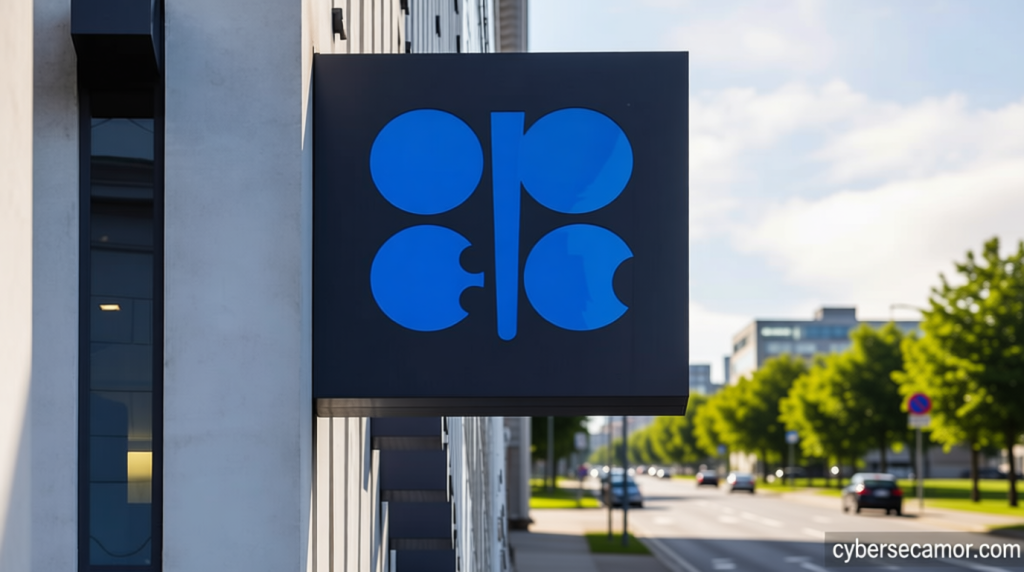
The UAE’s OPEC Exit Signals Strategic Shift in Regional Energy Policies
The UAE s OPEC exit signals – The UAE’s OPEC exit has ignited discussions about the changing priorities of Gulf states in global oil markets. As of 1 May, the United Arab Emirates officially left the Organization of the Petroleum Exporting Countries (OPEC), marking a pivotal moment for the region. This decision follows years of tensions over production quotas, with Abu Dhabi seeking to maximise output without constraints. The move reflects a broader shift in the UAE’s approach to energy strategy, emphasizing flexibility and market-driven policies over collective agreements. Analysts view this as a test of Gulf unity, as the nation’s departure could influence future collaborations in oil policy.
A Shift Toward Market Autonomy
Experts suggest the UAE’s OPEC exit is a deliberate strategy to assert greater control over its energy exports. Bill Farren-Price, an energy analyst at the Oxford Institute for Energy Studies, stated that the country’s decision was rooted in its investment in expanding oil and gas production. “The UAE has long pursued an independent path, leveraging its enhanced capacity to shape market conditions rather than conform to OPEC’s guidelines,” he explained. This shift positions the UAE as a key player in redefining the balance between regional cooperation and individual economic goals.
“The UAE has long pursued an independent path, leveraging its enhanced capacity to shape market conditions rather than conform to OPEC’s guidelines.” – Bill Farren-Price, Oxford Institute for Energy Studies
The UAE’s exit from OPEC signals a departure from the traditional model of production discipline. While OPEC and OPEC+ have historically relied on quotas to stabilise global prices, the UAE now prioritises maximising its market share. Frédéric Schneider, a Senior Fellow at the Middle East Council on Global Affairs, noted that this decision highlights the growing divergence between member nations. “The UAE’s desire to boost exports is a central driver,” he said, adding that the country’s output potential far exceeds its current OPEC-imposed limits. This could challenge the effectiveness of the quota system in maintaining market stability.
Testing the Resilience of Gulf Cooperation
The UAE’s decision to leave OPEC has raised questions about the cohesion of Gulf alliances. Despite historical unity, disparities in energy strategies have emerged, with some nations resisting production constraints. Andrei Covatariu, a senior fellow at the Atlantic Council’s Global Energy Centre, observed that the UAE’s exit follows a pattern of dissatisfaction with OPEC’s rigid structure. “The UAE has consistently advocated for greater flexibility in output decisions,” he explained, noting the potential for other Gulf states to follow suit. This shift may force OPEC to reconsider its approach, particularly as demand for oil remains strong and prices fluctuate.
“The UAE has consistently advocated for greater flexibility in output decisions.” – Andrei Covatariu, Atlantic Global Energy Centre
The UAE’s exit could redefine the role of OPEC in global energy governance. While the group aims to stabilise prices through coordinated production cuts, the UAE’s emphasis on commercial gains challenges this model. Covatariu argued that the quota system may no longer align with the ambitions of producers like the UAE, which now seek to capitalise on their expanded capacity. This tension underscores a broader debate over whether OPEC’s traditional framework remains relevant in a rapidly evolving market landscape.
Implications for Global Oil Markets
The UAE’s departure from OPEC may have significant implications for global oil supply and pricing. With the country now free to adjust production levels independently, it could increase output to meet rising demand, potentially influencing prices. Analysts suggest this move may encourage other nations to reconsider their alignment with OPEC, especially if they feel their interests are not adequately represented. The UAE’s exit also highlights the country’s confidence in its energy infrastructure, which allows it to sustain higher production without straining resources. This shift could lead to a more fragmented OPEC+, as members weigh individual benefits against collective stability.
“The UAE’s exit may encourage other nations to reconsider their alignment with OPEC, especially if they feel their interests are not adequately represented.” – Andrei Covatariu, Atlantic Council’s Global Energy Centre
As the UAE’s OPEC exit takes effect, the focus shifts to how this will reshape international energy dynamics. While the move may reduce the group’s influence, it also opens opportunities for the UAE to engage more directly with global markets. The success of this strategy will depend on how effectively the country balances its energy ambitions with the need for regional partnerships. This development marks a critical juncture in the evolution of oil policy, with the UAE leading the charge toward a more flexible and

