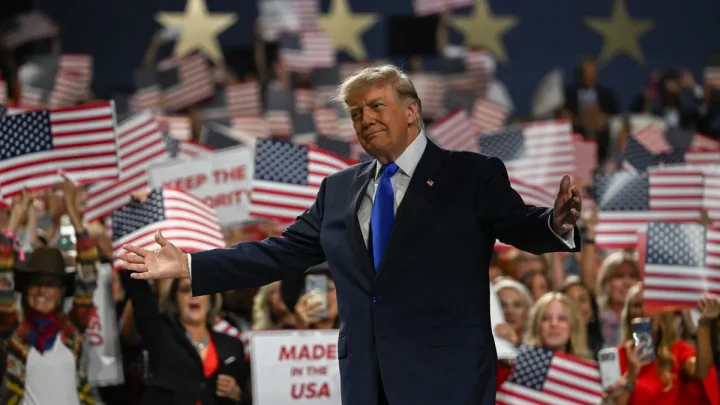
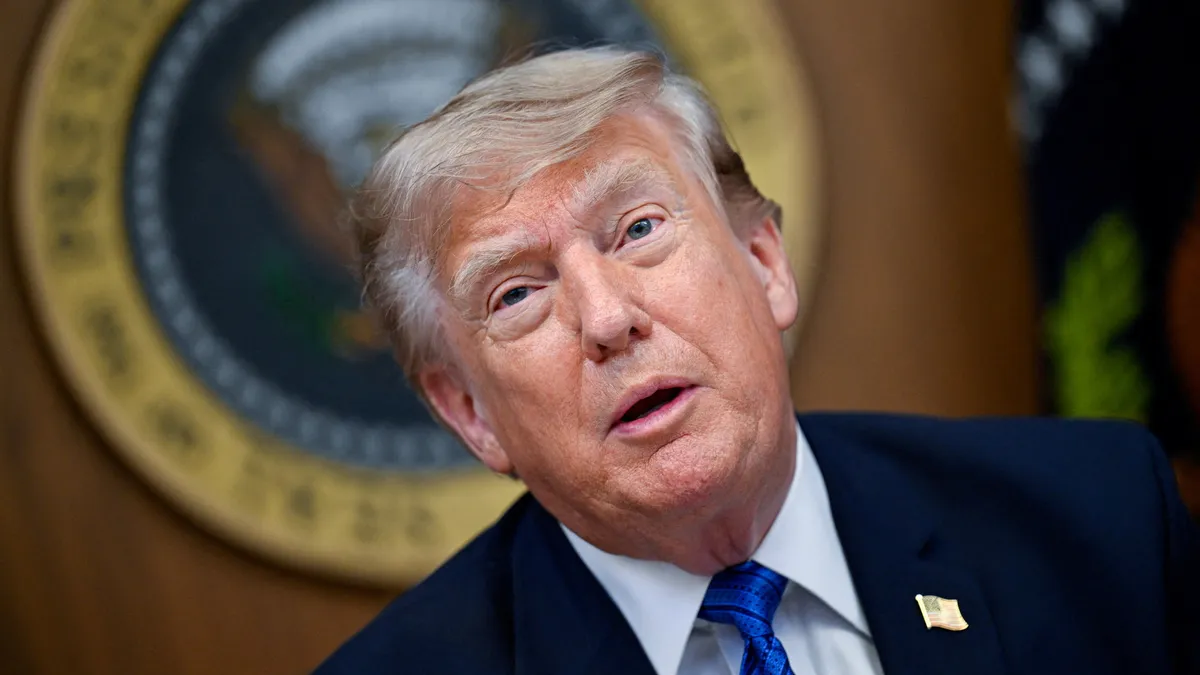
In win for Trump, Supreme Court allows third-country deportations to resume

Daftar Isi
Supreme Court Clears Path for Third-Country Deportations During Appeal
Cybersecarmor.com – The Trump administration may resume sending some migrants to countries other than their homelands after the Supreme Court temporarily halted a lower-court ruling that had blocked the policy.
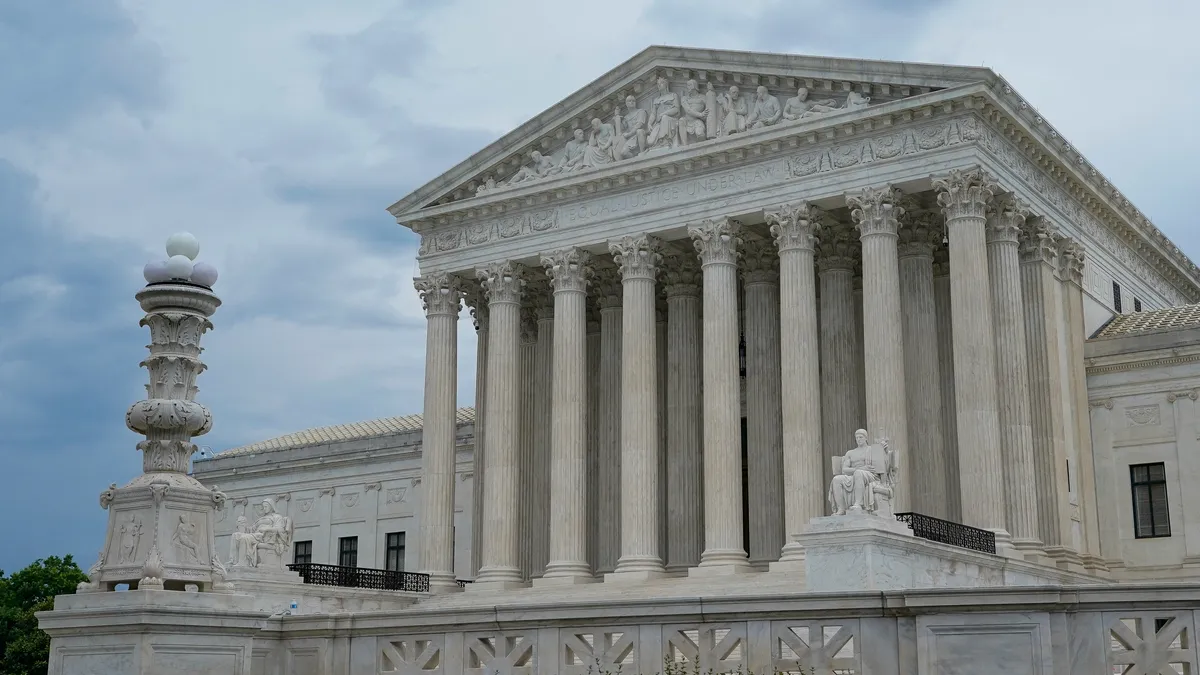
In its Sept. 29 action, the court gave the administration another procedural victory in a major immigration dispute tied to President Donald Trump’s broader deportation agenda. The justices have now allowed the government to continue the practice three separate times while the underlying legal challenge moves through the courts.
The Supreme Court will hear full arguments in December and aims to issue a final ruling by the end of June. Until then, the administration can proceed with third-country removals despite objections from migrants and human-rights advocates who warn that people could face severe danger after being transferred to unfamiliar countries.
A disputed removal policy
Third-country deportation can affect migrants whose countries of citizenship will not accept their return. The administration has described the approach as necessary for removing people it considers especially serious criminal cases when their own governments refuse repatriation.
“An essential tool to remove certain aliens, including some of the worst criminal aliens”
That was the administration’s description of the practice in its emergency appeal to the Supreme Court. Federal officials argued that delaying removals benefits some migrants but harms the country’s interests.
“While certain aliens may benefit from stalling their removal, the Nation does not,”
The case does not resolve whether third-country removals are ultimately lawful. Instead, the Sept. 29 order addresses what happens while the Supreme Court reviews the administration’s appeal. The court’s conservative majority permitted the policy to remain in effect, while the three liberal justices said they would have left it suspended during the litigation.
Lower court demanded a meaningful opportunity to object
The dispute centers on the protections migrants must receive before being sent to a third country. U.S. District Judge Brian Murphy, who sits in Boston, ruled that the government could not simply depend on promises from another government that a person would not be persecuted or tortured after arrival.
Murphy concluded that migrants must receive a meaningful opportunity to demonstrate that they could be harmed in the destination country. His ruling rejected the administration’s third-country removal plan and became the focus of the latest Supreme Court appeal.
An appeals court largely supported Murphy’s decision earlier in September. Following that action, the Department of Homeland Security canceled a planned flight that would have transported 70 migrants to three different countries.
The administration told the Supreme Court that Murphy’s latest decision repeated errors the justices had already addressed when they intervened at earlier stages of the case last year. The government sought emergency relief so removals could continue before the court considers the full appeal.
Migrants cite potentially irreversible consequences
Lawyers representing the migrants have argued that the consequences of allowing the policy to proceed could be permanent and severe. They say the practice has been used against longtime residents of the United States, including many people with no criminal record.
The migrants’ attorneys have described alleged outcomes that include disappearances, physical assaults and sexual violence. Their filing urged the court to preserve the lower-court restrictions, arguing that the people facing removal—not the government—would suffer the more serious injury if deportations resumed before the case is fully decided.
More than a dozen United Nations human-rights experts have also called on the administration to halt the practice. Their concerns reflect the central question before the courts: whether people can be transferred safely to a country that is neither their home nor necessarily a place where they have established ties.
Thousands potentially affected
The Justice Department has said that thousands of migrants have been deported during the past 15 months and that thousands more could be eligible for removal. That scale makes the case consequential beyond the individuals directly named in the litigation.
For migrants, the ruling means third-country transfers may again occur before the Supreme Court gives a final answer on the legal safeguards required. For immigration officials, it restores a removal option that the administration says is important when direct deportation to a person’s country of origin is unavailable.
The December arguments are expected to focus on the balance between the government’s authority to carry out immigration removals and its obligation to protect individuals from persecution or torture. The eventual decision could determine whether assurances from foreign governments are sufficient, or whether migrants must receive a fuller chance to challenge the safety of a proposed destination.
Until then, the Supreme Court’s order leaves the administration with authority to continue the contested deportations, even as the legal and humanitarian debate over the policy remains unresolved.
Related Reading
Frequently Asked Questions
What is In win for Trump Supreme Court?
In win for Trump Supreme Court is the main topic of this guide. The article explains the context, practical details, and next steps readers should understand.
Why does In win for Trump Supreme Court matter?
In win for Trump Supreme Court matters because readers are looking for a useful answer, not just a short summary. Good content should match search intent and help them decide what to do next.