‘Low-T’: MAGA insults Talarico’s masculinity, but it isn’t working

Daftar Isi
Culture-war attacks collide with Texas voters’ economic concerns
Cybersecarmor.com – Low T – Texas Democrats see a rare opening in the 2026 Senate contest as state Rep. James Talarico keeps pace with, and in some polling surpasses, Republican Attorney General Ken Paxton. Republicans, meanwhile, have leaned heavily on cultural attacks, mocking Talarico’s faith, masculinity and personal tastes while trying to blunt his growing appeal.
The race has become increasingly significant in a state that has favored Republican Senate candidates for decades. Donald Trump won Texas by 14 percentage points in 2024, yet the political environment has shifted amid weak approval ratings for the president and broad frustration over inflation, fuel prices and health-care expenses.
Talarico, 37, has made affordability a central theme of his campaign. That focus appears to be complicating the Republican effort to define him primarily through social and cultural divisions.
Trump joins the attacks
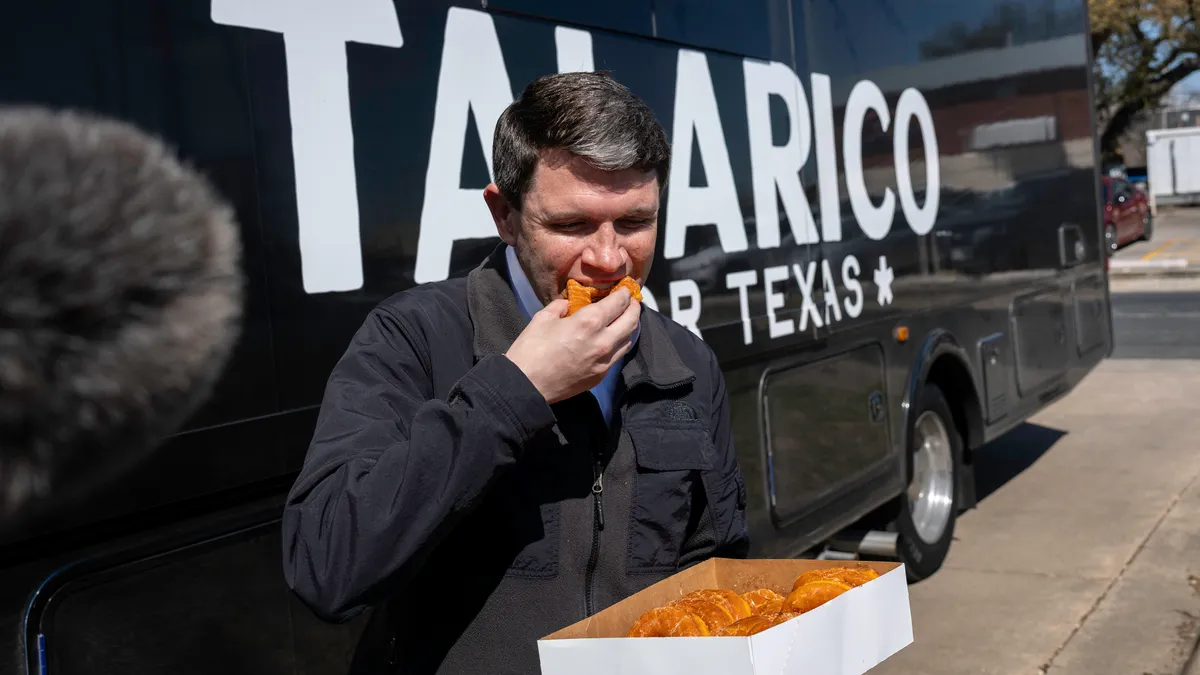
At the Republican midterm convention in Dallas on Sept. 9, Trump targeted Talarico in unusually personal terms, claiming that the Democrat “doesn’t like meat.” The remark echoed an inaccurate Republican talking point that Talarico is vegan.
Talarico has rejected that characterization, saying his campaign “runs on barbecue.” For his supporters, the recurring food-related criticism illustrates a larger strategy: portray him as out of step with Texas through labels and ridicule rather than engage with his economic message.
A Presbyterian seminarian, Talarico brushed off such attacks during a September appearance with Jimmy Kimmel, framing them as distractions from problems voters experience daily.
“These nicknames, they don’t lower the price of groceries. They don’t lower the price of gas. They don’t lower the cost of health care. They don’t actually improve anybody’s life.”
Republicans have also promoted the nickname “Talafreako” and questioned whether Talarico fits traditional ideas of Texas masculinity. After winning a bruising Republican primary over incumbent Sen. John Cornyn, Paxton referred to his Democratic rival as “tofu Talarico” and “James Talafreako” in his victory speech.
One Paxton campaign advertisement closed with the phrase “too low-T for Texas,” using a reference to testosterone commonly deployed online as shorthand for weakness or insufficient masculinity.
Polling gives Democrats reason for optimism
Nearly every publicly released survey since July has shown Talarico either even with Paxton or ahead. A ReconMR/Texas Pulse poll released Sept. 17 put Talarico in front by 6 percentage points, 49% to 43%, his largest lead at that stage of the campaign.
Those numbers have increased the stakes for Republicans defending a Senate seat they have held for nearly four decades. The party is spending millions of dollars in an effort to prevent what would be a striking defeat in a state long viewed as safely Republican at the federal level.
Talarico’s coalition includes young online activists as well as voters drawn to his progressive Christian outlook and populist economic arguments. Jared Shult, a 23-year-old Austin-based liberal influencer with more than 500,000 combined followers on Instagram, TikTok and X, said the campaign’s emphasis on household costs has helped Democrats make gains.
“Whether somebody is feminine or masculine or whatever, it doesn’t really make a difference on whether they’re gonna make your life cheaper.”
Shult pointed to anger over gasoline costs and concerns about data centers being built near residential communities as examples of issues that can outweigh arguments over personality and identity.
The dynamic presents a basic challenge for Paxton: voters may hear the cultural criticism, but still judge candidates on whether they offer credible responses to the cost of living. Talarico has repeatedly sought to make that calculation the center of the contest.
Faith, drag culture and political identity
Trump’s Dallas speech also highlighted past comments from Talarico, including his description of himself as a “Christian who hates Christianity,” his reference to God as “nonbinary,” and his view that the U.S. flag is a “complicated symbol.”
Paxton’s campaign expanded that approach in a Sept. 22 digital advertisement featuring a clip of Talarico naming Alyssa Edwards as his favorite drag queen. Edwards, a Texas native, is known for appearances on “RuPaul’s Drag Race.” The 60-second advertisement included footage of Edwards addressing children and called Talarico “weird” for praising the performer.
Such messaging is designed to make moderate or less politically engaged voters uneasy with Talarico, political scientist Mark P. Jones of Rice University said. Paxton faces the task of overcoming Talarico’s stronger popularity and net favorability numbers.
“Republicans are searching for anything they can find to make regular voters uncomfortable with Talarico.”
The attacks have not yet produced a visible polling breakthrough for Paxton. His own campaign comes with substantial political baggage, including a Texas House impeachment over bribery allegations. The state Senate later acquitted him. Paxton has also faced allegations of adultery from his former wife.
An argument over what matters most
For Talarico, the election is increasingly a test of whether Texas voters will prioritize cultural identity over economic dissatisfaction. His response has been to treat the insults as evidence that Republicans lack a stronger answer on prices, wages and everyday expenses.
For Paxton, the strategy reflects an attempt to restore familiar Republican lines of division in a state where cultural conservatism has long been politically potent. The uncertainty is whether those messages can still dominate when voters are focused on bills at the grocery store, the gas pump and the doctor’s office.
As the campaign moves forward, the contest will show whether a Democrat can turn widespread concerns about affordability into a durable statewide coalition — and whether personal attacks that once defined Texas politics can outweigh an economic argument aimed at voters across ideological lines.
Related Reading
Frequently Asked Questions
What is Low T?
Low T is the main topic of this guide. The article explains the context, practical details, and next steps readers should understand.
Why does Low T matter?
Low T matters because readers are looking for a useful answer, not just a short summary. Good content should match search intent and help them decide what to do next.