Jury duty might sound annoying. It can be far worse than that

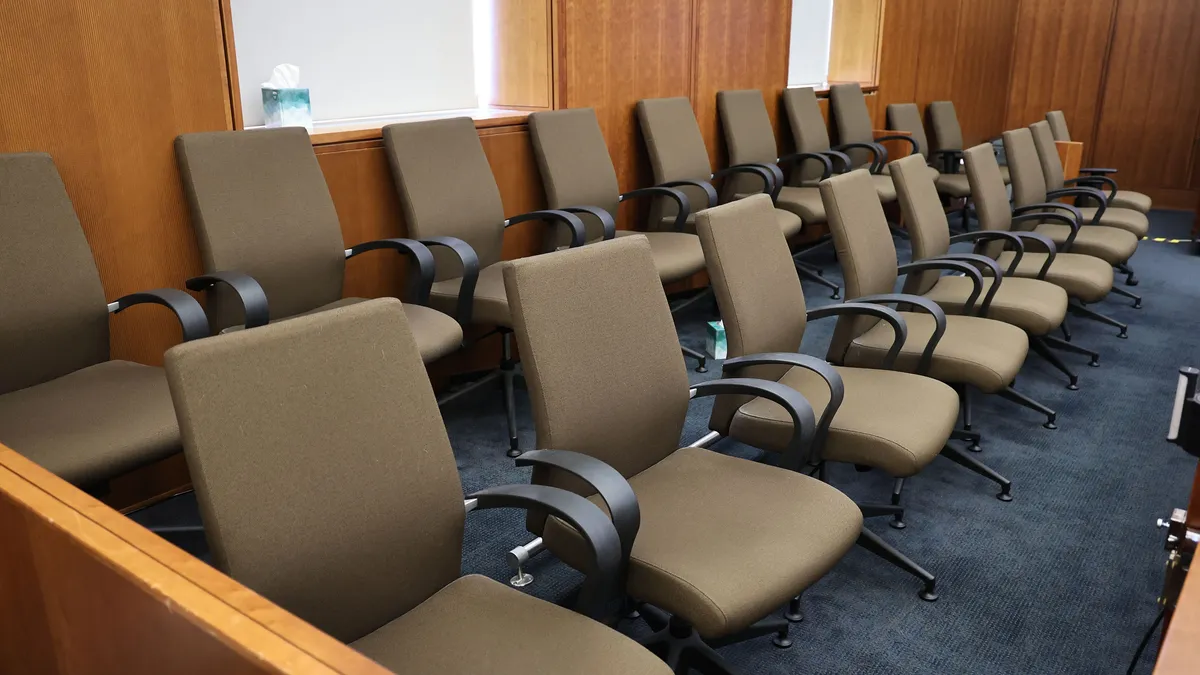
The Hidden Emotional Weight of Jury Service
Cybersecarmor.com – Jury duty is often treated as an inconvenient interruption: a summons arrives, work schedules must be rearranged, child care may need to be found and daily obligations are put on hold. But for people selected to hear devastating criminal cases, the experience can leave memories that endure long after the courtroom empties.
Erin Reilly Lee still remembers an extraordinary moment from nearly three decades ago. She served on the Delaware jury in the murder trial of Thomas J. Capano, a prominent lawyer charged in the death of Anne Marie Fahey, a 30-year-old scheduling secretary for Delaware’s governor in 1996.
Capano testified that Fahey’s body had been placed gently into a cooler after another woman he was involved with shot her. While sequestered at a hotel, jurors wanted to test whether that account was physically possible. Lee, who was only a few years younger than Fahey and somewhat shorter, got into the cooler herself.
“I think I even said then it was like a darkness that I’ve never felt or known, and that’s just the best way for me to describe it,” Lee said. “But it was also very emotional.”
The memory illustrates why jury service can become much more than a civic obligation. Jurors are expected to assess testimony carefully, consider evidence fairly and reach a decision without allowing emotion to replace the law. Yet the details they must absorb can be disturbing, personal and difficult to set aside.
Clancy Case Brings Juror Strain Into Focus
The recent Massachusetts trial of Lindsay Clancy has renewed attention on that burden. Clancy is accused of strangling her three young children. Jurors heard deeply painful evidence, including a 911 call from her husband, Patrick Clancy, after he found her injured and later discovered the children in the basement of the family home.
Patrick Clancy had found his wife after she cut her wrists and neck and jumped from a second-story window. She was left paralyzed. The children had been strangled.
One juror, Kellie Farina, described the emergency call as overwhelming.
“It’s something that I will never not hear if I think about it,” Farina said. “When we we heard it again in the jury room, we were we were crying again. We were just like, ‘My God!’ The desperation, the despair in his voice was. … It’s something that will stick with me.”
After more than 38 hours of deliberations, the jury could not reach a unanimous verdict. Judge William Sullivan declared a mistrial on Sept. 4. A hung jury can add another layer of difficulty for people who have already spent days or weeks confronting painful evidence and trying to make a decision with lasting consequences.
For some jurors, the end of a trial does not deliver immediate relief. They may question their conclusions, replay testimony or feel unsettled by the outcome. When a mistrial is declared, jurors may also wonder whether they failed the court, the parties involved or the broader community, even though disagreement is part of the jury system’s design.
Anxiety Can Start Before the Trial Does
Jawwaad Johnson, director of the Center for Jury Studies at the National Center for State Courts, has described the stress that can arise immediately after a summons arrives as “summons anxiety.” Potential jurors may worry about missing work, managing family responsibilities or losing income while fulfilling a public duty.
“We’ve plucked individuals out of their everyday lives and we’ve asked them to grapple with evidence and testimony that could be triggering and may not seem triggering on its face,” Johnson said. “It doesn’t have to be a capital murder trial that leads folks to need some sort of aftercare.”
Many Americans view jury service as an important responsibility of citizenship. A 2017 Pew Research Center survey found that most people consider it part of being a good citizen. Still, the practical costs can be significant. A 2024 survey conducted by a Bar exam preparation website found that nearly 10% of respondents said they had lied to avoid jury duty, with financial pressure cited most often.
Those pressures exist even before prospective jurors go through voir dire, the questioning process used to determine who will sit on a case. For people ultimately selected, the ordinary strain of scheduling and money concerns can combine with the emotional demands of the trial itself.
Why Deliberations Can Be Especially Difficult
Monica Miller, a professor and director of the judicial studies program at the University of Nevada, Reno, has said jurors in difficult cases must remain focused while reviewing evidence that may be graphic, confusing or contradictory. The task requires close attention even when the material is emotionally painful.
A 2016 research review focused on juries found that trauma-related symptoms affected as many as half of jurors, with some people experiencing those effects for months. The impact can vary widely. A case may involve violent images, recordings of panic or grief, accounts from witnesses or evidence that forces jurors to imagine events in unsettling detail.
Jurors are also generally unable to discuss an active case with relatives, friends or coworkers. That restriction protects the integrity of the process, but it can leave participants feeling cut off from their usual sources of support. In unusual cases involving sequestration, the isolation can become physical as well as emotional.
Deliberation itself can be one of the most stressful stages. Jurors must debate the evidence with strangers who may see the case very differently. A person holding a minority view can feel strong pressure to reconsider, particularly when fellow jurors want to conclude the proceedings and return to their lives. Yet the system depends on each juror being able to vote honestly and independently.
Support Should Not End at the Courthouse Door
Courts rely on ordinary citizens to make some of the most consequential decisions in the legal system. That responsibility includes evaluating guilt, weighing credibility and, in some cases, determining outcomes involving death, severe injury or lifelong punishment.
Recognizing the emotional cost of that work does not weaken the jury system. It acknowledges the reality that jurors are people asked to carry information most would never encounter in daily life. Clear communication about scheduling, compensation and available mental-health resources can help reduce the strain before, during and after service.
Lee’s experience in the Capano trial remains vivid because it was not simply a courtroom exercise. It placed her in direct contact with the human reality behind the evidence. The same may be true for jurors in the Clancy case and countless others whose service ends when a verdict is reached, or when a jury cannot agree, but whose memories do not end there.
Related Reading
Frequently Asked Questions
What is Jury duty might sound annoying It can?
Jury duty might sound annoying It can is the main topic of this guide. The article explains the context, practical details, and next steps readers should understand.
Why does Jury duty might sound annoying It can matter?
Jury duty might sound annoying It can matters because readers are looking for a useful answer, not just a short summary. Good content should match search intent and help them decide what to do next.