Fed raises rates for first time since 2023. What it means for you

Daftar Isi
Federal Reserve Lifts Benchmark Rate After Long Pause
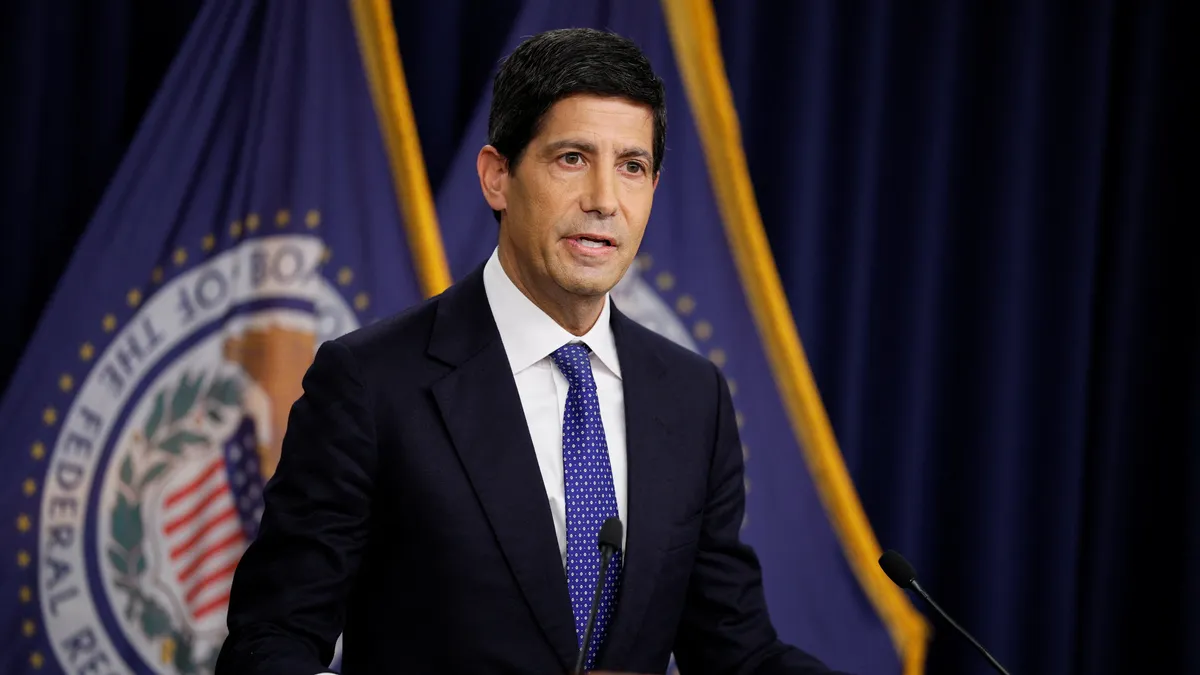
Cybersecarmor.com – The Federal Reserve has increased its benchmark interest rate, marking the first rate hike since 2023 and signaling a significant shift for households, businesses, borrowers and savers across the country.
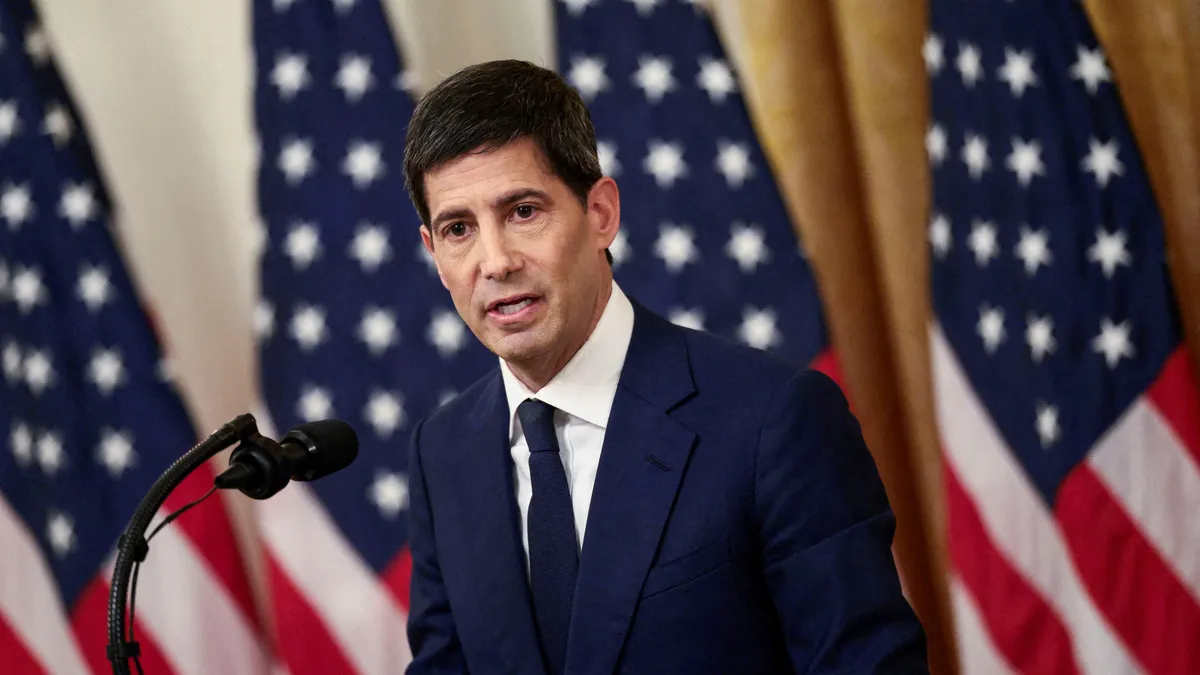
The decision came only days after President Trump said the United States should have “the lowest interest rates in the world,” highlighting the sharp public attention surrounding the direction of monetary policy. The Federal Reserve sets interest rates independently, with policymakers weighing economic conditions, inflation pressures and the broader outlook when making their decisions.
The United States should have “the lowest interest rates in the world.”
Why the benchmark rate matters
The benchmark federal funds rate is a central tool used by the Federal Reserve. It is the interest rate banks charge one another for certain overnight lending, but its influence reaches well beyond the banking system. Changes in that rate can affect the cost of credit throughout the economy, including borrowing through credit cards, mortgages, auto loans and business financing.
When the Federal Reserve raises rates, borrowing often becomes more expensive over time. The immediate effect is usually most visible for consumers with variable-rate debt, because lenders can adjust those rates more quickly. Credit card annual percentage rates, for example, may move higher after a rate increase, depending on the terms of an account.
Mortgage borrowers may not see an identical one-for-one change, since mortgage rates are shaped by several factors beyond the Fed’s benchmark rate. Still, expectations about Federal Reserve policy can influence the wider interest-rate environment, including the rates available to people shopping for a home loan or considering a refinance.
What consumers may notice
For borrowers, the practical message is to review outstanding debt and understand which balances carry variable rates. A higher benchmark rate can add pressure to revolving credit balances and other loans whose terms adjust with market rates. Consumers considering a major purchase may also find that monthly financing costs have become a more important part of the decision.
Savers can experience the other side of the change. Banks and financial institutions may offer higher returns on certain deposit products, although increases are not automatic and can vary widely by institution. Checking the rates on savings accounts, certificates of deposit and similar products can help consumers understand whether their cash is earning a competitive return.
For households, a rate hike does not mean every financial product changes overnight. Existing fixed-rate loans generally keep the same interest rate for the life of the loan. Someone with a fixed-rate mortgage, for instance, would not see the rate on that existing mortgage rise simply because the Federal Reserve acted.
Businesses and the broader economy
Businesses also watch Federal Reserve decisions closely because the cost of financing can affect plans for expansion, equipment purchases, inventories and hiring. Companies that rely on borrowing may face higher costs when rates rise, while firms with substantial cash holdings could benefit from improved returns on short-term investments.
Rate policy can influence spending decisions throughout the economy. Higher borrowing costs may encourage households and companies to delay some purchases or investments, while stronger returns on savings can encourage people to hold more cash. The overall impact depends on how long rates remain at a given level, how lenders respond and how consumers and businesses adjust their plans.
The Federal Reserve’s latest move follows a lengthy period without an increase. That makes the decision notable not only for its immediate financial implications but also for what it suggests about policymakers’ assessment of current economic conditions. Rate decisions are closely studied because they can shape expectations about inflation, employment, consumer demand and future borrowing costs.
What to watch next
The effects of a benchmark-rate increase tend to unfold gradually. Financial markets react quickly, but many households encounter the consequences later through updated loan offers, changing credit-card rates or revised savings yields. The pace and size of any changes depend on individual lenders and the type of financial product involved.
Consumers can respond by paying attention to variable-rate balances, comparing borrowing offers before taking on new debt and reviewing where they keep savings. For people already managing debt, understanding the interest rate, repayment schedule and whether the rate can change is especially important after a Federal Reserve increase.
The rate hike also reinforces the importance of following future Federal Reserve meetings. Policymakers may raise, lower or hold the benchmark rate depending on their view of economic developments. For now, the first increase since 2023 places renewed focus on how higher rates could filter through household budgets, business plans and the nation’s financial system.
Related Reading
Frequently Asked Questions
What is Fed raises rates for first time?
Fed raises rates for first time is the main topic of this guide. The article explains the context, practical details, and next steps readers should understand.
Why does Fed raises rates for first time matter?
Fed raises rates for first time matters because readers are looking for a useful answer, not just a short summary. Good content should match search intent and help them decide what to do next.