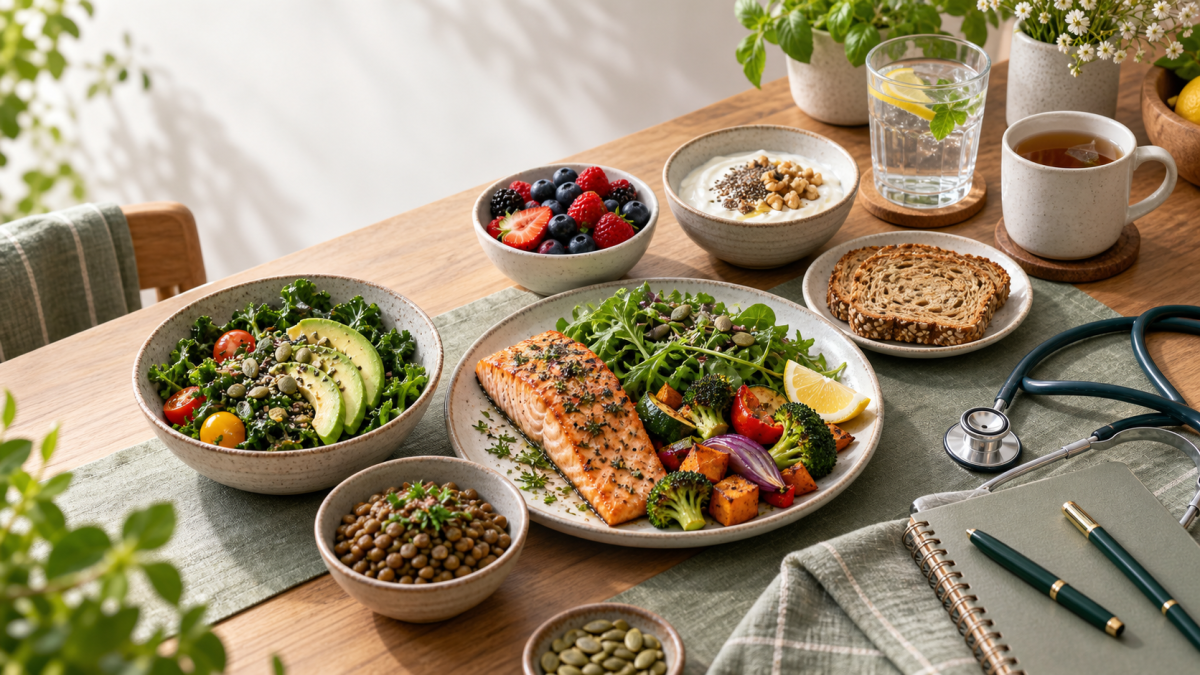
What an obesity medicine specialist eats in a day

Daftar Isi
An Obesity Medicine Specialist’s Practical Approach to Eating
Cybersecarmor.com – For Dr. Susan Wolver, food choices are less about following a rigid plan and more about finding habits that fit an individual’s body, preferences and everyday life. As director of the Virginia Commonwealth University Health Weight Loss Program, she has led an obesity center for 13 years, beginning long before GLP-1 medications became widely discussed.
Patients frequently ask her to name the ideal way to eat. Her response emphasizes sustainability over strict rules.
“The best diet is one that doesn’t feel like a diet. If it feels like a diet, you’re already doomed for failure.”
Wolver’s message is that a successful eating pattern should account for personal taste, cultural food traditions and sensitivities. A plan that ignores those realities may be difficult to maintain, even when it appears healthy on paper.
A Lower-Carbohydrate Pattern That Works for Her
Her own meals tend to be lower in carbohydrates because she has learned that this approach helps her feel better. Wolver describes herself as someone who has had a difficult relationship with sugar in the past, including periods before her work in obesity medicine when sweet foods made up much of what she ate during the day.
“I don’t do well with carbohydrates. I am definitely a sugar-aholic. There were days before I started doing this for a living that I’d only eat sugar things all day long, and I felt terrible.”
Changing that pattern was challenging at the beginning, she said. Her experience reflects a broader point for people trying to improve their nutrition: recognizing a habit is not the same as instantly being able to replace it. Changes often need to be gradual enough to become part of normal life.
She also does not view dietary fat as something to automatically avoid. Wolver points to the popularity of low-fat and fat-free eating trends during the 1980s, when many products used added sugar to replace fat. In her view, the health results did not improve.
“Did the health get better of our world? No, it got significantly, dramatically worse, where the rates of diabetes and obesity just skyrocketed.”
That perspective does not mean every high-fat food is a health food or that one eating style suits everyone. Instead, it underscores the importance of looking beyond front-of-package labels and considering the full nutritional picture.
Read Beyond the Packaging
Wolver encourages shoppers to take a closer look at packaged products that are marketed as nutritious. A label can highlight one appealing feature, while the ingredients or nutrition panel may tell a more complicated story.
“You need to be your own best detective because they’re trying to sell you a product, and most of the time, if it’s in a box or a bag, it’s not going to be the best product.”
Turning over a box or bag to inspect the label can help people compare foods more thoughtfully. This can be especially useful for anyone trying to manage blood sugar, blood pressure, cholesterol, chronic pain or weight-related health concerns. The goal is not perfection with every purchase; it is gaining enough information to make choices that support a person’s own health needs.
For people who are not seeing the health or weight changes they want, Wolver says an obesity medicine specialist may be worth considering. Such care can be particularly relevant when efforts to change eating habits have not produced the hoped-for outcomes, or when conditions such as diabetes or high blood pressure complicate the picture.
Why Obesity Care Goes Beyond Willpower
Wolver spent nearly 40 years in primary care and general internal medicine. Her decision to focus full time on obesity medicine came after a personal realization in middle age, when she began gaining weight despite using the same guidance she had long offered patients.
“When I figured out my own way to change what I was doing, and I was successful, I started helping some of my patients.”
She said those efforts included helping some patients with diabetes stop using insulin. The experience changed how she understood obesity treatment and encouraged her to devote her work to the specialty.
One of the most important conversations in her practice is helping people understand that weight struggles are not a personal moral failure. People seeking treatment may arrive after years of trying diets, exercise routines or other strategies without lasting success. Shame can make it harder to ask for help and can obscure the medical factors involved.
“They’re not here because they’ve done something wrong… Obesity is not a disease of willpower, but a disease of biology.”
That framing shifts the focus from blame to care. Food choices matter, but so do biology, health history and the practical circumstances that shape daily routines. Wolver’s own approach offers a simple takeaway: the most useful eating pattern is not necessarily the trendiest one. It is the one a person can live with, one that supports their health and one that does not require them to feel as if every meal is a test of willpower.
Related Reading
Frequently Asked Questions
What is What an obesity medicine specialist eats?
What an obesity medicine specialist eats is the main topic of this guide. The article explains the context, practical details, and next steps readers should understand.
Why does What an obesity medicine specialist eats matter?
What an obesity medicine specialist eats matters because readers are looking for a useful answer, not just a short summary. Good content should match search intent and help them decide what to do next.