Trump’s apparent hair color change sparks buzz on social media

Daftar Isi
A Sudden Shift in Shade: Trump’s Hair Draws Fresh Scrutiny
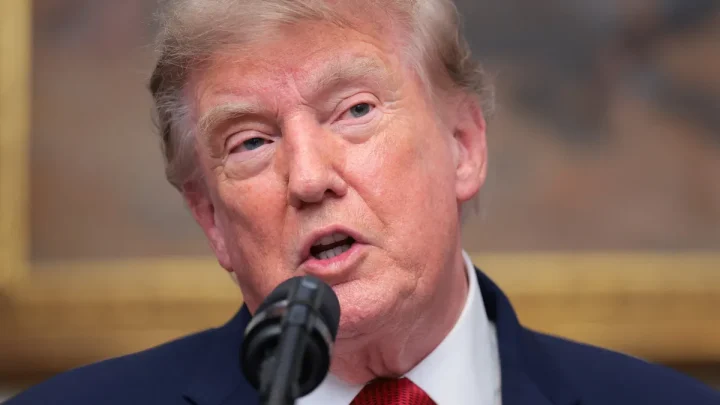
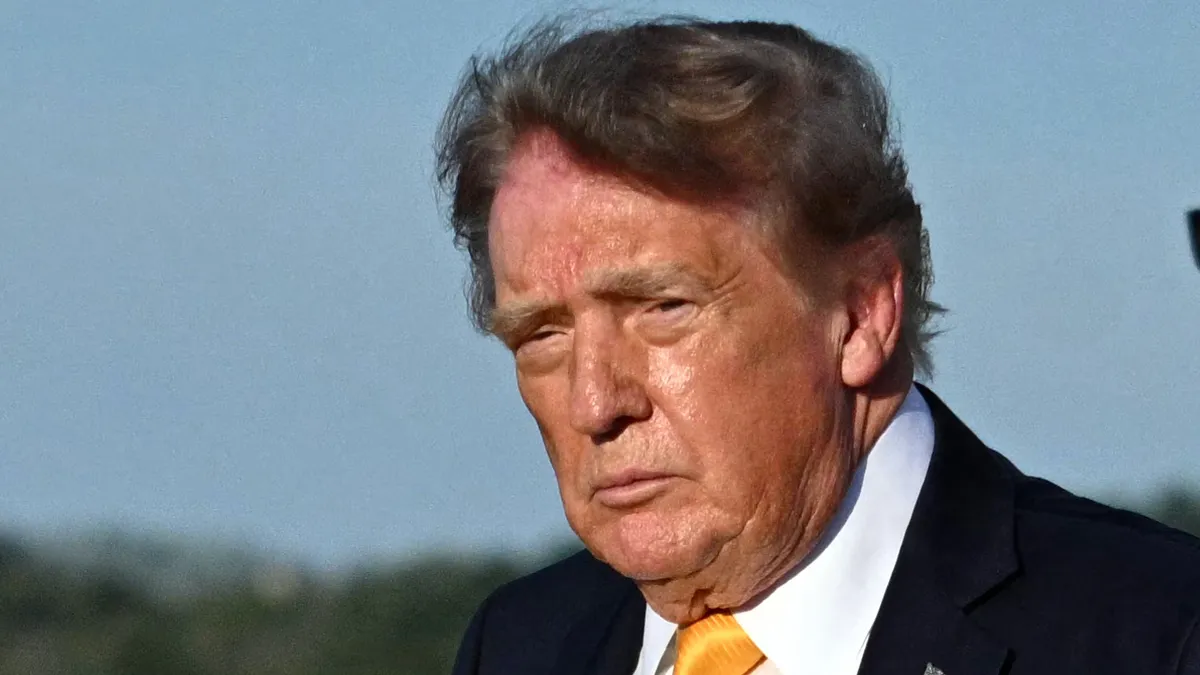
Cybersecarmor.com – The question that has haunted political commentary for years resurfaced with unusual force on a Friday afternoon in New Jersey. President Donald Trump stepped off Air Force One at Morristown Municipal Airport, bound for his golf club in Bedminster, and the cameras captured something that made millions of social media users stop scrolling: his hair looked markedly darker than the platinum-blonde shade he has worn for decades. Within hours, the images had ignited a wave of speculation, jokes, and genuine bewilderment across the internet.
What the Photos Showed
The pictures, snapped as the president exited the aircraft on September 4, depicted a noticeably brunette-toned head of hair. For a figure whose public image has been inseparable from a particular shade of blonde since his first years in the spotlight, the discrepancy was impossible to ignore. Commenters quickly divided into camps. Some insisted the difference was real and deliberate; others pointed to afternoon lighting, camera white-balance settings, or a temporary styling choice as more mundane explanations. The debate, as with every prior iteration of this topic, showed no sign of resolving itself.
Yashar Ali, a social media commentator, captured the disbelief many felt:
“If I hadn’t pulled the photos from Getty Images myself, I wouldn’t have believed it.”
Jeopardy! champion Hemant Mehta took a different tack, leaning into the absurdity with a pun that went viral:
“If everyone keeps mocking this, there will be hell toupée.”
A Denial Just Days Earlier
The timing made the photos particularly pointed. Only two days before the New Jersey landing, Trump had addressed the wig question head-on during a September 2 speech in which he recounted a 2024 campaign rally. His words carried the flat certainty of a man closing a subject he considers settled:
“I don’t wear a wig. That night, they found out I did not wear a wig because if you did, it was not going to be on your head very long.”
The remark was delivered with the implication that wind, movement, or a simple touch would have exposed any artificial arrangement. Yet the September 4 images arrived almost immediately afterward, reopening the very question he had just attempted to shut down.
A Long-Running Obsession
This is far from the first time the president’s hair has become a national talking point. In August, comedian Rosie O’Donnell, filling in for Jimmy Kimmel on ABC’s Jimmy Kimmel Live!, made the claim that Trump’s hair is a wig. She directed her joke at White House aide Natalie Harp, saying:
“You’ve got to realize it’s time to hang up your wig and let Natalie tuck you in.”
Before that, on August 5, after a speech on the economy delivered in Las Vegas, internet users noticed the president’s hair appeared fuller and thicker than usual. Journalist Aaron Rupar was among the first to flag the difference, posting:
“Is Trump rocking a wig, or what the hell is going on here?”
The pattern is familiar. Each time a photo or video seems to show a deviation from the expected look, the cycle repeats: screenshots circulate, comedians riff, partisans argue over whether anything changed at all, and the story fades until the next image arrives.
The Medical Backdrop
Beneath the jokes and the speculation sits a more clinical reality. In 2017, Dr. Harold Bornstein, Trump’s longtime physician, told The New York Times that the president took four medications each day. Among them was finasteride, a prescription drug widely prescribed for male-pattern hair loss and, separately, for an enlarged prostate gland. The Mayo Clinic describes finasteride as a medication that works by blocking the conversion of testosterone into dihydrotestosterone, thereby slowing the hormonal process that drives thinning in susceptible men.
For readers unfamiliar with the pharmacology, the presence of finasteride in a daily regimen suggests that the president has been actively managing a tendency toward thinning. Whether that management produces visible changes in density, texture, or apparent color under different lighting conditions is a question no public medical record has settled. What is settled is that the topic keeps generating headlines, and that the White House, when reached for comment on the September 4 photos, did not provide a response before publication.
Context of the Weekend
The Labor Day weekend trip to Bedminster occurred against a backdrop of escalating tension between the United States and Iran, which had intensified earlier in September. The conflict pushed average gasoline prices above four dollars per gallon during the peak travel holiday, while diesel costs climbed to record levels. For a president whose public appearances are scrutinized frame by frame, the combination of a high-profile weekend getaway and a volatile geopolitical moment amplified the attention any unusual detail in his appearance would attract.
Whether the September 4 photos represent a genuine change in hair color, a temporary styling decision, or nothing more than the interplay of late-afternoon light and camera sensors, one outcome is guaranteed: the conversation will continue until the next photograph arrives, and then it will begin again.
Related Reading
Frequently Asked Questions
What is Trump s apparent hair color change?
Trump s apparent hair color change is the main topic of this guide. The article explains the context, practical details, and next steps readers should understand.
Why does Trump s apparent hair color change matter?
Trump s apparent hair color change matters because readers are looking for a useful answer, not just a short summary. Good content should match search intent and help them decide what to do next.