Allies into foes. Foes into allies. What’s behind Trump’s world order assault?

Daftar Isi
A Decade of Disruption: How Trump’s Foreign Policy Is Rewriting the Rules of Global Power
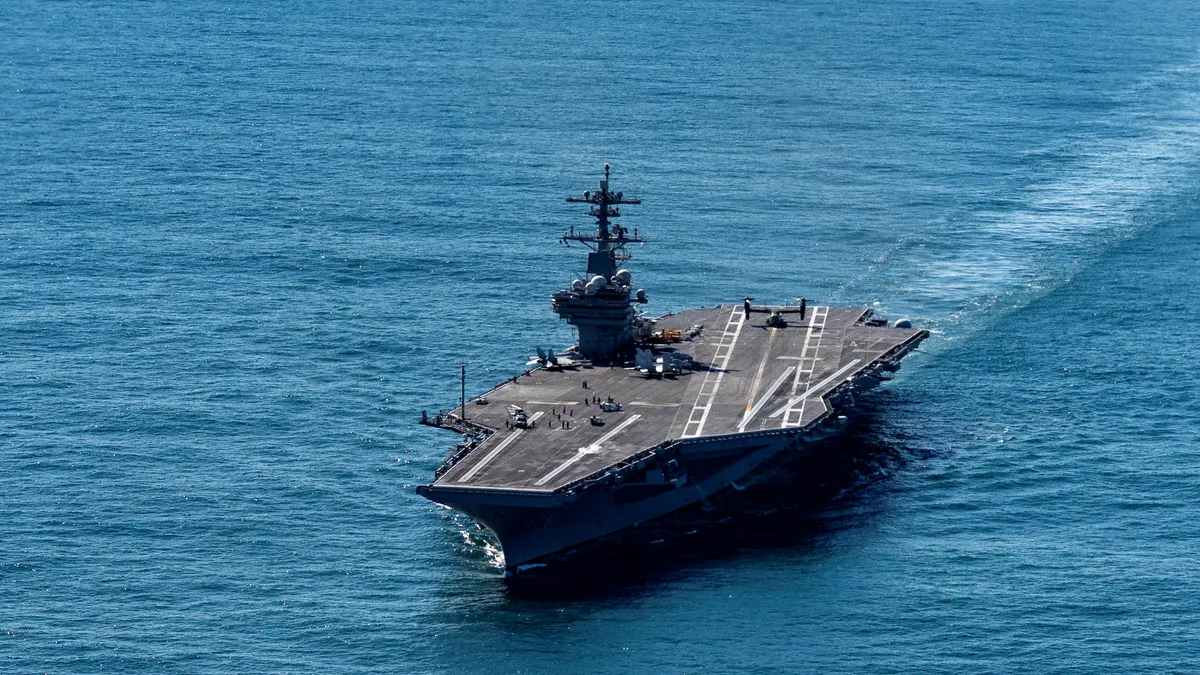
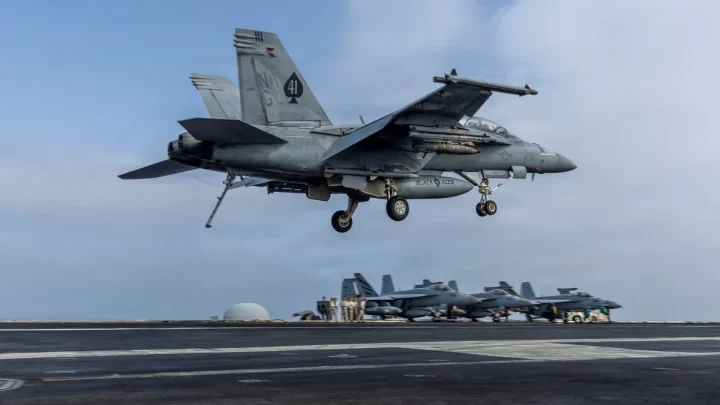
Cybersecarmor.com – From ordering strikes on Oman to threatening withdrawal from NATO, from eyeing Greenland’s strategic position to contemplating the annexation of Canada, and from deploying special forces to depose a Latin American strongman to seizing that nation’s oil fields — the past decade of Donald Trump’s engagement with international affairs has been defined by shock, unpredictability, and a deliberate dismantling of postwar norms. What began as a series of provocative statements has calcified into a sustained campaign to upend the architecture of Western alliances and multilateral institutions that have governed global security since 1945.
The question now confronting policymakers, markets, and ordinary citizens across allied nations is whether this upheaval carries a coherent strategic rationale or whether it accelerates the erosion of American dominance at precisely the moment China is closing — or in some domains has already closed — the gap in advanced technology, military capability, scientific output, and cultural influence.
The Establishment’s Alarm
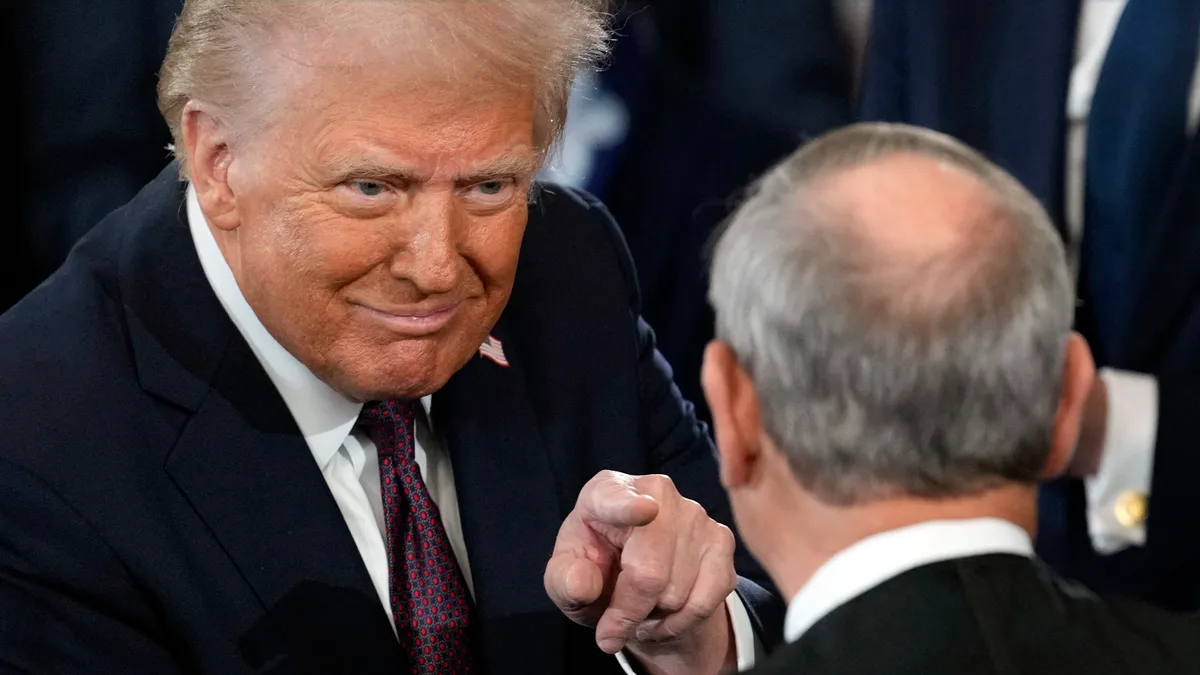
Washington’s foreign policy apparatus has reacted with what one senior scholar described as near-unanimous alarm. Lyle Goldstein, who directs the China Initiative at Brown University’s Watson School of International and Public Affairs and also leads the Asia Program at the Washington-based think tank Defense Priorities, characterized the mood among career diplomats and institutional veterans as unprecedented in his own long career.
“The establishment is apoplectic. In my career, I’ve never seen them so downcast and so convinced that our leader is making mistake after mistake.”
Goldstein, whose institution advocates for a reduced global U.S. military footprint, nonetheless offered a partial defense of the president’s instinct to question the value of existing alliance structures. He argued that America’s relative decline in living-standard metrics is partly attributable to bearing a disproportionate share of collective defense and economic costs that partner nations have been reluctant to match.
“I do agree Trump’s making a lot of mistakes. However, I have some sympathy for his skepticism of alliances. It’s obvious that one reason the United States has fallen behind in so many indicators of living standards is that we are carrying much more of the burden than other countries.”
Toward “Complex Multipolarity”
Goldstein frames the broader trajectory as a drift toward what he terms “complex multipolarity” — a configuration in which global authority disperses across several major states and regional blocs rather than remaining locked in a bipolar contest between Washington and Beijing. In his reading, Trump’s open hostility toward NATO, the United Nations, and other multilateral bodies is not merely erratic posturing but a pressure mechanism that compels other powers to fill the vacuum, thereby redistributing influence away from the two superpowers.
Whether this redistribution is permanent, irreversible, and genuinely unprecedented remains contested. Markets, which price stability above all else, have punished the volatility. European, Asian, and Middle Eastern partners have scrambled to recalibrate defense budgets, trade dependencies, and diplomatic postures in response to signals that Washington may no longer guarantee their security umbrella.
No Blueprint Yet?
Daniel Fried, who served as U.S. ambassador to Poland and as a special assistant to both Presidents Bill Clinton and George W. Bush, now offers a more skeptical assessment from his position as a fellow at the Atlantic Council. Fried contends that genuine world-order transformation requires a structured alternative to the existing system — a coherent architecture of institutions, norms, and enforcement mechanisms that replaces what is being dismantled.
“To change the world order, you’ve got to have some structure as an alternative.”
Fried expressed doubt that the current administration has settled on such a structure, or that whatever informal arrangements emerge will survive a change in White House leadership.
“I’m not sure there is one in mind or that the Trump administration has settled on what it wants. And I’m not sure how much will be lasting after the end of this administration.”
Consolidation Over Reconstruction
Dan Hamilton, a foreign policy specialist at the Brookings Institution’s Center on the U.S. and Europe in Washington, offers a third interpretation: that the president’s primary objective is not to build a new order but to consolidate American power by shedding constraints he views as self-imposed shackles.
“He believes that international rules are simply constraining. If you’re the biggest power in the world, then everybody is trying to tie you down, and you don’t like it.”
Under this reading, the executive orders of Trump’s first term — withdrawing from the Paris climate accord, exiting the Iran nuclear deal, abandoning the World Health Organization, recognizing Jerusalem as Israel’s capital and relocating the U.S. embassy there in defiance of decades of diplomatic convention — were not the opening moves of a grand redesign but the removal of perceived impediments to unilateral action.
What Comes Next
The practical implications for readers and stakeholders extend well beyond academic debate. Defense planners in Seoul, Brussels, and Riyadh are modeling scenarios in which American commitments prove conditional or revocable. Energy markets price in the possibility that U.S. forces may be redirected toward hemispheric resource grabs rather than extended deterrence. Small and mid-sized states that once relied on the American security umbrella are accelerating diversification of their own capabilities, seeking hedges against a patron whose loyalty now appears negotiable.
What remains clear is that the old playbook — the one written in the aftermath of two world wars and refined through four decades of Cold War and post-Cold War practice — has been set aside. Whether what replaces it is a deliberate new architecture, a chaotic interim, or simply the absence of rules awaiting the next administration’s preferences is the central question of the coming years.
Related Reading
Frequently Asked Questions
What is Allies into foes Foes into allies?
Allies into foes Foes into allies is the main topic of this guide. The article explains the context, practical details, and next steps readers should understand.
Why does Allies into foes Foes into allies matter?
Allies into foes Foes into allies matters because readers are looking for a useful answer, not just a short summary. Good content should match search intent and help them decide what to do next.