Their finances were tough. Then came ‘insane’ back-to-school costs

Daftar Isi
Back-to-School Prices Hit Families Hard as Tariffs and Conflict Drive Costs Higher
Cybersecarmor.com – For millions of American households, the August scramble for notebooks, pencils, and folders has taken on a new dimension this year: a financial squeeze that feels, in the words of one Utah mother, almost absurd. Families across the country are reporting that the cost of outfitting children for the new school year has climbed sharply, compounding existing pressures from inflation, elevated fuel prices tied to the ongoing war in Iran, and the ripple effects of the Trump administration’s tariff agenda on imported goods.
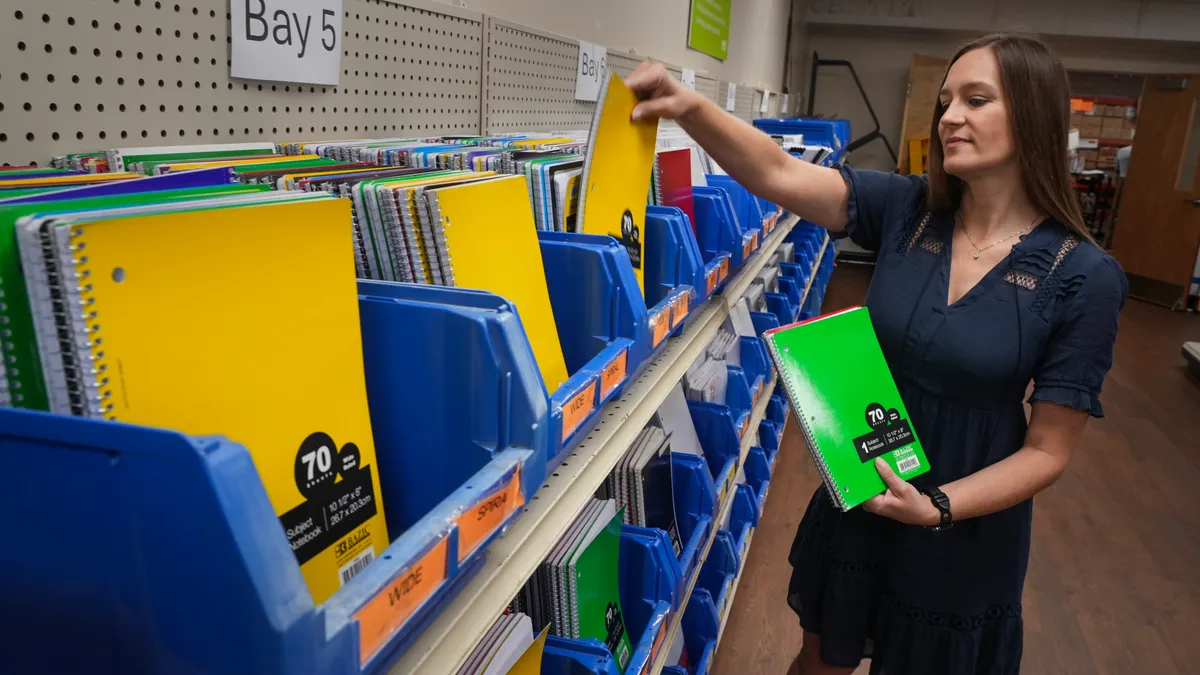
The numbers behind the squeeze are stark. An analysis jointly produced by Groundwork Collaborative and The Century Foundation, two progressive policy research organizations, pegs the price of a standard school supply list — notebooks, paper, pencils, glue sticks — at nearly $175, representing an increase of almost 8% over 2025 levels. Certain staples, including lunch boxes, notebooks, and tissues, have jumped 20% or more year over year. Electronics such as headphones climbed 6.6%, while typical lunch items registered a 10.9% increase, with price hikes spanning everything from blueberries to deli meat.
How Families Are Feeling the Pinch
Brandi McGrath, 48, of Salt Lake City, has spent years purchasing durable, quality supplies for her 9-year-old son and his teachers. This year, the price tags forced a different calculus.
“It’s insane how expensive things have gotten,” McGrath said. “I’m looking for every sale I can.”
She added that she now must juggle competing demands across her household budget.
“There’s all sorts of balancing I have to do now. Everything is squeezing us.”
McGrath, who also leads her local parent-teacher association, compared itemized receipts from last year with this year’s purchases and described being “flabbergasted by the difference.” Basic folders that cost a dollar apiece in 2025 were priced at $2.79 when she bought them this summer.
In Daytona Beach, Florida, Karin Kaiser told reporters that she and her husband spent well over $100 on notebooks and looseleaf paper alone for their two daughters — before accounting for back-to-school clothing, shoes, and haircuts.
“It is crazy,” she said.
Jenni Craig of Ormond Beach, Florida, reported spending hundreds of dollars more on supplies for her three daughters compared with last year. She described small, deliberate trade-offs to keep the total manageable.
“I said no to the $1.50 folders that are nicer simply because they have a cute cat on it,”
she explained, illustrating how even minor aesthetic upgrades have become luxuries for budget-constrained families.
The Macro Backdrop: Tariffs, Conflict, and Inflation
The Federal Reserve has noted that the tariff agenda has raised the cost of many products manufactured overseas for American consumers. Simultaneously, the war in Iran has pushed energy prices higher, feeding into broader inflation and forcing households to stretch meals and lean on debt. The convergence of these factors means that back-to-school spending lands on top of an already strained financial landscape rather than in a vacuum.
A Credit Karma survey found that 57% of parents are entering the back-to-school season carrying credit card debt, and nearly half plan to seek new credit specifically to cover school-related expenses. For families already operating at the margin, even a modest percentage increase in supply costs can tip the balance.
Corporate Price Actions and the White House Response
Major manufacturers have moved to pass costs through to consumers. Newell Brands, parent company of Sharpie, EXPO, Paper Mate, and Elmer’s glue, raised consumer prices to offset more than $170 million in tariff-related costs. ACCO Brands, which owns notebook suppliers Mead and Five Star, pointed to both tariffs and Middle East conflict as headwinds that will translate into higher retail prices.
“We do anticipate having to push through additional cost increases globally,” said Thomas Tedford, president and CEO of ACCO Brands, during a July earnings call.
White House spokesperson Kush Desai issued a statement framing the situation as temporary and tied to geopolitical normalization.
“As traffic through the Strait of Hormuz normalizes, energy prices – and thus overall inflation – will come down and real wages will rise. President Trump’s economic agenda delivered historic working-class prosperity in his first term, and this same agenda is cleaning up Joe Biden’s mess to deliver more job, wage, and investment growth.”
Consumers Adapt: Sales, Donations, and Cheaper Alternatives
With prices climbing, shoppers are recalibrating their strategies. An annual NerdWallet report found that roughly 62% of back-to-school buyers said they were likely to hunt for sales this year. A quarter of respondents planned to trim school-related spending, and 72% reported that items such as clothing, supplies, and electronics felt noticeably more expensive than in 2025.
Some families have turned to community donation drives, school-supply drives, and secondhand options. Others have simply bought the cheapest available versions of required items, sacrificing durability and quality to stay within budget. A small number told reporters they had to forgo school shopping altogether this year.
The cumulative effect is a quiet reshaping of how American families navigate the start of each academic year. What was once a straightforward errand — a trip to the store for a handful of staples — has become, for many households, a negotiation with a budget that offers little room to absorb another percentage-point increase. As the new school year approaches, the question for millions of parents is no longer just what their children need, but what they can afford.
Related Reading
Frequently Asked Questions
What is Their finances were tough Then came?
Their finances were tough Then came is the main topic of this guide. The article explains the context, practical details, and next steps readers should understand.
Why does Their finances were tough Then came matter?
Their finances were tough Then came matters because readers are looking for a useful answer, not just a short summary. Good content should match search intent and help them decide what to do next.