Trump admin calls threat against his Turkey flight an assassination attempt

Daftar Isi
White House Elevates Turkey Flight Incident to AssassAttempt Status in Supreme Court Filing
Cybersecarmor.com – The Trump administration has formally classified a missile threat encountered during the president’s departure from a NATO summit in Turkey as an assassination attempt, marking a significant escalation in how the White House characterizes recent security challenges. This designation emerged through an official court document submitted on August 14, which simultaneously sought to reverse a lower court’s decision regarding construction of a new White House ballroom facility.
A Secret Departure Under Threat
The incident unfolded during the NATO conference held in Turkey, where President Trump had traveled aboard a specially donated aircraft from Qatar. Unlike the traditional Boeing 747 that typically transports the president, this vessel lacked certain security features present on previous presidential flights. When Trump initially announced plans to depart using an older Air Force One aircraft, observers expected a straightforward transition. Instead, the president executed a covert exit strategy, slipping away from the designated plane concealed within a catering truck alongside several trusted aides before boarding a separate military jet for his journey home.
“I guess there was a threat out there,” Trump told reporters afterward. “I didn’t really ask too much about it. I get a lot of threats.”
While the president downplayed the incident publicly, the administration’s subsequent legal filing revealed the gravity of the situation. Solicitor General John Sauer, representing the government before the Supreme Court, explicitly referenced “the threat of a missile attack against Air Force One on July 8” as justification for enhanced security measures at the White House complex.
Legal Battle Over Ballroom Construction
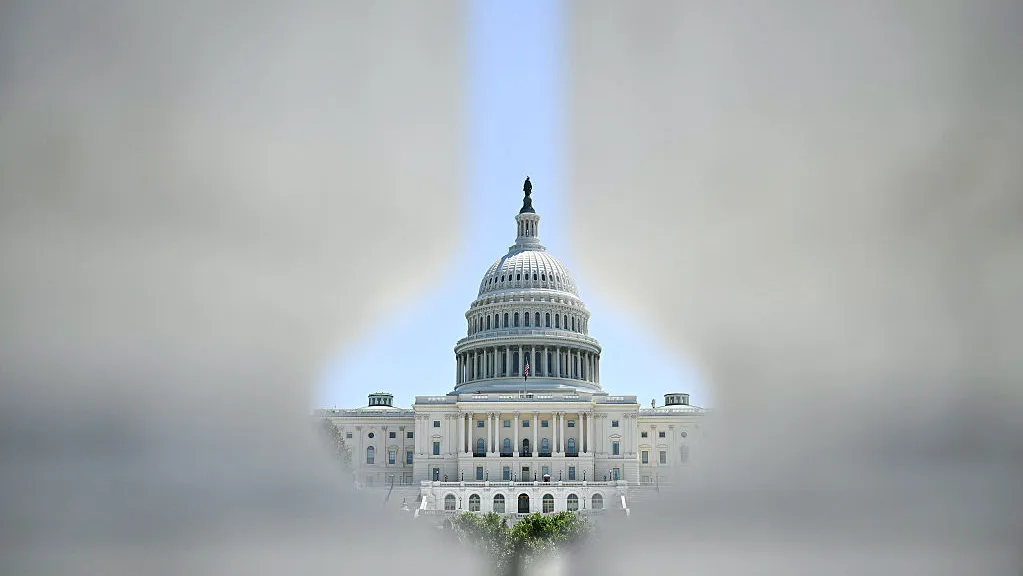
The assassination attempt designation appears within a broader legal strategy concerning the White House renovation project. U.S. District Judge Richard Leon initially halted construction of the ballroom in March, citing insufficient congressional authorization for the work. The D.C. Circuit Court of Appeals maintained this restriction in August, though Leon clarified that his order targeted only aboveground construction activities.
Underground security infrastructure could proceed despite the appellate court’s decision. Leon’s amended order specifically preserved the ability to continue building national security facilities beneath the surface, including work essential for presidential protection and security of the construction site itself.
“The President of the United States of America is not a tenant, but rather the sole, elected head of the Executive Branch, and Congress has authorized him to renovate, secure, and protect the White House and its grounds, as other Presidents have been allowed to do, without exception,” Sauer told the high court.
A Pattern of Threats Documented
Sauer’s filing cataloged multiple security incidents targeting the president, establishing a comprehensive record that supports the administration’s position. Beyond the July 8 missile threat, the document referenced the gunman who breached security at the White House Correspondents’ Association dinner in April, the individual who opened fire at the west entrance of the White House complex, and a conspiracy involving drones at the UFC Freedom 250 event held on the South Lawn in June.
Additional incidents included a gunman apprehended after surveilling Trump’s Palm Beach golf course and the 2024 shooting that wounded the president in the ear during a campaign rally in Butler, Pennsylvania. Trump had previously stated at a July 8 news conference during the NATO conference that he was “No. 1 on the kill list for Iran,” though the court filing provided formal administrative acknowledgment of the threat’s severity.
Security Infrastructure Under the Ballroom
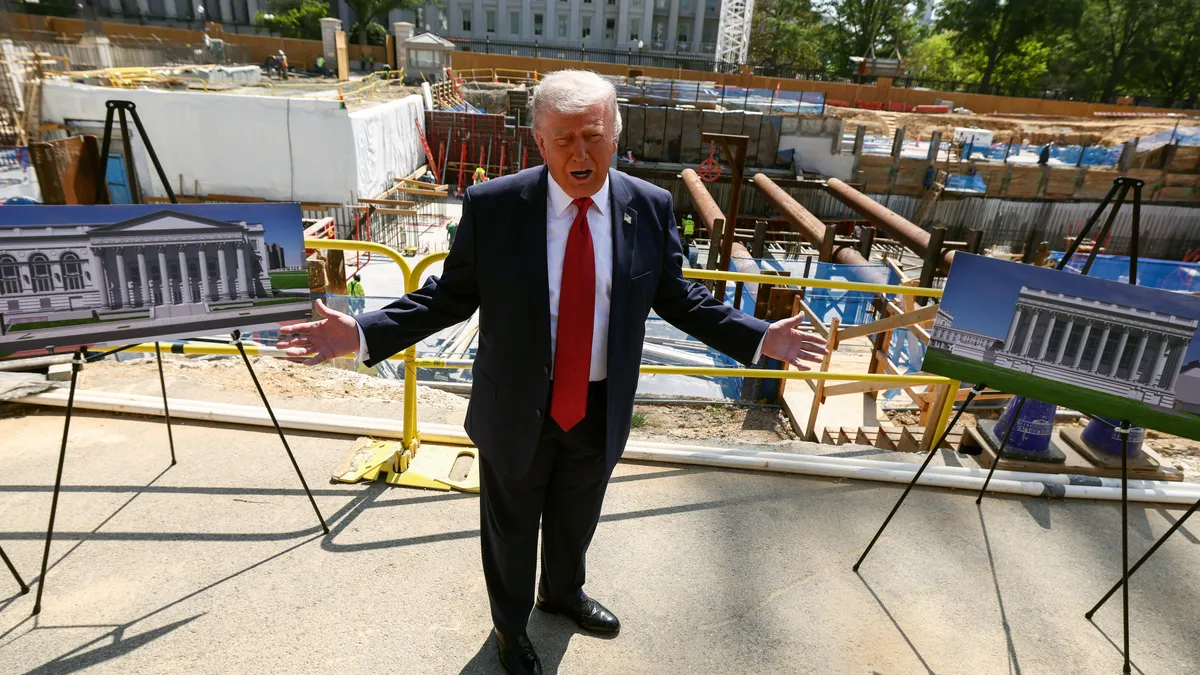
The ballroom construction project encompasses more than ceremonial space. Plans include bomb shelters, a state-of-the-art medical facility, and top-secret military structures and equipment positioned beneath the ballroom. These underground installations represent critical components of presidential security infrastructure that Leon’s order allowed to continue despite the appellate court’s restrictions on aboveground work.
The Supreme Court’s consideration of this case carries implications beyond the immediate construction dispute. By elevating the Turkey flight incident to assassination attempt status and documenting a pattern of threats, the administration presents a compelling argument that enhanced security measures are not merely desirable but essential for protecting the nation’s chief executive. The justices’ decision could establish precedent for how presidential security needs are evaluated in relation to congressional authorization and judicial oversight of White House renovations.
Related Reading
Frequently Asked Questions
What is Trump admin calls threat against his Turkey?
Trump admin calls threat against his Turkey is the main topic of this guide. The article explains the context, practical details, and next steps readers should understand.
Why does Trump admin calls threat against his Turkey matter?
Trump admin calls threat against his Turkey matters because readers are looking for a useful answer, not just a short summary. Good content should match search intent and help them decide what to do next.