Trump admin’s antisemitism lawsuit against Harvard thrown out by judge

Daftar Isi
Harvard Escapes Federal Antisemitism Lawsuit as Judge Finds Issues Were Isolated Rather Than Systemic
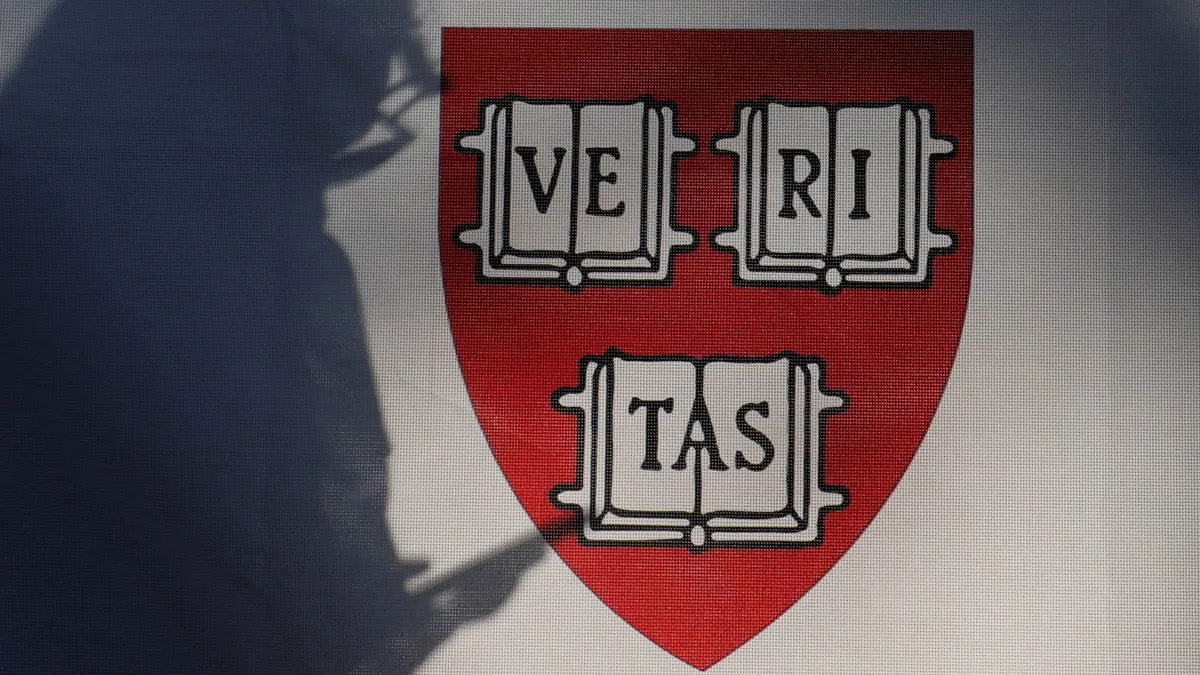
Cybersecarmor.com – A federal court has dismissed a civil rights action initiated by the Trump administration against Harvard University, concluding that the allegations of antisemitism and discrimination lacked the breadth necessary to demonstrate institutional failure. Judge Richard Stearns of Massachusetts delivered the decision on August 13, 2026, ruling that the problems identified by the government were too scattered and occasional to warrant a finding of “institutionalized noncompliance” with federal civil rights statutes. The lawsuit, originally filed on March 20, 2026, accused the prestigious Cambridge institution of ignoring hostility directed at Jewish students and Israeli supporters. Stearns, who was appointed to the bench by President Bill Clinton, emphasized that his judgment addressed only the particular facts presented in this specific case rather than establishing a broader precedent for all similar claims.
Timeline of Alleged Incidents
The government’s case centered on student experiences that emerged after the October 7, 2023, Hamas assault on Israel. According to court filings, the Trump administration characterized a collection of events as “severe, pervasive, and objectively offensive harassment” targeting Jewish members of the campus community. The complaint identified several categories of grievances. Jewish students reportedly faced deliberate exclusion from demonstrations concerning the conflict in Gaza. Additionally, the lawsuit claimed that antisemitic content appeared on a campus messaging application. Administrators were also accused of failing to respond adequately to formal complaints submitted by Jewish students. Stearns noted, however, that the incidents cited by the government were “almost entirely” confined to the 2023 and 2024 academic year. Only three additional episodes occurred outside that window, all taking place in March 2025. This temporal concentration played a significant role in the judge’s determination that the problems were episodic rather than embedded within Harvard’s institutional practices.
Harvard’s Defense and Legal Arguments
In court documents requesting dismissal, Harvard presented a multifaceted defense. The university argued that the federal government had “publicly declared improper motives” for pursuing the litigation. Furthermore, Harvard characterized the lawsuit as one component of “a year-long campaign to burden Harvard’s First Amendment rights.” The concept of “institutionalized noncompliance” requires demonstrating that violations are not merely isolated incidents but reflect a pattern of systemic failure. Stearns found that while individual incidents warranted attention, they did not collectively establish that Harvard had systematically disregarded its obligations under federal civil rights law.
Broader Implications for Higher Education
This ruling arrives amid heightened scrutiny of universities across the nation regarding their handling of campus climate issues. The decision may influence how federal agencies approach similar cases against educational institutions. By requiring evidence of widespread, ongoing problems rather than sporadic occurrences, the judgment sets a higher threshold for proving institutional liability. Harvard’s emphasis on First Amendment concerns also reflects ongoing tensions between free speech protections and anti-discrimination enforcement. The university’s argument that the lawsuit represented political motivation rather than genuine civil rights enforcement adds another layer to the debate about how such cases should be evaluated.
What the Ruling Means Going Forward
The dismissal does not necessarily preclude future action if new evidence emerges demonstrating a more comprehensive pattern of noncompliance. Stearns made clear that his decision remained “limited to the specific circumstances” of this particular case. Should the Trump administration or subsequent federal governments identify additional incidents or develop new evidence of systemic issues, they could potentially pursue similar legal avenues. For Harvard students and faculty, the ruling provides temporary relief from federal oversight while the broader conversation about campus antisemitism continues. The case highlighted legitimate concerns about student experiences but ultimately fell short of meeting the legal standard required for institutional liability.
The incidents the Trump administration described were “almost entirely” limited to the 2023 and 2024 school year, and the only three other incidents described took place in March of 2025.
The decision underscores the importance of temporal context in civil rights litigation. While individual incidents may be serious, proving that an institution has failed in its obligations requires demonstrating that problems are widespread, persistent, and reflective of institutional practices rather than isolated occurrences.
Related Reading
Frequently Asked Questions
What is Trump admin s antisemitism lawsuit against?
Trump admin s antisemitism lawsuit against is the main topic of this guide. The article explains the context, practical details, and next steps readers should understand.
Why does Trump admin s antisemitism lawsuit against matter?
Trump admin s antisemitism lawsuit against matters because readers are looking for a useful answer, not just a short summary. Good content should match search intent and help them decide what to do next.