Raygun feared ‘whole world could laugh’ before Olympic breakdance | Exclusive

Daftar Isi
From Academic to Olympic Stage: Raygun’s Journey Through Global Scrutiny
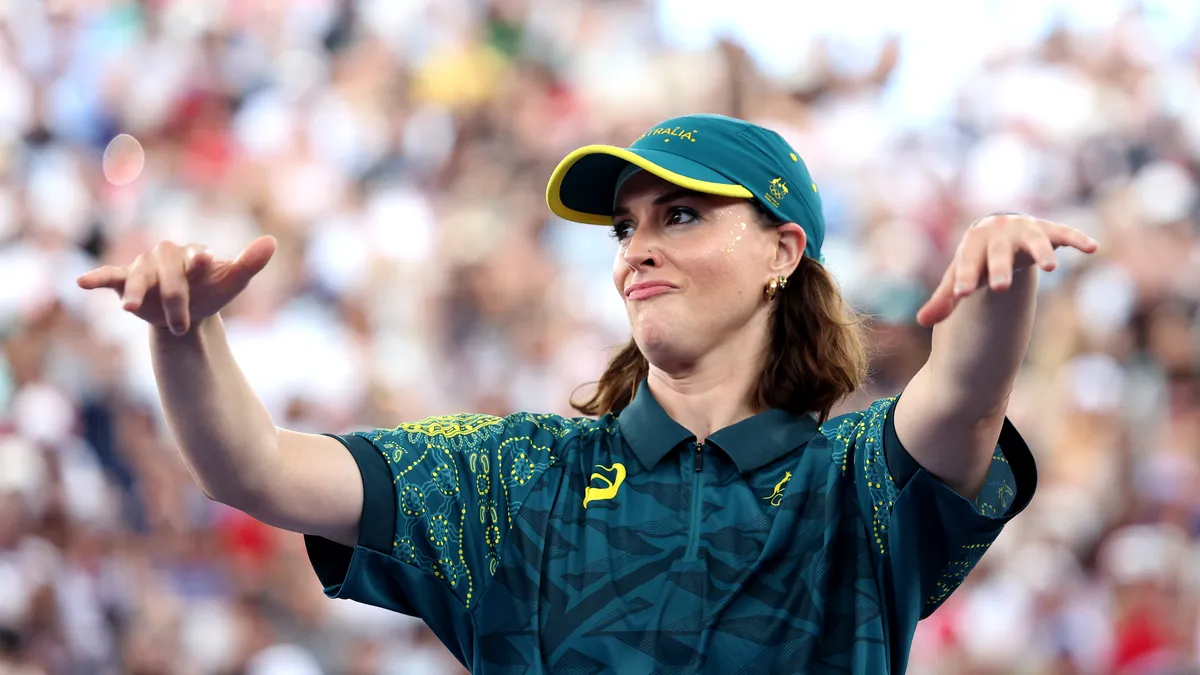
Cybersecarmor.com – The world of breakdancing found itself under unprecedented magnification when Australia’s Rachael Gunn, known professionally as Raygun, stepped onto the Olympic floor. Her performance at the Paris Games has since become one of the most discussed moments in recent sporting history, and now a new documentary offers an intimate look at what she experienced. The Netflix series titled “Untold Raygun: Breaking Badly” arrives on September 1, providing viewers with unprecedented access to the competitor’s emotional state in the days leading up to her historic appearance. Born Rachael Gunn, the 38-year-old Australian faced a moment that would test her resilience on a global stage.
A New Olympic Discipline Captures the World’s Attention
Breakdancing made its Olympic debut at the 2024 Paris Games, held at the iconic Place de la Concorde. On August 9, 2024, Gunn competed in what would become a defining moment for both herself and the sport. Her competition consisted of three rounds against dancers from America, France, and Lithuania. Despite giving her all, she failed to accumulate any points during her performance. What made her appearance particularly memorable was her incorporation of Australian cultural elements, including dance moves that referenced the country’s iconic kangaroo. These movements quickly spread across social media platforms, generating millions of views and transforming her into an unlikely internet sensation. The viral moment even reached beyond sports circles. British singer Adele, performing at a concert in Munich, publicly praised Gunn’s routine, calling it “the best thing that’s happened in the Olympics the entire time.” This endorsement from one of the world’s most celebrated musicians helped shift public perception in Gunn’s favor.
Personal Struggles Behind the Public Performance
In the documentary trailer, Gunn opens up about her mental state before competing. “Right before the Olympics, I went to my therapist, panicked,” she reveals. Her therapist’s response captured the essence of her fears: “‘What’s the worst that could happen?’ ‘The whole world could laugh at me!’ She’s like, ‘Do you think that’s reasonable?'” This conversation highlights the pressure Gunn faced not just as an athlete, but as someone stepping into uncharted territory. Her background as an academic made her journey even more remarkable. She earned her Ph.D. at Macquarie University, where she also worked as a lecturer before pursuing her Olympic dreams. When she first announced her intention to compete, those closest to her were surprised. Her father, when asked in the documentary whether he ever associated the word “Olympian” with “Rachel” during her childhood, couldn’t help but laugh. “Sorry, not the right reaction, is it?” he offered with characteristic warmth. Her mother admitted the thought “never” crossed her mind.
Public Reaction and the Evolution of Perception
Gunn’s journey from academic to B-girl didn’t go unnoticed. The documentary shows how people questioned her selection process, with some wondering whether her husband, Samuel Free—a fellow breakdancer—had helped her qualify for the team. A petition appeared on Change.org demanding that authorities “hold Raygun accountable” and calling for an investigation into her selection. The petition collected more than 55,000 signatures before being removed. The Australian Olympic Committee responded with a statement explaining that Gunn had been selected through “a transparent and independent qualification event and nomination process.” The public reaction evolved over time. “Some of the memes were funny,” Gunn acknowledges in the documentary. “Then the tone started to change.” She describes the phenomenon as “this growing monster,” capturing how quickly online sentiment can shift.
Reflection and Moving Forward
On August 15, 2024, just days after her Olympic appearance, Gunn addressed the public directly in a video shared on Instagram. “I really appreciate the positivity, and I’m glad I was able to bring some joy into your lives. That’s what I hoped,” she said. “I didn’t realize that that would also open the door to so much hate, which has, frankly, been pretty devastating. I went out there, and I had fun. I did take it very seriously. I worked my butt off preparing for the Olympics, and I gave my all. Truly.” Her candid reflection demonstrates both vulnerability and strength. Gunn describes herself as “a dorky white woman who’s an academic” who also happens to be “a B-girl,” embracing both identities without apology. The documentary promises to explore not just the Olympic moment, but the broader journey that brought her to that stage. For many viewers, it offers an opportunity to understand the human story behind what became one of the most talked-about Olympic performances in recent memory. As breakdancing continues to grow in popularity, Gunn’s story serves as an inspiration for those pursuing unconventional paths. Her willingness to face the world’s attention, whether positive or negative, demonstrates the courage required to step into the spotlight and give your best performance, regardless of the outcome.
Related Reading
Frequently Asked Questions
What is Raygun feared whole world could laugh?
Raygun feared whole world could laugh is the main topic of this guide. The article explains the context, practical details, and next steps readers should understand.
Why does Raygun feared whole world could laugh matter?
Raygun feared whole world could laugh matters because readers are looking for a useful answer, not just a short summary. Good content should match search intent and help them decide what to do next.