He posted about this controversial medical test. Then came the backlash

Daftar Isi
Full-Body MRI Scans: Life-Saving Tool or Expensive Overdiagnosis?
Cybersecarmor.com – The idea of a comprehensive health checkup sounds appealing to anyone concerned about their well-being. Imagine lying on a sleek examination table while a powerful machine maps every inch of your anatomy, revealing hidden conditions before symptoms appear. This vision has gained traction among wellness enthusiasts and has recently sparked debate after a prominent neuroscientist publicly endorsed the practice.
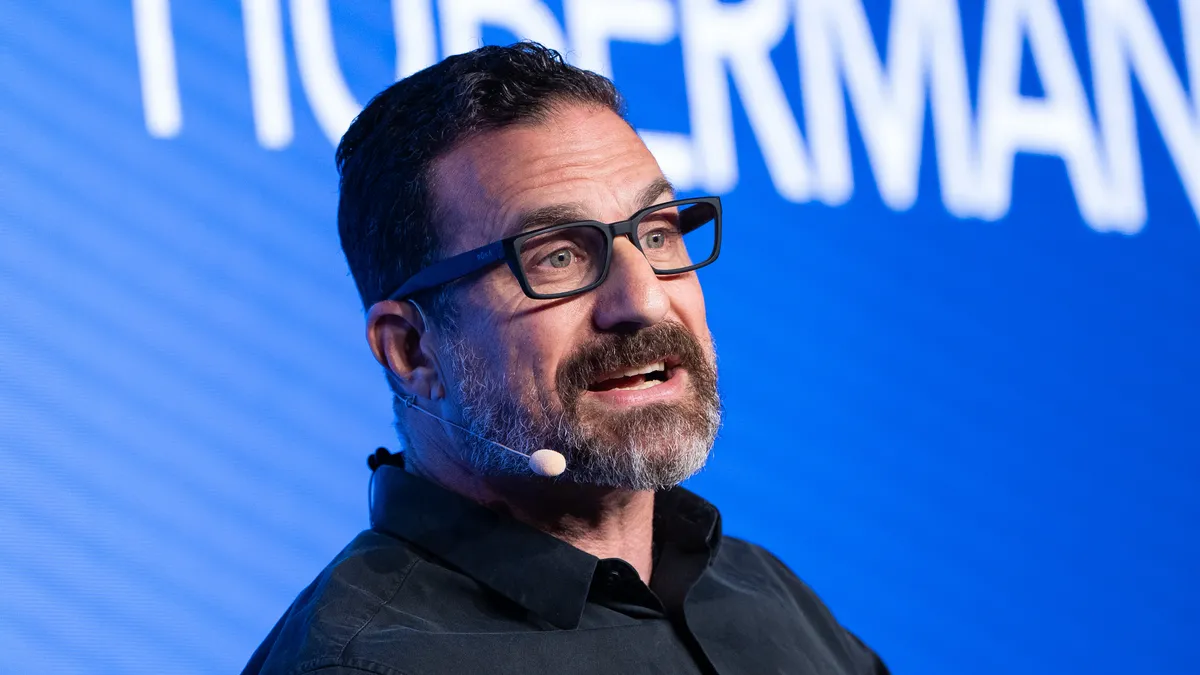
Andrew Huberman, a Stanford neuroscientist and popular podcast host, shared his perspective on full-body magnetic resonance imaging on August 1. His comments generated significant discussion across medical professionals and the general public alike.
“The whole body MRI thing is controversial for obvious reasons,” Huberman wrote on X earlier this month. “It’s costly & there are a lot of false positives. But I have neurosurgeon friends who tell me they do life-saving surgeries every month b/c people got full body MRI merely b/c they curious & found operable issues.”
Huberman’s endorsement carries weight given his influence in the health and wellness space. However, his connection to the industry is worth noting. He serves as a scientific advisor for Function Health, a company providing full-body MRI services alongside other healthcare offerings. A disclaimer on his personal website acknowledges that he “receives financial compensation” and “other sponsored content” from the organization.
Medical Experts Push Back
Physicians quickly responded to Huberman’s claims with considerable skepticism. Dr. Sanjay S Dhall, a neurosurgeon at UCLA, was particularly blunt in his assessment.
“Neurosurgeon here,” Dr. Dhall wrote on X. “This is hogwash.”
Dr. Anthony DiGiorgio, associate professor of neurological surgery at UCSF, echoed similar sentiments. He stated that he has never once operated on any incidental “life saving” lesion discovered through whole body MRI screening.
Dr. Brandon Luu, an internal medicine physician, provided a more measured perspective. He acknowledged that he has watched many patients die of cancer who might have survived with earlier detection. However, he emphasized that there is no simple answer to whether routine screening prevents such outcomes.
What the Research Shows
Scientific studies reveal an important distinction between finding abnormalities and discovering actual disease. A 2020 study demonstrated that 95 percent of asymptomatic patients exhibited some form of abnormal finding on full-body MRI scans. Yet only 1.8 percent of those findings represented genuine cancer diagnoses.
Research has varied considerably regarding the frequency of incidental findings from these comprehensive scans. The core issue lies in determining which abnormalities require intervention and which can safely be monitored or ignored.
“As a neurosurgeon, there are very few things we operate on if they are truly asymptomatic,” DiGiorgio explained in an interview. “Unruptured intracranial aneurysms are probably the only one. Even then, the data on number needed to treat for treatment to be effective is extremely difficult to determine.”
Cost, Availability, and Clinical Maturity
Dr. Manjiri Dighe, professor of radiology at the University of Washington School of Medicine, characterized whole body MRI as being in its clinical infancy. She noted that while the technology is noninvasive and highly sensitive, it lacks the large-scale longitudinal data required to demonstrate that it saves more lives than it complicates through overdiagnosis.
The financial barrier remains substantial for most Americans. These tests range from several hundred to several thousand dollars depending on which body sections receive attention. Insurance companies typically do not cover the expense, making the procedure a luxury rather than an evidence-based medical necessity for the average person.
Dr. DiGiorgio added that he personally does not encounter many incidental lesions on whole body MRI that require intervention. He acknowledged that some colleagues may see more cases, but described such occurrences as incredibly rare.
Who Benefits and Who Pays the Price
Dr. DiGiorgio observed that individuals pursuing full-body MRI tend to be relatively healthy to begin with. Those willing to invest heavily in preventive screening or AI longevity subscriptions typically demonstrate proactive health management behaviors.
“The people who tend to take these steps are usually pretty healthy to begin with,” he said. “So if somebody’s going to spend all this money on a whole-body MRI or an AI longevity subscription, they’re probably someone that’s looking after their own health.”
Dr. Francis Deng, associate professor of radiology and radiological science at Johns Hopkins University of Medicine, raised concerns about the broader implications. She cautioned that popularizing direct-to-consumer whole body MRI without established medical indications could siphon critical medical resources away from patients with genuine clinical needs.
While Huberman did not immediately respond to requests for comment, the debate continues to unfold. Medical professionals generally agree that patients may certainly pursue comprehensive screening if they can afford it and understand the limitations. The question remains whether the potential benefits justify the costs, the anxiety generated by false alarms, and the possibility of unnecessary interventions triggered by incidental findings that would never have caused harm.
Related Reading
Frequently Asked Questions
What is He posted about this controversial medical?
He posted about this controversial medical is the main topic of this guide. The article explains the context, practical details, and next steps readers should understand.
Why does He posted about this controversial medical matter?
He posted about this controversial medical matters because readers are looking for a useful answer, not just a short summary. Good content should match search intent and help them decide what to do next.