Sen. Moreno says ex-son-in-law should leave Congress amid abuse allegations

Daftar Isi
Ohio Senator Calls for Congressman to Step Down Following Family Abuse Claims
Political Fallout Deepens as Miller Defends Reelection Bid
Cybersecarmor.com – Republican Congressman Max Miller of Ohio has announced he will remain in his reelection campaign despite mounting domestic abuse allegations from his former wife. The decision, revealed on August 2, comes as Miller continues to reject accusations made by Emily Moreno, who is also the daughter of Senator Bernie Moreno.
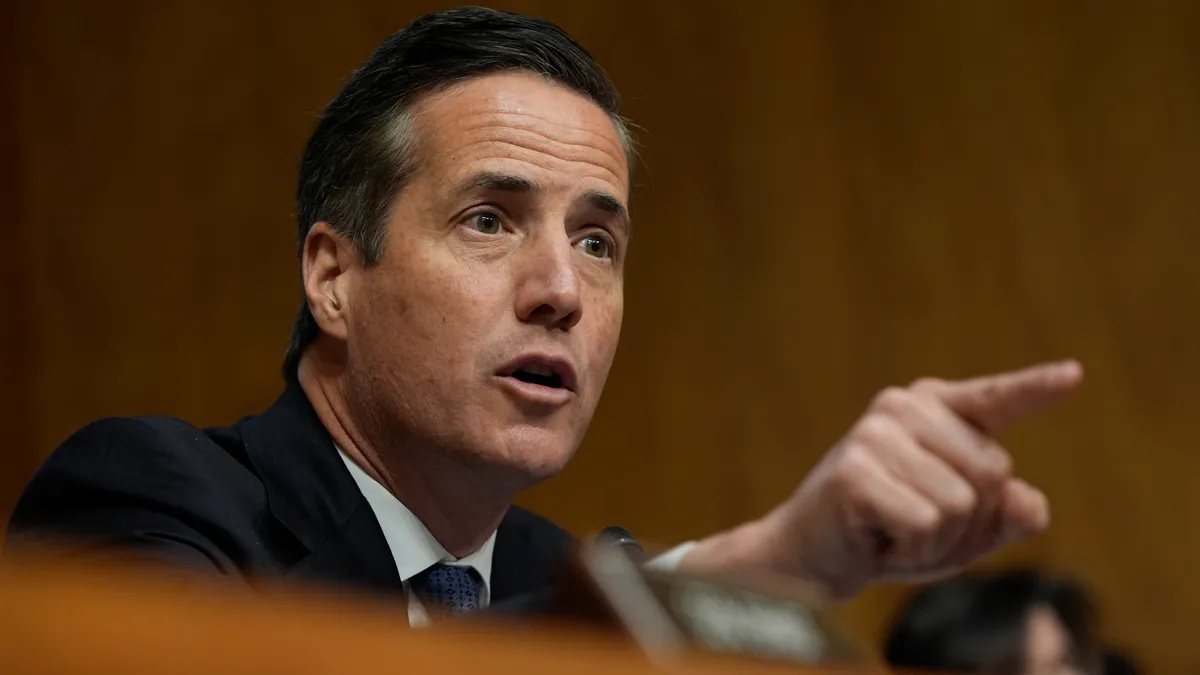
The Ohio senator has now publicly addressed the situation for the first time, stating that his former son-in-law should leave his congressional position. In a formal statement, Moreno expressed that Miller needs to “seek professional help” given the ongoing pattern of behavior that has affected multiple family members.
“Out of concern for the safety of my family, I hoped to keep this matter private but Max Miller’s increasingly erratic and dangerous behavior has made that impossible,” Moreno explained in his statement posted on X.
According to Moreno, the past two years have been particularly difficult for his household. He described this period as “pure hell” while emphasizing that Miller no longer meets the character standards expected of someone holding elected office. The senator noted that Miller has created a “clear pattern of abuse” that extends beyond his immediate family.
Emily Moreno has made several serious accusations against her ex-husband. She claims that Miller scalded her with hot water and once held a gun to her head during a confrontation. Additionally, she has alleged that their two-year-old daughter was harmed during one of these incidents.
Miller’s decision to stay in the race means he will face Democratic challenger Brian Poindexter in November. Republican party officials have until August 5 to remove Miller from the ballot if they choose to do so. This deadline represents the final opportunity for party leadership to make changes before voters cast their ballots.
Legal Actions and Additional Allegations Surface
Legal proceedings have already begun in connection with these claims. In May, Miller initiated a defamation lawsuit against Emily Moreno and her attorney, Andrew Zashin. The congressman maintains that the accusations against him are false and damaging to his reputation.
Beyond the family matters, another woman has come forward with similar concerns. Stephanie Grisham, who worked as White House press secretary during President Donald Trump’s first term, has also alleged that Miller physically abused her during their romantic relationship. Like the accusations from Moreno’s daughter, Miller has denied these claims.
“If my daughter said the same thing to me, I personally wouldn’t wait two years before holding him accountable. You know this isn’t true,” Miller responded in his statement on X.
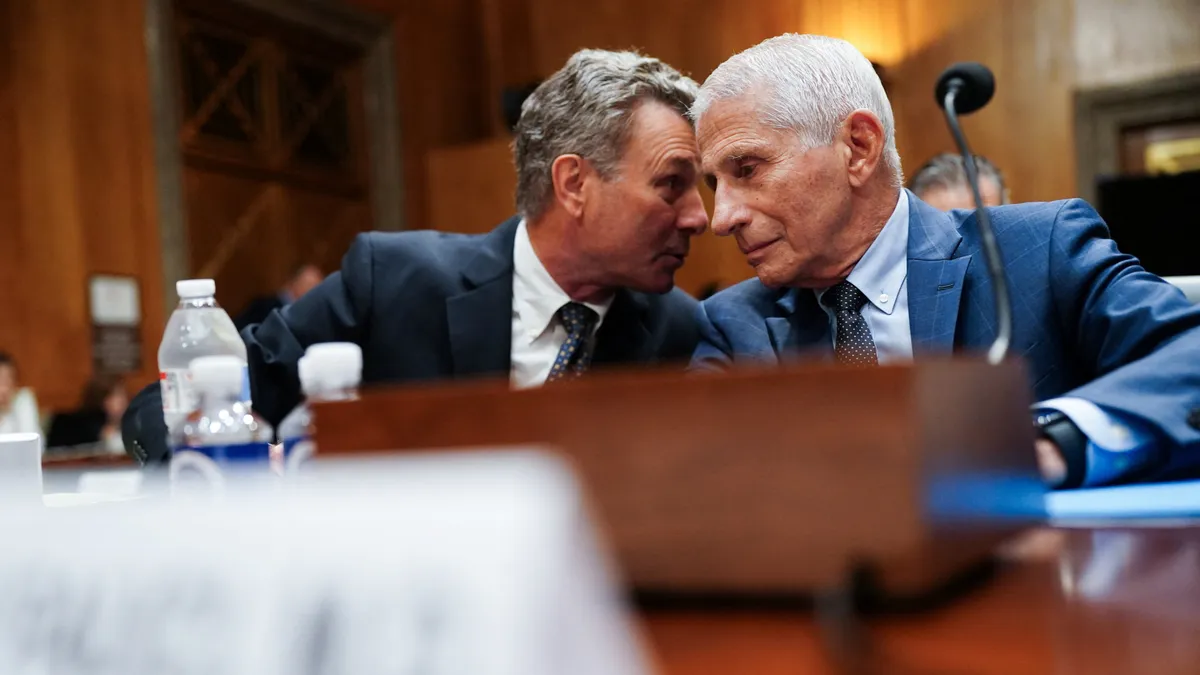
Miller characterized his former father-in-law’s public statement as entirely political in nature. He suggested that Moreno’s timing was motivated by a desire to divert attention from his own recent media controversies. The senator had gained considerable attention the previous week for using explicit language while questioning Dr. Anthony Fauci during a congressional hearing about the COVID-19 pandemic.
The senator also expressed ongoing concern for his daughter’s wellbeing. He stated that he “holds his breath every minute” when Miller has custody of his granddaughter. This parental worry adds another dimension to the public dispute between the two Ohio Republicans.
As the political community watches these developments unfold, the situation represents more than just a personal family matter. It raises questions about accountability, character standards for public officials, and the timing of when allegations should be addressed. The coming weeks will determine whether Miller remains on the ballot or if Republicans choose to replace him before the November election.
Related Reading
Frequently Asked Questions
What is Sen Moreno says ex son in law?
Sen Moreno says ex son in law is the main topic of this guide. The article explains the context, practical details, and next steps readers should understand.
Why does Sen Moreno says ex son in law matter?
Sen Moreno says ex son in law matters because readers are looking for a useful answer, not just a short summary. Good content should match search intent and help them decide what to do next.