
‘Unacceptable’: Israeli community anger over public support for Kanye West concert in Portugal
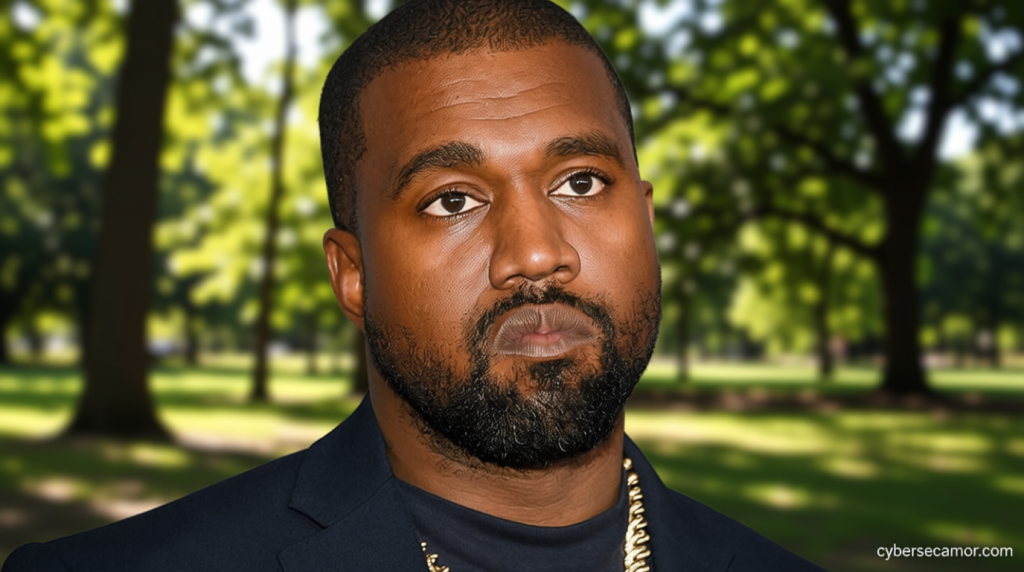
‘Unacceptable’: Israeli Community Frustrated by Public Backing of Kanye West Concert in Portugal
Unacceptable – In Portugal, the Israeli Community of Lisbon (CIL) has voiced its disapproval of Kanye West’s upcoming concert in the Algarve, citing concerns over the use of public funds and facilities. The event, set to take place at the Algarve Stadium on 7 August, has drawn criticism from the community, which argues that the state is enabling anti-Semitic initiatives through its financial support. The CIL has directed formal requests to the Faro and Loulé city councils, as well as the national government, urging them to withhold backing for the performance.
The Israeli community’s discontent stems from the belief that public resources are being allocated to an event featuring an artist with a documented history of anti-Semitic rhetoric. David Botelho, the CIL’s president, has been vocal about the issue, stating that the state’s support for Kanye West’s concert represents a “normalising” of backing for individuals who promote hate speech. In an interview with the Portuguese news agency Lusa, Botelho described the situation as a troubling precedent, emphasizing that the use of public venues for such events undermines the principles of inclusivity and tolerance.
Public Venues and Anti-Semitic Concerns
Botelho highlighted the irony of hosting an anti-Semitic artist in a public facility, which he argued is meant to serve all citizens. “It is shocking to see public resources being mobilised for this event,” he remarked. “This is not only allowing a well-known anti-Semite to perform in Portugal, but also utilising a stadium that belongs to the entire population.” The president of CIL further stated that the event symbolises an “unacceptable normalisation of something that cannot be normalised—namely, hate speech.” This assertion underscores the community’s belief that the concert is a deliberate effort to legitimise controversial ideologies.
“The signs of anti-Semitism, hate speech directed at Jews, denial of the Holocaust, and public praise of Hitler and Nazism by the individual in question are notorious,” Botelho added. His comments reflect a broader sentiment among Portuguese Jews, who feel that the state’s decision to fund the concert sends a message of endorsement to harmful speech.
Botelho’s concerns are not unfounded, as Kanye West has been a frequent target of criticism for his inflammatory remarks. His recent European tour has seen several cancellations, particularly in countries where anti-Semitic tensions have been rising. France, Poland, and Switzerland have either postponed or scrapped his performances, while the UK has taken a stronger stance by refusing him a visa. These actions highlight the growing unease among European nations about the artist’s rhetoric, which includes references to Jewish stereotypes and Holocaust denial.
Despite this, Portugal remains a key stop on Kanye West’s European itinerary. However, the CIL has been proactive in its opposition, seeking to prevent the government from providing any form of support. So far, the municipalities involved have not responded to their appeals, leaving the community uncertain about the outcome. Botelho’s frustration is palpable, as he feels the state is prioritising artistic expression over the values of multiculturalism and respect.
Kanye’s Impact and the Broader Movement
West’s anti-Semitic comments have not only sparked public outrage but have also affected his professional standing. He has lost significant advertising contracts and endorsements, with fans questioning his credibility. Yet, his performances continue to attract large audiences, raising concerns about the influence of his rhetoric on public perception. The CIL’s stance is part of a larger movement within the Jewish community to hold artists accountable for their statements, particularly when they are performed in public spaces funded by taxpayer money.
“There have been countries that have clearly said: this gentleman does not enter,” Botelho explained. He acknowledged that some nations have taken decisive action, such as denying entry or cancelling events, but stressed that the Israeli community in Portugal does not want to impose similar measures. “Even though such action could be justified, we are seeking a balanced approach,” he noted.
The Algarve concert is seen as a test case for how Portugal handles anti-Semitic content in its cultural events. While the government has not yet committed to taking action, the CIL remains vigilant. They argue that supporting the event would signal acceptance of hate speech, which could have long-term implications for the Jewish community. Botelho’s statements reflect a growing demand for transparency and accountability in public funding decisions.
Meanwhile, Kanye West’s tour continues, with the Algarve Stadium as a prominent venue. The concert is expected to draw significant attention, especially given the artist’s global popularity. However, for the Israeli community, the event represents a broader challenge to their sense of security and representation. They view the use of public facilities as a critical issue, one that requires careful consideration before proceeding.
Botelho’s criticism is part of a wider discourse on the role of public institutions in endorsing controversial figures. The Israeli community believes that the government should act as a guardian of values, not a facilitator of prejudice. Their request for support withdrawal highlights the importance of aligning cultural events with social responsibility. The situation in Portugal is now a focal point for discussions on how to balance artistic freedom with the need to combat hate speech.
As the concert date approaches, the CIL’s efforts to raise awareness are gaining momentum. Their message resonates with both local and international Jewish communities, who are monitoring the situation closely. The outcome of this dispute could influence future decisions regarding public funding for events featuring artists with contentious views. Botelho and his team are determined to ensure that the Israeli community’s voice is heard, advocating for a Europe that values inclusivity and stands against discrimination.
With the Algarve Stadium scheduled to host the performance, the issue has become a matter of public interest. The government’s stance remains ambiguous, but the CIL is prepared to push for clarity. They argue that the state’s support for the concert is not just a financial decision—it is a statement about the cultural values it upholds. As the debate continues, the Israeli community in Lisbon remains resolute in its call for accountability, hoping to set a precedent for future events.

