
Hantavirus cruise highlights the environmental risks of ‘last chance tourism’, scientists warn
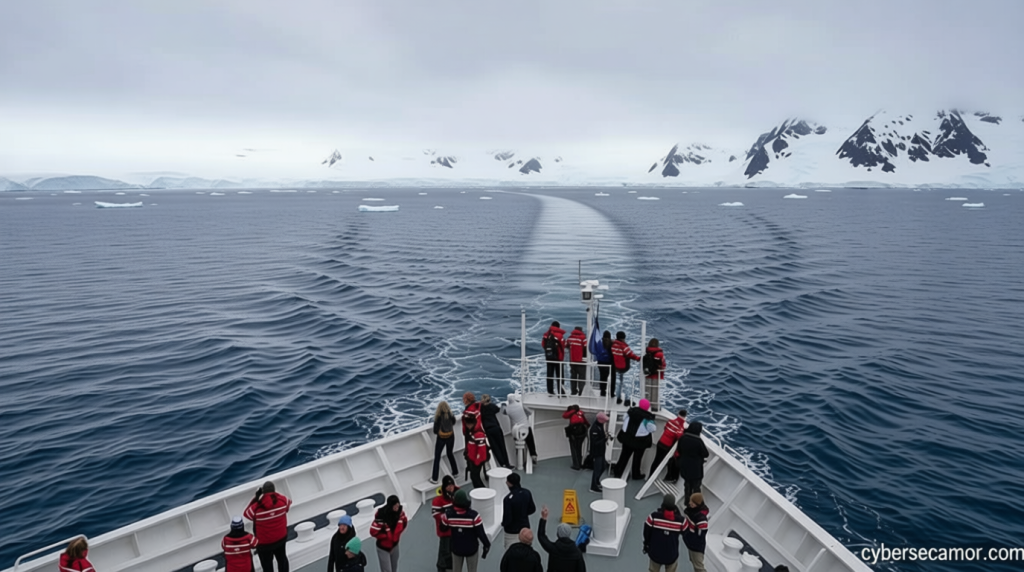
Hantavirus Cruise Highlights Environmental Risks of Last Chance Tourism
Hantavirus cruise highlights the environmental risks – As Earth’s remote regions face irreversible changes, the idea of ‘last chance tourism’ has surged in popularity. This trend draws travelers eager to experience places like Antarctica before they disappear forever. However, a hantavirus outbreak on a Dutch cruise ship has brought fresh concerns to light, emphasizing how human activity in these vulnerable ecosystems can have unexpected consequences. The virus, which spreads through rodent droppings, has now been linked to a growing threat to both visitors and the environment, according to scientists and environmentalists.
Outbreak on MV Hondius Sparks Health Warnings
The MV Hondius, a ship designed to navigate icy waters, embarked on a journey from Argentina to Antarctica in early April. During its voyage, a hantavirus outbreak resulted in two deaths and a suspected case, raising alarms about the risks of tourism in fragile environments. The vessel is now docked near Cape Verde, preparing to ferry patients to the Canary Islands. Authorities are still assessing the situation, with concerns about the ship’s route and the potential for disease transmission in isolated regions.
“The risks of travel in these areas are not always immediately visible,” remarked Nielsen, an expert in Antarctic law. “Even the smallest interactions can lead to significant ecological disturbances.”
Investigations suggest the virus may have been present on the ship prior to its departure. Although no rats were reported onboard, officials are exploring other sources of contamination. This incident underscores how tourism can introduce new pathogens to pristine environments, endangering both human health and the delicate balance of local wildlife.
Antarctic Tourism: A Growing Threat
Antarctic tourism has seen a steep increase, with visitor numbers more than doubling in the past two decades. This surge coincides with rapid ice loss, as NASA data shows the continent is losing over 149 billion metric tons of ice annually. While the region remains a popular destination, the growing presence of tourists could accelerate environmental degradation and the spread of diseases.
Most trips concentrate on the Antarctic Peninsula, one of the fastest-warming areas on the planet. The MV Hondius’s route, which passes through South American and African coasts, highlights the interconnectedness of ecosystems and the far-reaching effects of human travel. Scientists warn that frequent visits could disrupt species migration patterns and introduce invasive species, compounding the challenges of preserving Antarctica’s unique environment.
Environmental groups have long advocated for stricter protocols to protect the continent. Recent outbreaks of avian flu, carried by birds from South America, demonstrate the vulnerability of Antarctica to new threats. The International Association of Antarctica Tour Operators (IAATO) has since implemented additional measures, such as requiring visitors to clean their gear and minimize contact with wildlife, to mitigate these risks.
Rising Visitor Numbers and Future Projections
According to the IAATO, over 80,000 tourists visited Antarctica in 2024, with nearly 36,000 viewing the region from ships. This number has grown tenfold since the 1990s, driven by increased accessibility and technological advancements. The hantavirus incident serves as a cautionary tale, urging planners to consider the environmental impact of tourism expansion.
Experts predict that visitor numbers could triple or quadruple to over 400,000 annually in the near future. As ‘last chance tourism’ gains traction, the pressure to explore Antarctica before its ice melts entirely is intensifying. This raises the stakes for environmental protection, as the continent becomes a hotspot for human interaction, potentially exposing it to new diseases and ecological disruptions.
With Antarctica’s status as a scientific preserve under the Antarctic Treaty system, the rise in tourism threatens to undermine decades of conservation efforts. The hantavirus cruise highlights the urgent need for stricter guidelines to ensure that human presence does not come at the cost of the continent’s natural heritage.

