Why Ukraine won’t join US-Middle East war after striking Iranian ship

Daftar Isi
Kyiv Denies Intent to Escalate Regional Conflict Following Iranian Vessel Strike
Cybersecarmor.com – Ukraine’s diplomatic representative in Washington has firmly rejected suggestions that Kyiv is manipulating its ongoing conflict with Moscow to provoke a broader confrontation in the Middle East. Ambassador Olga Stefanishyna emphasized that her nation’s leadership remains focused solely on ending hostilities within Ukraine’s borders rather than expanding the battlefield.
Ambassador’s Clear Message to International Community
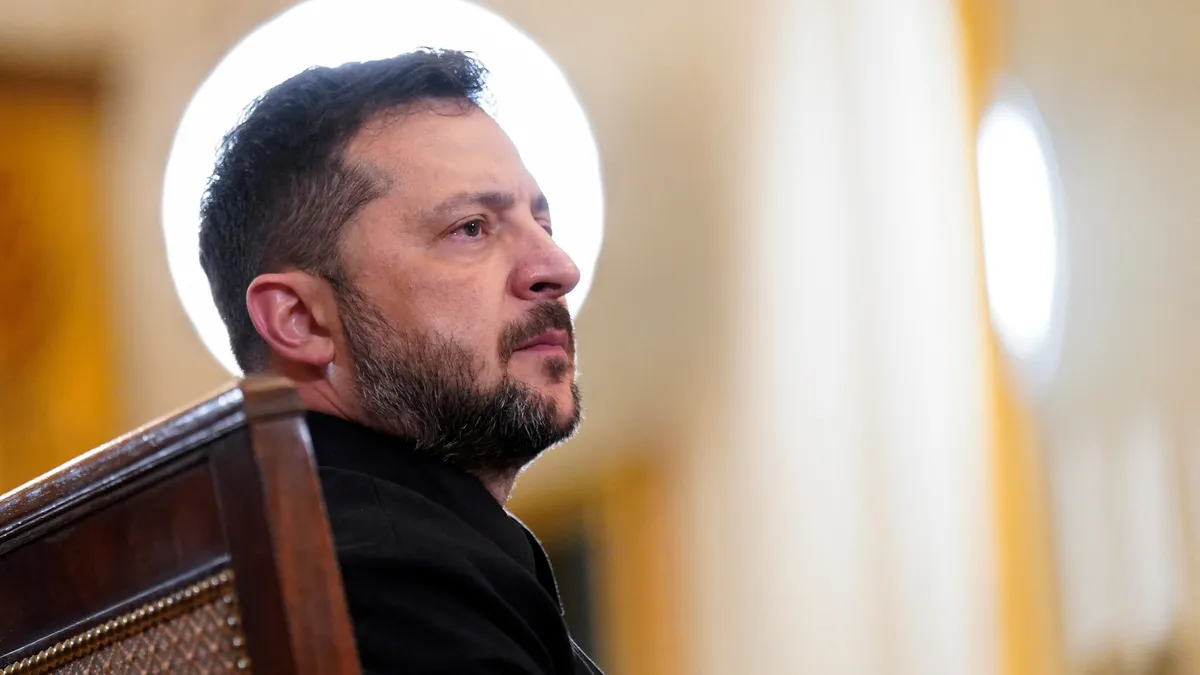
Speaking to reporters following a Washington gathering on July 30, Stefanishyna conveyed that President Volodymyr Zelenskyy’s priorities remain singular and uncomplicated.
My president cares only about stopping the war in my country,
she stated during her remarks.
The ambassador’s emotional delivery underscored Ukraine’s fundamental concern for human life amid the prolonged conflict.
People are dying – this is what we care about,
she explained, noting that Kyiv is not weaving together separate conflicts into a unified narrative.
We’re not connecting any wars. We’re not building any policy behind that. And we are just trying to survive, go through the winter, and make the war stop.
The Caspian Sea Incident and Its Aftermath
These clarifications arrived shortly after Ukrainian forces deployed drones against an Iranian cargo vessel navigating the Caspian Sea on July 25. The operation resulted in the death of one civilian sailor aboard the ship. Ukrainian authorities maintained that the vessel was transporting military supplies between Tehran and Moscow.
The timing proved significant, as the strike occurred just before Zelenskyy traveled to the American capital. There, he planned to meet with President Donald Trump and participate in memorial services for Senator Lindsey Graham, a South Carolina Republican recognized as one of Congress’s most steadfast advocates for Ukrainian resistance against Russian aggression.
Iranian Response and Diplomatic Tensions
The confrontation sparked immediate criticism from Iranian officials who questioned whether Zelenskyy intended to pull major powers into a single, interconnected conflict. Iranian Foreign Minister Seyed Abbas Araghchi characterized the assault as
a blatant UN Charter violation done at Israel’s behest to drag Europe into its war.
Ebrahim Azizi, who leads Iran’s parliament National Security Commission, warned that Tehran would respond to the attack.
Any attack on Iran always comes with a cost; the U.S. and Israel are well aware of this,
Azizi posted on social media platform X. He added that
Ukraine, too, may soon come to understand that Iran does not let actions go unanswered.
Zelenskyy’s Intelligence Sharing and Trump’s Position
Meanwhile, the Ukrainian president committed to exchanging information with military allies concerning Moscow’s renewed support for Tehran. Zelenskyy alleged that Russia shared satellite observations of American military installations across multiple Gulf nations with Iranian counterparts.
There is a clear correlation between Russia’s satellite imagery of these sites and Iranian strikes – both before the attacks, in preparation for them, and afterward, to assess the damage inflicted,
Zelenskyy documented in a social media update.
The purpose is clear.
President Trump had previously dismissed claims that Russia participated in Iran’s confrontation with American forces.
If they did, it would be very bad for them — certainly not in their best interests,
he wrote on Truth Social.
De-escalation Efforts and Strategic Messaging
As Zelenskyy arrived in Washington, Ukrainian officials began tempering their public statements. Foreign Minister Andrii Sybiha contacted his Iranian counterpart Araghchi, encouraging both sides to exercise restraint.
During Graham’s memorial service, Zelenskyy engaged in informal discussions with Israeli Prime Minister Benjamin Netanyahu. He subsequently held formal talks at the White House with Trump and other American leaders.
Stefanishyna clarified at a Christian Science Monitor event that Ukraine’s objective remained straightforward:
The purpose of this … call was to send a signal that we are not willing to escalate the situation.
She described the Iranian vessel attack as unintentional and credited diplomatic channels for reducing tensions.
When questioned about whether Ukraine initially sought to connect conflicts to capture American attention, the ambassador responded:
We are not ever going to stop highlighting any information about anyone who serves as a strategic enabler, either Russian aggression against Ukraine or where Russia tries to become a strategic enabler for anyone who … attacks the allies of Ukraine, who provide the vital support for Ukraine.
Historical Context of Russia-Iran Cooperation
The military partnership between Tehran and Moscow predates the current Ukrainian conflict, which began in 2022. According to U.S. intelligence assessments reported in media outlets, Iran has delivered hundreds of drones to Moscow since hostilities commenced. Additionally, Tehran has supplied technical blueprints, designs, and specialized equipment enabling Russia to establish domestic production facilities for these weapons systems.
Conversely, Moscow has furnished satellite imagery that Iran utilizes to monitor American military personnel, naval vessels, and aircraft operating in the region. This intelligence exchange has strengthened both nations’ strategic capabilities while complicating Western diplomatic efforts to contain regional conflicts.
Related Reading
Frequently Asked Questions
What is Why Ukraine won t join US Middle?
Why Ukraine won t join US Middle is the main topic of this guide. The article explains the context, practical details, and next steps readers should understand.
Why does Why Ukraine won t join US Middle matter?
Why Ukraine won t join US Middle matters because readers are looking for a useful answer, not just a short summary. Good content should match search intent and help them decide what to do next.