
Spain’s record 794 Blue Flags: The beaches and marinas travellers should visit in 2026
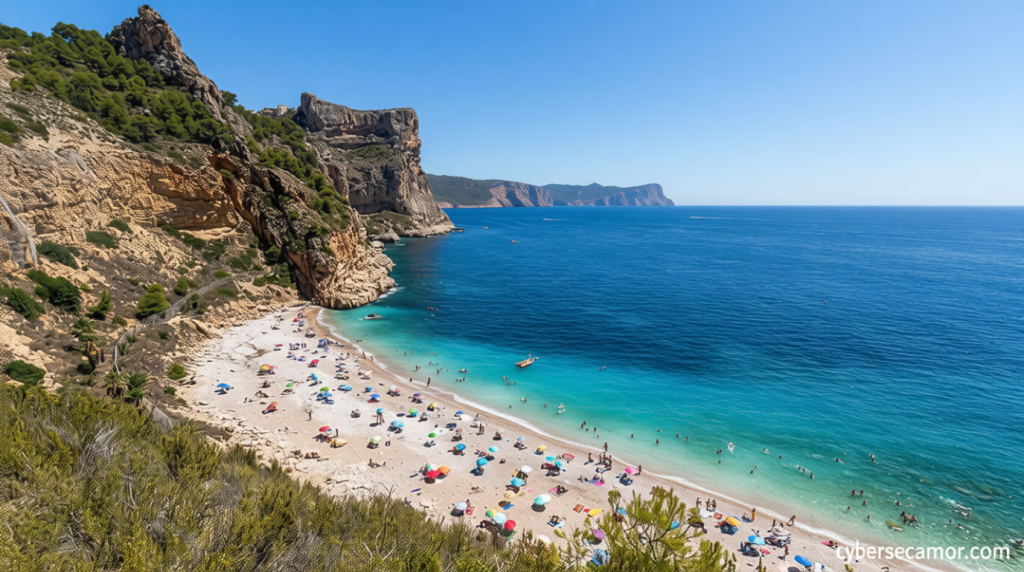
Spain’s Record 794 Blue Flags: Best Beaches and Marinas to Visit in 2026
Spain s record 794 Blue Flags – Spain has once again set a new benchmark in environmental responsibility, earning an unprecedented 794 Blue Flags in 2026. This achievement, a significant increase from the previous year’s 750, highlights the country’s commitment to sustainability and the safety of its coastal areas. With 677 beaches, 111 marinas, and six tourism boats certified, Spain remains the European leader in the Blue Flag programme, a global standard for eco-friendly practices. The surge in certifications underscores how the nation is adapting to climate challenges while preserving its natural allure for travelers.
Spain’s Environmental Leadership in 2026
Spain’s 794 Blue Flags represent a major milestone for the Blue Flag programme, which has been promoting environmental excellence since 1985. The programme’s criteria include water quality, pollution control, environmental education, and accessibility, all of which Spain has excelled in meeting. This year’s record reflects not only the dedication of local authorities but also the collaboration with businesses and communities to ensure the country’s coastline remains pristine. The 44 additional certifications from 2025 further solidify Spain’s position as a top-tier destination for eco-conscious tourists.
The Blue Flag certification process is rigorous, requiring sites to maintain high standards in hygiene, energy efficiency, and waste management. With over 5,000 locations worldwide now carrying the Blue Flag, Spain’s 794 flags contribute to the programme’s growing influence. This achievement is especially notable given the increasing pressure on coastal regions to balance tourism with conservation. Spain’s coastal areas, from bustling marinas to serene beaches, are now more than ever a model for sustainable development.
Regional Breakdown of Blue Flag Success
Spain’s 794 Blue Flags are distributed across its regions, with the Valencian community leading the charge by securing 151 beach flags. Andalusia and Galicia follow closely, demonstrating a nationwide effort to protect coastal environments. Catalonia and Valencia also excel in marina certifications, showcasing their integration of eco-friendly infrastructure with urban development. The inclusion of inland waterways in the programme adds another layer to Spain’s environmental strategy, ensuring that even non-traditional destinations meet the same high standards.
Spain’s 794 Blue Flags are a testament to its diverse coastal landscape, from the rugged cliffs of the Canary Islands to the sheltered coves of the Basque Country. Each certified site, whether a vibrant marina or a secluded beach, plays a role in the country’s broader environmental goals. This year’s record also marks a significant step toward achieving the EU’s sustainability targets, as Spain continues to prioritize eco-friendly tourism over mass development. The collaboration between regional governments and local stakeholders is key to this progress.
Top Blue Flag Destinations in Spain
La Malvarrosa in Valencia, one of Spain’s 794 Blue Flag beaches, has transformed from a swampy area in the 19th century into a thriving tourist hub. Its golden sands and vibrant promenade, complete with beachfront dining, make it a standout for both relaxation and adventure. Meanwhile, El Encinarejo in Andalusia offers a tranquil inland experience, as the first Blue Flag beach in Jaén without direct sea access. These spots reflect the variety of Spain’s 794 Blue Flags, catering to different travel preferences while maintaining ecological integrity.
For those seeking a unique blend of nature and recreation, Playa de la Virgen de la Nueva in Madrid provides an idyllic setting beside the San Juan Reservoir. The beach’s beige sands and clear waters are framed by rugged mountains, offering hiking and kayaking opportunities. Spain’s 794 Blue Flags also extend to its marinas, which serve as hubs for sustainable boating and marine conservation. These facilities are crucial for ensuring that Spain’s coastal tourism remains both economically viable and environmentally responsible.

