
Iran exits Venice Biennale as tensions remains high in Middle East
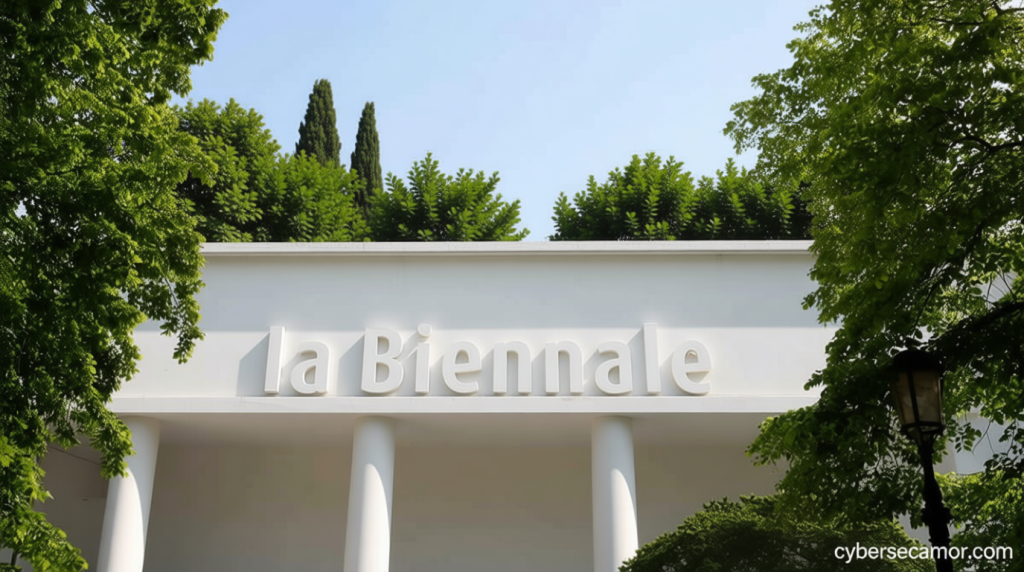
Iran exits Venice Biennale as tensions remains high in Middle East
A Sudden Withdrawal from the Arts
Iran exits Venice Biennale as tensions – Iran has withdrawn from this year’s Venice Biennale mere days before the public unveiling of the exhibition this weekend. The decision was announced through a brief statement posted on the Biennale’s official website, which stated: “With regard to the National Participations in the 61st International Art Exhibition, *In Minor Keys* by Koyo Kouoh (9 May-22 November), it has been announced that the Islamic Republic of Iran will not participate.” The official reason for the withdrawal has not yet been disclosed, leaving observers to speculate about the motivations behind the abrupt exit. While the Biennale typically serves as a platform for cultural exchange, Iran’s absence signals a growing political influence over artistic representation in the region.
The timing of the announcement has raised eyebrows, as the exhibition’s opening is imminent. This move comes amid a backdrop of escalating geopolitical conflicts, particularly in the Middle East. The war between the United States and Israel against Tehran has intensified regional tensions, creating an environment where even the arts sector is not immune to the ripple effects of international diplomacy. Although a temporary ceasefire has been in place for nearly a month, the situation remains precarious, with frequent clashes and diplomatic threats reported across the region. The Biennale, which usually fosters collaboration and dialogue, now faces the challenge of navigating these heightened hostilities.
The Impact of War on Artistic Participation
Iran’s withdrawal is not an isolated incident but part of a broader trend of countries withdrawing from global cultural events due to political pressures. The decision follows a period of significant unrest in the Middle East, where the war against Iran has become a central issue. International shipping lanes near the Strait of Hormuz have been disrupted for weeks, with tankers and vessels caught in the crossfire of military operations and economic sanctions. This bottleneck in maritime traffic underscores the strategic importance of the strait, which is a vital artery for global oil exports.
The Biennale’s 61st edition, titled *In Minor Keys*, has already faced challenges beyond Iran’s absence. The tragic death of its curator, Koyo Kouoh, earlier this year has cast a shadow over the event’s preparations. Kouoh, a renowned Nigerian-British art critic and curator, was instrumental in shaping the Biennale’s vision for this year. Her passing has led to discussions about the potential impact on the exhibition’s thematic direction and artistic lineup. In response to the conflict, the organizers made a controversial decision to invite Russia and Israel to participate, which sparked further controversy among some participants and critics.
The decision to include Russia and Israel in the lineup has prompted a backlash, particularly from countries aligned with Iran. The Biennale’s jury, composed of prominent art figures from around the world, resigned en masse last week, citing concerns about the impartiality of the selection process. The jury had initially stated that it would not consider entries from nations whose leaders are subject to international arrest warrants for crimes against humanity. This stance has drawn criticism from some quarters, with arguments that the Biennale should remain a neutral space for artistic expression despite political sensitivities.
A New Format for the Golden Lion Prizes
With the jury’s resignation, the structure of the awards has been altered. The two main Golden Lion prizes—awarded for the best national pavilion and the best artist—will now be decided by a public vote. This shift from a jury-based selection to a democratic process reflects the Biennale’s efforts to adapt to the current geopolitical climate. The ceremony, originally scheduled for this month, has been postponed to November, aligning with the exhibition’s closing date. This change has raised questions about the transparency and fairness of the awards, as well as the potential influence of public opinion on the final results.
The Biennale, held every two years, is one of the most prestigious events in the art world, drawing participants from over 100 countries. Its role as a cultural showcase has often been overshadowed by political undertones, especially in recent years. The current edition, however, faces an unprecedented dilemma: balancing artistic integrity with the realities of ongoing conflict. The absence of Iran, a key player in Middle Eastern politics, adds to the complexity of this situation. While some may argue that the Biennale should remain a sanctuary for art, others see it as a reflection of the region’s turbulent state.
The uncertainty surrounding Iran’s withdrawal has also sparked debates about the future of cultural diplomacy in the region. In the past, the Biennale has provided a platform for dialogue between nations with differing political views, but its current structure may limit this potential. The decision to exclude Iran could signal a deeper rift in international relations, particularly as the war against Tehran continues to reshape the geopolitical landscape. The absence of a jury adds another layer of unpredictability, as the public vote may be influenced by political affiliations and media narratives.
Despite these challenges, the Biennale remains a symbol of artistic resilience. The event’s organizers have emphasized their commitment to maintaining the exhibition’s cultural significance, even as they navigate the complexities of the conflict. The Golden Lion awards, which have historically recognized outstanding contributions to the arts, now face the challenge of being awarded in a context where political tensions could sway public perception. This edition of the Biennale may ultimately serve as a case study in how global events can intersect with artistic expression, highlighting both the opportunities and obstacles faced by cultural institutions in times of crisis.
As the public opening approaches, the focus of the Biennale is shifting from the artistic to the political. The absence of Iran’s pavilion and the involvement of Russia and Israel in the lineup are not just logistical adjustments but symbolic gestures that reflect the broader dynamics at play. The public vote for the Golden Lion prizes, while unconventional, may offer a glimpse into the priorities of the international art community during these turbulent times. Whether this change will lead to a more inclusive or more politicized outcome remains to be seen, but one thing is certain: the 61st Venice Biennale will be remembered as an event shaped by the forces of conflict and creativity.
The decision to withdraw from the Biennale also highlights Iran’s strategic focus on maintaining its influence in the region. While the country has been absent from the event, it continues to play a pivotal role in the Middle East. The war against Tehran has not only disrupted regional stability but also forced countries to reassess their participation in global cultural initiatives. For Iran, the Biennale was an opportunity to showcase its artistic identity, but the political climate has made that participation increasingly difficult. The country’s absence could be interpreted as a deliberate move to prioritize its own interests over international collaboration.
In the absence of a jury, the Biennale’s organizers have turned to an alternative method of selecting the Golden Lion winners. This approach, while necessary due to the resignation of the jury, may lead to a more diverse representation of artists and pavilions. The public vote could democratize the process, allowing a broader range of voices to influence the outcome. However, it also raises concerns about the potential for bias, as voters may be swayed by political affiliations rather than artistic merit. This shift in the selection process underscores the evolving nature of the Biennale and its adaptability to external pressures.
As the exhibition approaches, the focus of the Biennale is shifting from the artistic to the political. The absence of Iran’s pavilion and the involvement of Russia and Israel in the lineup are not just logistical adjustments but symbolic gestures that reflect the broader dynamics at play. The public vote for the Golden Lion prizes, while unconventional, may offer a glimpse into the priorities of the international art community during these turbulent times. Whether this change will lead to a more inclusive or more politicized outcome remains to be seen, but one thing is certain: the 61st Venice Biennale will be remembered as an event shaped by the forces of conflict and creativity.
Meanwhile, the continued instability in the Middle East has created a ripple effect that extends beyond military and political spheres. The disruption of maritime traffic in the Strait of Hormuz has not only affected global trade but also drawn attention to the region’s vulnerability. As tensions persist, the Biennale’s decision to proceed without a jury highlights the adaptability of cultural institutions in the face of adversity. The event, which has historically fostered cross-cultural dialogue, now finds itself at the crossroads of art and geopolitics, with the potential for both collaboration and competition to shape its legacy.
Ultimately, Iran’s withdrawal from the Venice Biennale is a reflection of the broader geopolitical landscape. The decision to skip the exhibition comes at a time when the Middle East is more divided than ever, with nations aligned against Iran. The Biennale’s organizers, however, have remained steadfast in their commitment to the event’s cultural mission, even as they navigate the challenges posed by the conflict. The public vote for the Golden Lion prizes may serve as a reminder that art, while often a symbol of unity, can also become a battleground for political expression.

