
Iran executes 21-year-old karate champion as UN warns of death penalty surge
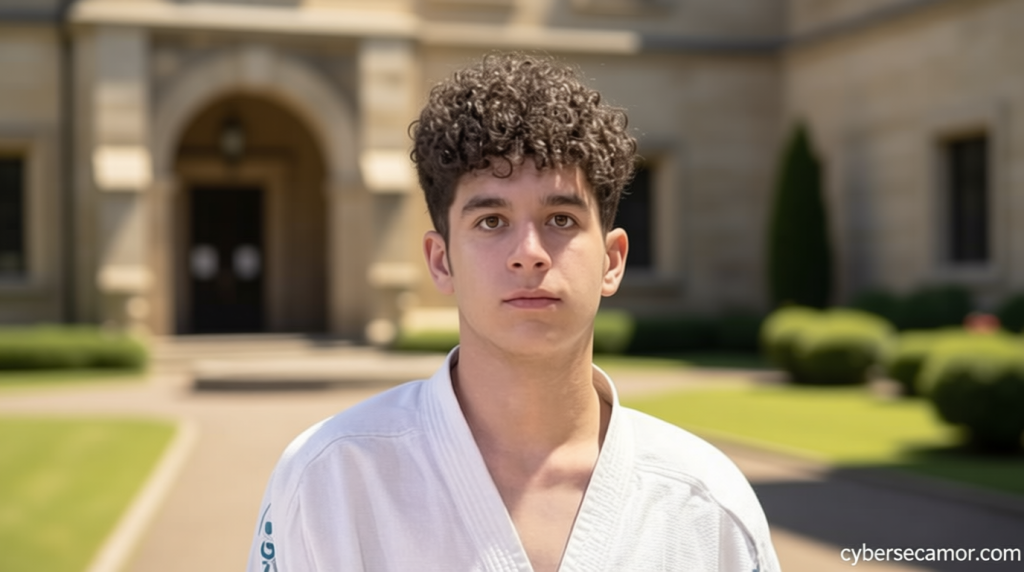
Iran Executes 21-Year-Old Karate Champion Amid Escalating Capital Punishment Trends
Iran executes 21 year old karate – Iran’s judicial authorities have carried out the execution of another protester, Sassan Azadvar Joonqani, a 21-year-old karate athlete who was detained during the early January demonstrations. This development follows reports from the United Nations and other international human rights organizations highlighting a significant increase in executions and arrests since the onset of the Iran war in late February. The country’s legal system has intensified its use of capital punishment, raising concerns about the fairness of trials and the rights of detainees.
Details of the Execution and Its Context
Sassan Azadvar Joonqani was executed at dawn on Thursday at Dastgerd Prison in Isfahan, according to Iranian media outlets. His arrest occurred on January 8 during nationwide protests, which had erupted in response to rising inflation, economic instability, and widespread discontent with the government. The judicial system has since processed his case, citing charges of “moharebeh” or “enmity against God” and “effective cooperation with the enemy.” These accusations stem from his alleged actions during the demonstrations, including the use of stones and clubs to attack a vehicle transporting security personnel and the destruction of windows on the same vehicle.
“Only 10 of his relatives were allowed to attend the funeral,” said a family source who spoke to Hrana, an Iranian rights organization. The tight security surrounding the event underscored the government’s efforts to limit public awareness of the execution and its political implications.
According to Mizan, the state-run news agency of the Iranian judiciary, the trial was conducted with legal representation, though no further details about the proceedings were provided. However, critics argue that the evidence against Azadvar was insufficient. The lawyers’ platform Dadban pointed out that the charges of “enmity against God” did not align with the legal criteria defined under Iranian law, suggesting potential overreach by the judicial system. Meanwhile, Hengaw, a human rights group, emphasized the “serious legal ambiguities” in the case and noted that the defendant’s lawyer claimed there was no credible evidence to support the conviction.
The Broader Crackdown on Dissent
The execution of Azadvar Joonqani is part of a broader pattern of capital punishment linked to security-related cases and protests. Since the start of the Iran war, the UN has documented at least 21 executions and over 4,000 arrests, signaling a surge in the use of the death penalty. This escalation has drawn attention from global watchdogs, who warn of a systematic approach to suppress dissent and maintain control over the population.
Azadvar’s case is particularly notable for its intersection of sports and politics. As a karate champion from Isfahan province, he was not only a symbol of national pride but also a figure associated with grassroots activism. Hengaw described him as a “young advocate” who had become a target of the regime’s crackdown, alleging that he endured severe physical and psychological torture during detention to extract a confession. The organization claimed that such methods were commonly used to coerce detainees into admitting to charges they may not have committed.
Iran’s judiciary chief, Gholamhossein Mohseni Ejei, has played a central role in the acceleration of capital punishment. In recent statements, he emphasized the need for courts to expedite cases involving detainees, stating that they should be processed “outside normal procedures.” This approach has enabled the government to bypass due process, ensuring that sentences are issued quickly without extensive review. Ejei also dismissed international calls to halt executions, asserting that Tehran remains committed to its strict legal framework.
International Reactions and Human Rights Concerns
The execution has drawn sharp criticism from human rights groups and international bodies. Amnesty International reported that it recorded at least 19 executions in recent weeks, with many cases linked to protest activity. The organization also highlighted the risk of “enforced disappearances” and the prevalence of torture in detention facilities. These practices, it argued, have been used to intimidate individuals and silence opposition voices.
Azadvar’s arrest initially placed him in solitary confinement, a tactic often employed to break the will of detainees and isolate them from support networks. His trial, conducted during the height of the Iran war, was accompanied by claims of procedural rigidity. While the judiciary maintained that he received legal representation, critics questioned the effectiveness of this process in a context where time constraints and political pressure could overshadow due process.
“The defendant’s lawyer maintained there was no credible evidence against him,” stated Hengaw, which also accused the authorities of using “severe physical and psychological torture” to force a confession. The group emphasized that the charges against Azadvar, including the destruction of vehicle windows and the throwing of stones at security officers, were not clearly substantiated in the official report.
International observers have linked the rise in executions to the security environment created by the Iran war. The UN has expressed concern that the government’s swift trials and harsh penalties are being used to instill fear among the population. This trend, they argue, reflects a deliberate strategy to target individuals who challenge the regime’s authority. Azadvar’s case exemplifies this, as he was executed for actions that, while disruptive, may have been exaggerated to fit the legal definitions of “enmity against God” and “effective cooperation with the enemy.”
Legacy of the Execution and Its Implications
The death of Azadvar Joonqani has sparked renewed debates about the fairness of Iran’s judicial system and its role in political repression. His execution, occurring just months after the protests began, has been seen as a clear message to others who participate in dissent. The judiciary’s decision to uphold his death sentence, despite the lack of detailed evidence, has raised questions about the transparency and impartiality of the legal process.
As the Iran war continues, the use of capital punishment has become a focal point of international scrutiny. The UN and human rights organizations have called for greater accountability, urging Iran to provide more information about the trials and the conditions of detention. Meanwhile, the government maintains that these measures are necessary to restore order and protect national security. The execution of a young athlete with a public profile has added a symbolic dimension to the crackdown, highlighting the personal and political costs of the regime’s actions.
Azadvar’s death is part of a larger trend of repression that has characterized the Iran war. With over 4,000 individuals detained and 21 executed since the conflict began, the judiciary has been accused of using the legal system as a tool for political control. His case, however, stands out for its blend of personal identity and activism, underscoring the intersection of sports and politics in Iran. As the international community watches closely, the execution serves as a reminder of the ongoing struggle between state authority and individual rights in the country.
Amid these developments, the Iranian government has continued to justify its actions through rhetoric of national security and moral order. The claim that Azadvar’s attacks on security forces were acts of “enmity against God” has been used to legitimize his execution. Yet, human rights advocates argue that such charges are often applied broadly to suppress dissent. The case has thus become a symbol of the broader crackdown on protesters and activists, with implications for the future of Iran’s legal and political landscape.
As the execution of Sassan Azadvar Joonqani takes place, the international community faces a critical moment to address the growing use of the death penalty in Iran. The UN and other organizations have called for urgent intervention to prevent further abuses. For now, the government remains steadfast in its approach, ensuring that dissenters face swift and severe consequences. The story of Azadvar, from karate champion to executed political prisoner, encapsulates the challenges faced by individuals in a country where the line between protest and treason is increasingly blurred.

