How to prepare your house for a hurricane: The ultimate checklist

2026 Hurricane Season Checklist: Securing Your Home Before Storms Arrive
Cybersecarmor.com – The 2026 Atlantic hurricane season kicks off on June 1, with the National Oceanic and Atmospheric Administration (NOAA) projecting a range of eight to 14 named storms. While the average number of tropical storms in a typical year is around 14, the forecast suggests a potential decrease. However, this doesn’t guarantee a quiet season. Experts from emergency management, insurance, and meteorological fields all agree that proactive preparation is critical, regardless of the predicted storm count.
Why Early Planning Matters
Despite the lower-than-usual forecast, the unpredictability of weather patterns means homeowners must stay vigilant. “El Niño’s influence can sometimes dampen hurricane activity in the Atlantic Basin, but the season’s outcome remains uncertain,” explained Ken Graham, director of NOAA’s National Weather Service. “That’s why reviewing your hurricane readiness strategy early is vital. A single storm can disrupt plans and turn a manageable season into a crisis.”
Preparing your home before a storm hits is not just about minimizing damage—it’s about ensuring a faster recovery and reducing financial strain. According to insurance analysts, the cost of post-storm repairs can be staggering, often exceeding the expenses of preventive measures. By investing in preparedness, families can avoid the chaos of last-minute fixes and protect their belongings from potential destruction.
Structural Safeguards for Homeowners
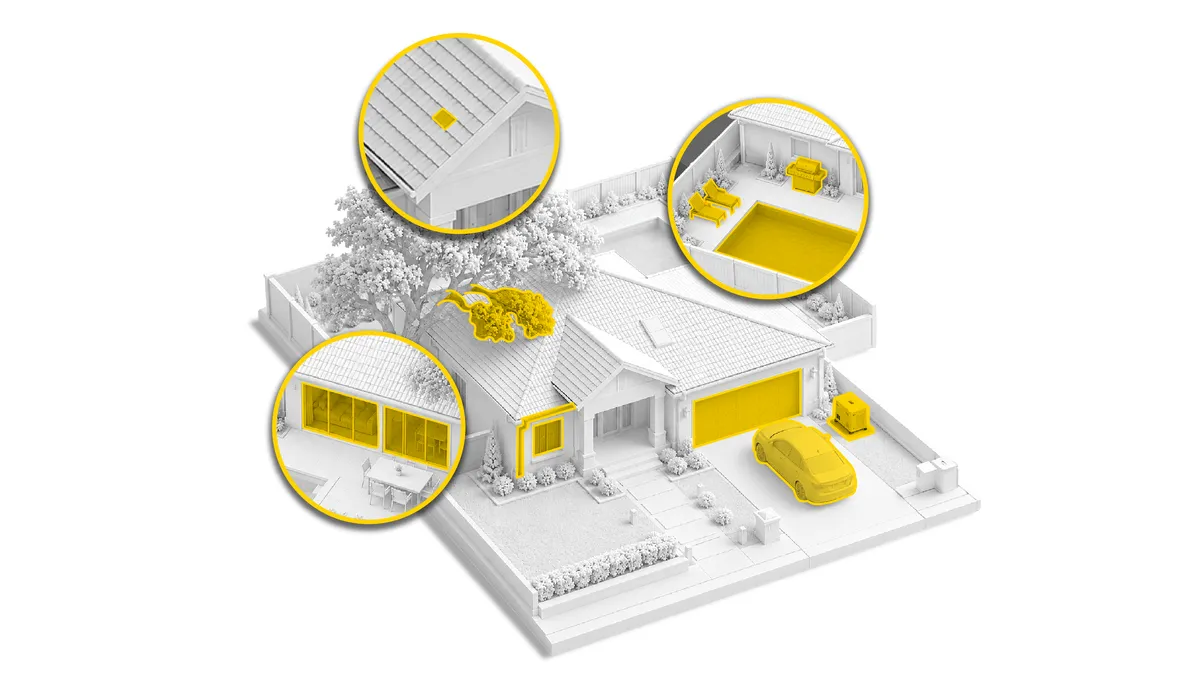
Homeowners are encouraged to take a step-by-step approach to fortify their properties. Starting with trimming branches from trees that could fall during high winds is a simple yet effective measure. This action not only clears pathways but also prevents debris from damaging windows, roofs, and vehicles. For more substantial upgrades, replacing weak exterior doors with storm-resistant models is essential. These doors, equipped with reinforced hinges and at least one deadbolt lock, can significantly reduce the risk of break-ins and water intrusion.
Sealing wall openings is another key task. Vents, electrical outlets, and cable entries should be treated with high-quality urethane-based caulk to prevent water from seeping into the home. This step is particularly important for areas prone to flooding, as water damage can compromise structural integrity and lead to mold growth. Additionally, securing outdoor furniture and covering windows with shutters or protective film can prevent costly breakages and injuries from flying objects.
Mobile Homes: Special Considerations
Mobile homes, often seen as more vulnerable than traditional houses, can offer varying levels of safety. The degree of protection depends on construction standards and anchoring systems. “Modern mobile homes built to current codes are far more resilient than older models,” noted FEMA officials. “But proper installation of anchor systems and adherence to safety guidelines are non-negotiable.” Homeowners should consult professionals to assess their mobile home’s readiness, ensuring it meets the necessary criteria to withstand strong winds and storm surges.
For those renting, reviewing lease agreements is equally important. Confirming details about storm shutters, responsibilities for securing property, and renter’s insurance coverage can prevent disputes during a crisis. If the rental unit lacks adequate hurricane preparedness, discussing solutions with the landlord beforehand is advisable. This includes agreements on who will cover repairs and how evacuation plans will be handled.
Stages of Preparation: A Strategic Approach
Disaster readiness should be approached in phases to manage costs and avoid last-minute stress. Beginning with a property assessment allows homeowners to identify weak spots, such as roof leaks, broken windows, or loose shingles. Prioritizing these areas ensures resources are allocated efficiently. For instance, reinforcing the roof with additional supports or installing impact-resistant glass can protect against the most damaging elements of a storm.
Power systems are another critical component. Knowing how to shut off electricity in case of flooding or downed power lines is essential to prevent electrocution risks. This includes disconnecting gas lines and securing appliances to avoid surges. Evacuation protocols should also be reviewed, including designating safe routes and emergency meeting points for family members. Having a charged phone, a backup power source, and essential supplies like flashlights and batteries ready can make a significant difference during emergencies.
While some tasks, like securing shutters or sealing gaps, can be handled independently, others require specialized expertise. For example, installing hurricane straps to reinforce roof-to-wall connections or replacing windows with tempered glass may need professional assistance. Homeowners should also consider investing in a generator to maintain electricity during prolonged outages. These steps, though requiring time and effort, can provide peace of mind and reduce the impact of a storm.
Additional Tips for Resilience
Simple yet often overlooked measures can enhance home safety. Keeping gutters and downspouts clear ensures water drains efficiently, preventing basement flooding. Storing valuables in elevated areas or waterproof containers protects them from water damage. Additionally, securing heavy furniture and appliances to walls can prevent them from toppling during strong winds. These actions, combined with regular maintenance, build a stronger defense against hurricanes.
For those who may not have started preparing, there are still steps to take in the short term. Reinforcing windows with plastic sheeting or plywood, creating an emergency kit with essential items, and securing loose items around the property are all effective strategies. However, these measures are most impactful when implemented well in advance. Delaying preparations increases the likelihood of last-minute decisions, which can be both time-consuming and expensive.
Communities and local governments also play a role in hurricane preparedness. Public awareness campaigns, free resources, and checklists can guide homeowners in making informed choices. Collaborating with neighbors to create a shared emergency plan ensures everyone is on the same page, especially in case of evacuations or power outages. These collective efforts can strengthen resilience and improve response times during a storm.
Preparing for the Unexpected
Even with thorough planning, unexpected changes in weather patterns can occur. A sudden storm may not be predicted early, so having a flexible plan is crucial. This includes keeping a supply of sandbags, tarps, and water pumps ready for rapid deployment. Regularly checking for updates from the National Hurricane Center and local emergency services ensures homeowners can respond swiftly to new threats.
Lastly, maintaining insurance coverage is a fundamental part of preparation. Reviewing policies to ensure they include hurricane-specific provisions, such as coverage for wind damage or water ingress, can provide financial security. For those without insurance, exploring community disaster relief programs or supplemental coverage options may be necessary. These measures help mitigate the long-term effects of a hurricane, allowing for quicker rebuilding and recovery.
With the 2026 season approaching, there’s no time to delay. By following this checklist and taking proactive steps, homeowners can significantly reduce the risks associated with hurricanes. The effort invested in preparation today ensures a safer, more stable environment for families tomorrow.
Source: USA TODAY Network reporting and research; Federal Emergency Management Agency (FEMA); Centers for Disease Control and Prevention (CDC); National Oceanic and Atmospheric Administration (NOAA).