
Qatar warns Iran it will not be used as ‘political punching bag’
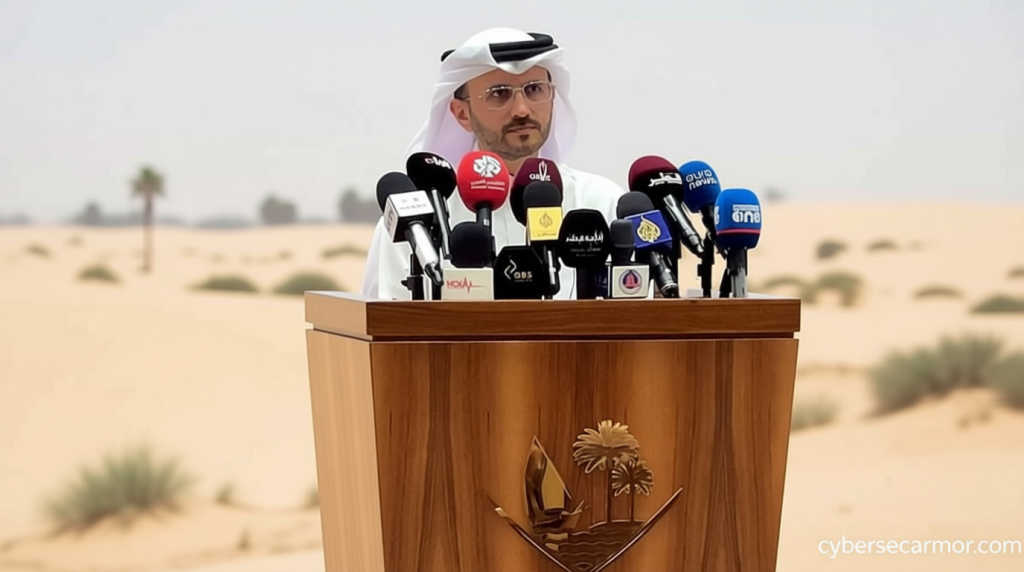
Qatar Warns Iran Against Using It as a Political Punching Bag
Qatar warns Iran it will not be – On Tuesday, Qatar issued a strong warning to Iran, asserting that the nation would not be treated as a political pawn in the escalating regional conflict. This declaration came as Iran continued its blockade of the Strait of Hormuz, a critical maritime route for global oil shipments. The Qatari Ministry of Foreign Affairs spokesperson, Dr. Majed Al-Ansari, emphasized that any assault on Qatar’s sovereignty is unwarranted, regardless of the circumstances. “We will not be used as political punching bags in this war,” he stated, highlighting the country’s resolve to defend its autonomy.
Gulf Leaders Converge in Saudi Arabia for Crisis Talks
The remarks were made during a significant gathering of Gulf Cooperation Council (GCC) nations in Saudi Arabia, marking their first meeting since the conflict with Iran intensified. The summit aimed to address the Strait of Hormuz crisis and the broader geopolitical tensions affecting the Middle East. While the focus of the discussions was on stabilizing the situation, Al-Ansari noted that Qatar’s stance remains distinct from a potential escalation by the GCC as a whole.
“I don’t think there was a general GCC push for more escalation with Iran,” Al-Ansari said. “Before the war began, we were actively seeking a diplomatic resolution through engagement with Tehran. This has always been our position.”
Al-Ansari’s comments underscore Qatar’s consistent approach to conflict resolution, which prioritizes dialogue over confrontation. He clarified that while the region faces heightened risks, the country is not endorsing a broad strategy of hostility against Iran. Instead, Qatar advocates for a balanced approach that ensures its security without undermining diplomatic efforts.
Strait of Hormuz as a Political Tool
Al-Ansari criticized Iran’s use of the Strait of Hormuz as a political bargaining chip, calling it an unacceptable move. “The strait should have never been closed, and it must be reopened immediately, regardless of other factors in the region,” he said. The closure of this strategic waterway, he argued, has disrupted the flow of oil and raised concerns about global energy security.
“Any attack on our sovereignty cannot be justified by any means, and we have taken all necessary precautions to ensure our safety from this aggression,” Al-Ansari stated, reinforcing Qatar’s commitment to self-defense.
He also expressed support for European initiatives aimed at securing safe passage through the strait. When asked about the UK and France’s efforts to stabilize the waterway, Al-Ansari praised their leadership. “We applaud our European partners for taking the initiative on this issue and are continuing to collaborate with them,” he said, indicating that Qatar remains aligned with international efforts to resolve the crisis.
Regional Security Perceptions Shift
Al-Ansari highlighted how the ongoing conflict has altered the security landscape for Gulf nations. “The main concern in the region now is stability,” he noted. “The way we perceive threats has changed as a result of this war.” He warned that without concrete security guarantees, the situation could spiral further, jeopardizing the progress made in recent months.
“We need assurances that will prevent us from returning to the previous state of affairs within a few months,” Al-Ansari said, stressing the urgency of diplomatic solutions.
The Qatari official called for a comprehensive political settlement that addresses the interests of all parties involved, including Iran. “Our goal is a broad agreement that caters to the needs of everyone in the region, from the Iranians to our own people, and the concerns of the global community regarding Iran,” he explained. This vision of a unified approach reflects Qatar’s diplomatic philosophy, which has long emphasized multilateral cooperation.
Support for Mediation and Incremental Progress
Despite the current tensions, Al-Ansari reiterated that Qatar supports a gradual resolution of the conflict. “Peace is incremental, and we are not against any deal that maintains the ceasefire, which is a positive development for us,” he said. This sentiment aligns with Qatar’s role as a mediator, particularly through its collaboration with Pakistan. The Qatari foreign ministry official confirmed that Pakistan’s involvement is central to the negotiation process. “We do not need to expand the circle of talks,” he said. “Our position has been clear from the start: any regional conflict must be resolved through dialogue.”
“We believed in the negotiation process and have remained supportive of a diplomatic resolution throughout,” Al-Ansari added, reaffirming Qatar’s commitment to peaceful outcomes.
Al-Ansari’s remarks also shed light on the broader implications of the war for regional alliances. While some Gulf states have taken a harder line against Iran, Qatar has maintained a nuanced stance. He acknowledged that progress is likely to unfold in stages, with each step contributing to the overall goal of long-term stability. “We are still in the early phases of discussions with all parties, including our regional allies,” he noted, underscoring the complexity of the current situation.
Qatar’s Role in the Global Mediation Effort
Qatar’s foreign ministry has positioned itself as a key player in the international mediation process, leveraging its diplomatic networks to foster dialogue. Al-Ansari emphasized that the nation is not merely reacting to the crisis but actively shaping the path toward resolution. “We are supportive of all international efforts aimed at achieving a diplomatic solution,” he said, reiterating the importance of cooperation in de-escalating tensions.
“The opening of the strait and the securing of its future are top priorities for us,” Al-Ansari stated, highlighting the interconnected nature of regional and global interests.
As the conflict continues, Qatar’s approach serves as a reminder of the value of negotiation in times of crisis. While the country remains vigilant against Iranian aggression, it continues to advocate for a settlement that respects the sovereignty of all nations. This balance between firmness and flexibility is crucial in maintaining the region’s stability and ensuring that the Gulf remains a hub for diplomatic engagement.
In summary, Qatar’s warnings to Iran reflect its determination to protect its interests while promoting a diplomatic resolution. The nation’s active participation in international efforts to secure the Strait of Hormuz demonstrates its commitment to regional and global stability. As discussions with European partners and Pakistan proceed, Qatar’s role as a mediator is expected to play a pivotal part in shaping the future of the conflict. The Gulf states’ shared goal of maintaining peace through dialogue underscores the importance of cooperation in navigating the challenges of the current geopolitical climate.

