
Guesthouses along the Silk Road: a tradition of welcoming travellers
Guesthouses along the Silk Road: a tradition of welcoming travellers
The Heart of Uzbek Hospitality
Guesthouses along the Silk Road – In Uzbekistan, the concept of hospitality is deeply ingrained in the cultural fabric, shaping interactions and daily routines for generations. For centuries, those traversing the ancient Silk Road routes found solace in the generosity of local families, who offered shelter, nourishment, and companionship. This enduring legacy persists today through the proliferation of guesthouses, which serve as living extensions of Uzbek homes. Unlike standardized hotels, these smaller accommodations often mirror the warmth and individuality of their hosts, fostering connections that transcend mere transactions.
These guesthouses are more than places to rest—they are spaces where traditions thrive. Shared kitchens, open courtyards, and communal living areas encourage mingling, turning strangers into collaborators. Conversations flow as freely as the tea served in earthenware cups, and the bonds formed often linger long after departure. In Surkhandarya, a southern region known for its historical richness, such establishments provide a tangible glimpse into the country’s cultural ethos. Visitors are met not with cold efficiency but with genuine warmth, invited to explore the home before settling into their rooms.
A Warm Welcome in Surkhandarya
For Mavjuda Nazarova, a guesthouse owner in Surkhandarya, hospitality has always been a family affair. “Since childhood, we have been accustomed to hosting guests,” she explains. “Our home was always a place of laughter and openness, so it felt natural to extend that to visitors.” Her guesthouse, established five years ago during the pandemic, has become a hub for travelers from across the globe. The structure, while modest, is designed to blend comfort with authenticity, offering a retreat where guests can immerse themselves in the local way of life.
“We enjoy creating comfortable conditions and helping our guests in any way we can.”
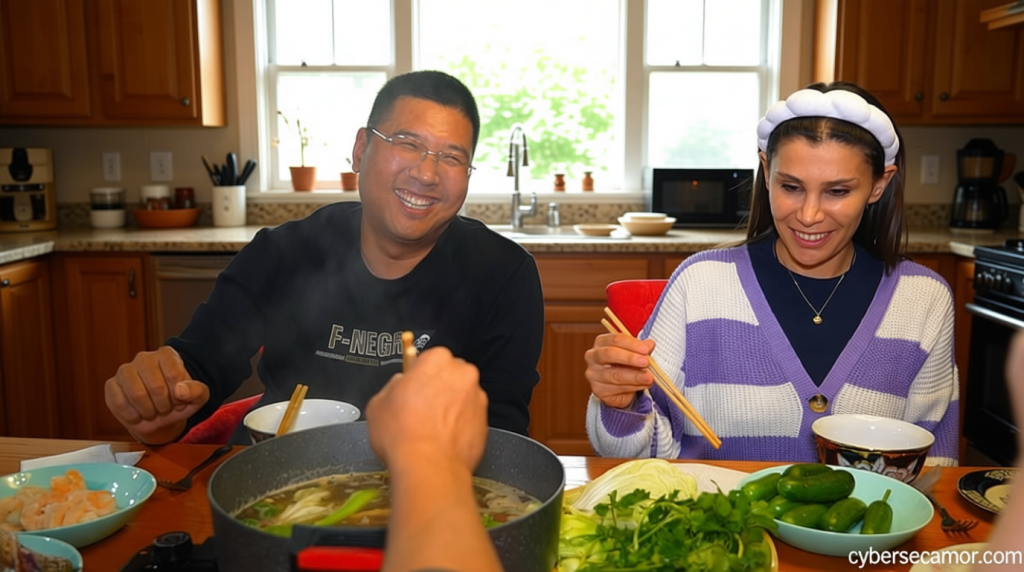
The experience is unique: instead of rigid schedules, visitors are encouraged to partake in the rhythm of daily life. Many stay for several days, preparing meals in the shared kitchen or exchanging culinary secrets with fellow travelers. For Liu Xianzhong, a Chinese visitor who spent weeks in Termez, this environment transformed his journey. “I feel very comfortable here,” he says. “During the day we work or explore the city, and in the evening we cook together. We share our food and experiences with each other.”
Such moments of connection are rare in conventional hotels, where the focus is often on convenience rather than cultural immersion. In Nazarova’s guesthouse, the act of cooking together became a bridge between cultures. One evening, guests combined ingredients from multiple traditions, creating a meal that symbolized the Silk Road’s spirit of exchange. This kind of shared experience is what makes these guesthouses stand out, offering a sense of belonging that hotels seldom replicate.
Historic Homes in Bukhara
Further west, in Bukhara, guesthouses are frequently housed within restored historic buildings, preserving architectural heritage while catering to modern needs. These structures, often dating back centuries, retain their original courtyards and intricate wooden carvings, which are seamlessly integrated with contemporary amenities. Sabina Ashurova, who opened her guesthouse in 2019, recalls the humble beginnings of her venture. “At the beginning, we had only four rooms,” she says. “They were very simple. Later, we renovated everything and decorated the rooms in the traditional Bukhara style.”
“It is a suitable job for women because we can work from home and still spend time with our children.”
Ashurova’s story reflects a broader trend in Bukhara, where family-run guesthouses are becoming central to the city’s tourism appeal. The blend of old and new not only honors the region’s past but also creates a space where visitors can connect with local history. For many, these guesthouses are a highlight of their visit, offering an opportunity to experience the daily lives of Uzbek families without the sterility of a standard hotel.
Travellers like Timon and Emma, who came from Belgium, echo this sentiment. “In a guesthouse, you are closer to the real culture,” Timon notes. “Hotels often feel the same everywhere, but here you can speak directly with the owners and learn more about local life.” This proximity to authentic traditions is a key draw, as it allows visitors to engage with Uzbek customs in a way that is both personal and meaningful.
Samarkand’s Blend of Old and New
The journey continues to Samarkand, a historic city that remains a vital node on the Silk Road. Guesthouses in this area are designed to harmonize traditional architecture with the expectations of international travelers. Mansurali Ergashev, the owner of the Bibixonim family guesthouse, highlights this balance. “This guesthouse combines national traditions with modern comfort, which foreign guests really appreciate,” he says. The rooms are equipped with modern facilities, yet decorative elements like handwoven textiles and traditional motifs pay homage to the region’s cultural heritage.
Ergashev opened his guesthouse in 2014, strategically located near the Bibixonim Mausoleum—a landmark that anchors the city’s historical identity. The proximity to such sites allows guests to explore the city’s rich past while enjoying the comforts of a home-like setting. For visitors, this duality creates a more immersive experience, where the past and present coexist in a seamless manner.
Many travelers find that staying in these guesthouses deepens their appreciation for the Silk Road’s legacy. Unlike large hotels, where the ambiance is often uniform, guesthouses offer a sense of place and personality. Derin, a visitor who stayed for several days, describes the atmosphere as “very safe and warm.” He adds, “We meet people from different countries, cook together, and spend time like a family.” Such testimonials underscore the value of these spaces as more than accommodations—they are cultural incubators.
The Capital’s Hidden Gems
Even in Tashkent, Uzbekistan’s capital, the tradition of hospitality endures in subtle ways. Some guesthouses are nestled within historic mahallas, traditional neighborhoods where time seems to move at a gentler pace. These areas, characterized by their labyrinthine streets and communal courtyards, provide a backdrop for the warmth of local hosts. For instance, a guesthouse in one such mahalla might feature a courtyard where residents gather, sharing stories and refreshments as they welcome visitors into their fold.
The impact of these guesthouses extends beyond individual experiences. They play a crucial role in preserving Uzbek heritage, ensuring that the essence of the Silk Road remains alive in contemporary society. By offering travelers a glimpse into family life, local customs, and architectural beauty, these establishments serve as ambassadors of Uzbek culture. As tourism continues to evolve, the guesthouse model offers a sustainable alternative, supporting local economies while fostering cross-cultural understanding.
The significance of these spaces is also evident in their ability to adapt to modern demands. While they retain the core of traditional hospitality, they incorporate elements like Wi-Fi, private bathrooms, and guided tours to meet the expectations of today’s travelers. This evolution ensures that the spirit of the Silk Road—of shared journeys and mutual respect—remains relevant. As travelers from diverse backgrounds gather in these guesthouses, they become part of a living history, carrying the stories of their hosts with them as they move onward.
In a world where convenience often overshadows connection, Uzbek guesthouses stand as a testament to the enduring value of hospitality. They are more than places to sleep—they are bridges between cultures, spaces where the past and present converge, and communities where travelers are not just guests but participants in a shared narrative. Whether in Surkhandarya’s rural charm, Bukhara’s historic grandeur, or Samarkand’s architectural splendor, these guesthouses continue to welcome those who seek more than just a temporary stop along the Silk Road.

