Trump backs off plan to charge tolls at Strait of Hormuz: Live updates

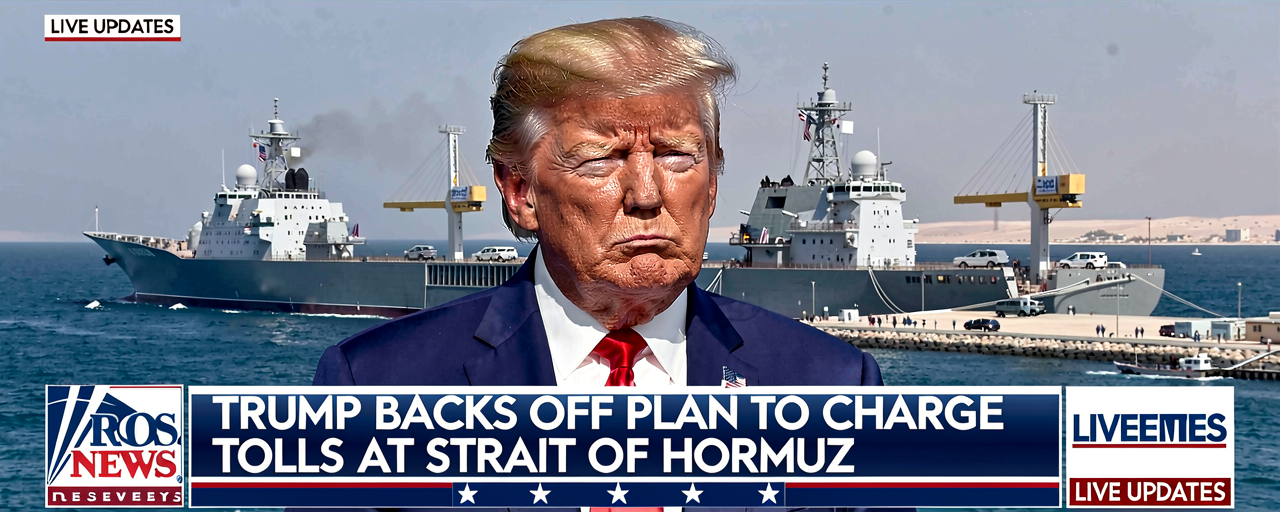
Trump Reverses Course on Strait of Hormuz Toll Proposal
Live Updates on International Relations
Cybersecarmor.com – President Donald Trump has reconsidered his earlier suggestion regarding the strategic waterway known as the Strait of Hormuz. Just twenty-four hours following his initial declaration, the American leader stepped away from his ambitious plan to assume control over this critical maritime passage. The proposed arrangement would have required vessels navigating through the region to pay a substantial twenty percent charge for their transit.
This significant policy shift comes at a pivotal moment for international commerce and geopolitical stability. The Strait of Hormuz serves as one of the world’s most important shipping corridors, connecting the Persian Gulf with the Arabian Sea. Millions of barrels of crude oil flow through these waters daily, making any changes to navigation rules highly consequential for global energy markets.
When Trump first introduced his concept, it generated considerable attention among economists, politicians, and maritime industry leaders. The idea of establishing a toll system for commercial ships represented an unprecedented approach to managing this vital international waterway. Critics and supporters alike debated the potential economic impacts of such a measure on both regional and worldwide trade patterns.
The reversal suggests that Trump’s administration may have received feedback prompting reconsideration of the original proposal. While specific details regarding the decision-making process remain unclear, the timing indicates that various stakeholders likely expressed concerns about the feasibility and implications of the twenty percent fee structure.
Maritime experts have noted that the Strait of Hormuz handles approximately one-fifth of all global oil shipments. Any modification to how vessels navigate this narrow passage could ripple through international supply chains, affecting everything from fuel prices to manufacturing costs across multiple continents. The proposed toll system would have fundamentally altered the traditional free navigation principles that have governed the waterway for decades.
Regional powers have long viewed the Strait of Hormuz as strategically significant. Iran, in particular, has maintained a strong presence in the area and has occasionally threatened to restrict access during periods of heightened tension. The American president’s initial proposal to take greater control over the passage may have been seen as an attempt to strengthen U.S. influence in the region while simultaneously generating additional revenue through the proposed fees.
Industry analysts suggest that the twenty percent charge could have added considerable costs to shipping operations. For commercial vessels making regular trips through the strait, these fees would accumulate rapidly, potentially leading to increased transportation expenses that might be passed on to consumers worldwide. The economic calculus behind the proposal likely involved weighing these potential costs against the benefits of enhanced American oversight and revenue generation.
The quick reversal demonstrates the dynamic nature of international policy-making, particularly when dealing with complex geopolitical situations. Trump’s administration appears to have prioritized maintaining stable relationships with key partners while still pursuing broader strategic objectives in the Middle East. The decision to step back from the toll proposal may reflect a desire to avoid unnecessary friction with both regional allies and international trading partners.
As developments continue to unfold, observers will be watching closely to see whether this represents a complete abandonment of the original concept or merely a temporary adjustment. The future of the Strait of Hormuz remains an important question for global commerce, and any changes to its management will undoubtedly have far-reaching consequences for international relations and economic stability worldwide.