Controversial White House report targets Smithsonian. What’s going on?

Smithsonian Faces White House Scrutiny Over Alleged Ideological Shift
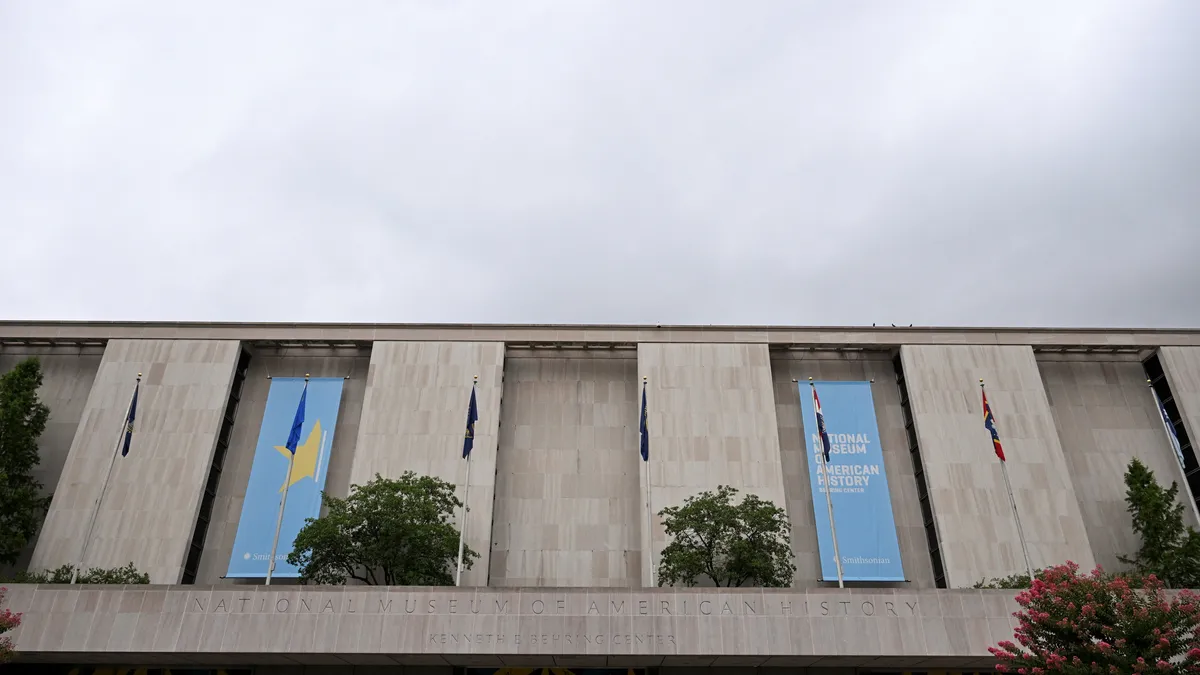
Cybersecarmor.com – Relations between the Trump administration and the Smithsonian Institution have grown increasingly strained following the publication of a critical White House assessment. The controversial document leveled accusations against the National Museum of American History, claiming the institution had embraced what it termed a “radical, activist ideology” within its exhibitions and programming.
Following the report’s publication, a wave of support emerged for the museum from the historical community. Smithsonian officials publicly criticized the findings, while numerous visitors—some of whom expressed support for President Donald Trump—indicated they found minimal evidence of any radical agenda during their visits to the Washington, D.C. institution.
Report Details and Key Accusations
The comprehensive 162-page document, issued on July 4 by the White House Domestic Policy Council, represents a significant component of the Trump administration’s broader examination of the Smithsonian. This federal institution encompasses 21 museums alongside the National Zoo, making it one of the nation’s largest cultural organizations.
According to the assessment, the National Museum of American History has placed excessive emphasis on themes related to racism, oppression, and inequality. The report contends that museum leadership has shifted away from traditional historical scholarship toward active social justice advocacy. Furthermore, the document argues that the museum’s exhibitions inadequately celebrate American accomplishments, instead working to “teach disdain and inspire disgust of our great country” among visitors.
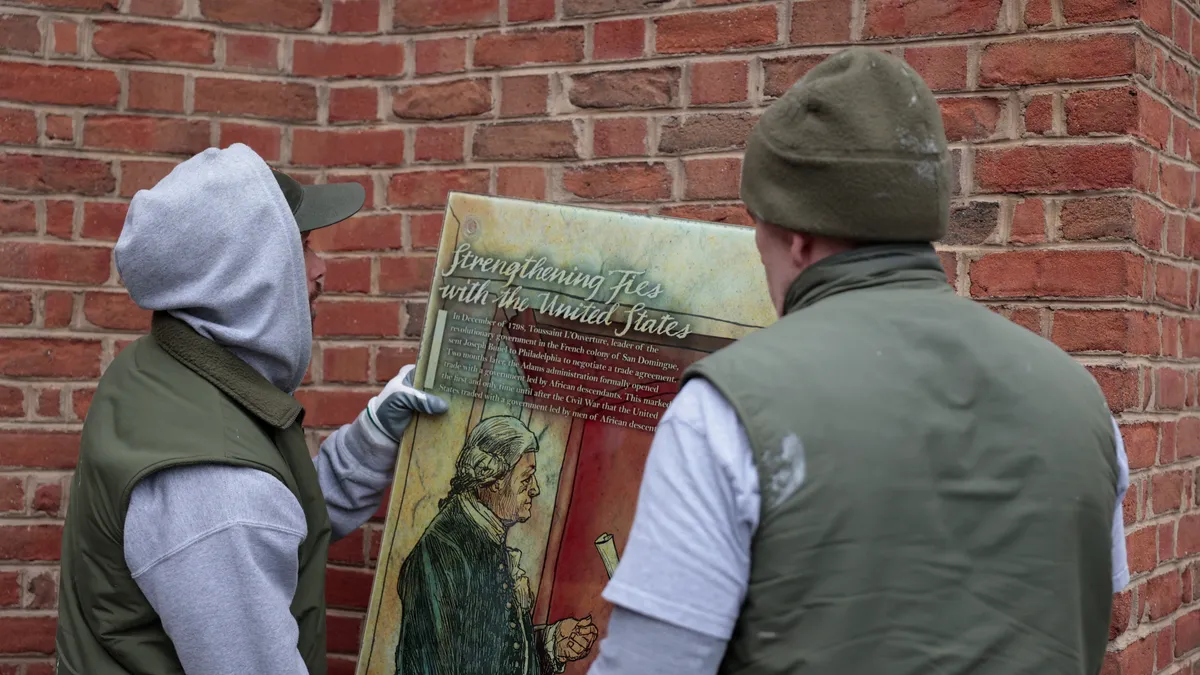
The assessment specifically criticizes how the museum presents foundational American narratives. It accuses the institution of characterizing the Pilgrims as colonizers rather than settlers, portraying Thanksgiving as a day of mourning rather than celebration, and depicting European settlement of America as a “profound unsettling” of indigenous populations.
Smithsonian and Historians Respond
While the Smithsonian Institution has not issued a formal public statement addressing the allegations, Smithsonian Secretary Lonnie Bunch communicated his perspective to staff members in an email obtained by USA TODAY. Bunch characterized the report as “not a fair characterization of the work and totality” of the American history museum, emphasizing that the institution’s efforts remain grounded in scholarly rigor.
Bunch further explained that the Smithsonian’s mission is “driven by scholarship, accuracy, and an uncompromising commitment to telling the fullness of America’s story.” He reaffirmed the institution’s dedication to maintaining “nonpartisanship, independence, accuracy, and integrity” in all its endeavors.
The historical community has largely rallied behind the Smithsonian. More than a dozen visitors who spoke with USA TODAY on July 9—including several Trump supporters—described the museum’s portrayal of American history as both fair and nuanced. The Organization of American Historians, the nation’s largest professional organization focused on U.S. history preservation, strongly condemned the White House report.
“The report is part of an ongoing and multi-pronged assault by the Trump administration against accurate and evidence-based history in American public life,” the organization stated in its response.
Trump’s Cultural Institution Overhaul
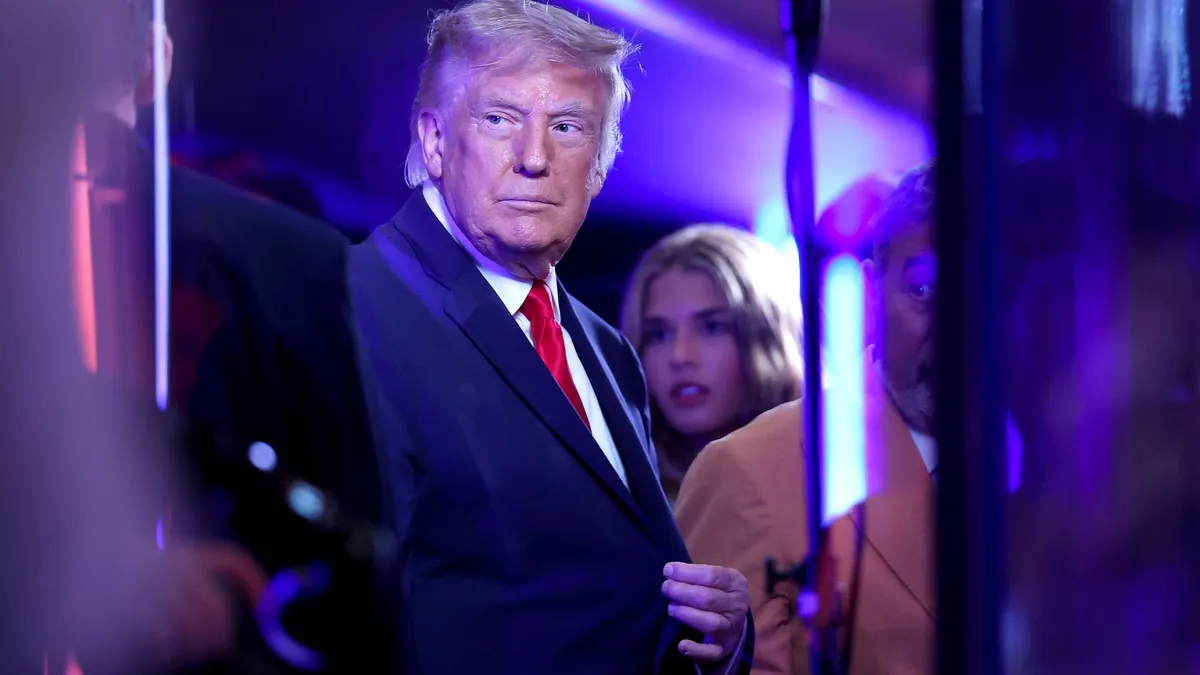
Since resuming the presidency, Donald Trump has pursued an ambitious agenda to transform cultural institutions according to his vision. His efforts have targeted the Kennedy Center, various universities, and the Smithsonian Institution itself. Last year, Trump signed an executive order mandating that the Smithsonian eliminate what he described as “divisive, race-centered ideology” from its operations and exhibitions.
The administration subsequently ordered a comprehensive review of the entire Smithsonian system. This review process effectively resulted in the removal of the director of one of the institution’s flagship museums, who was cited for her support of diversity, equity, and inclusion initiatives as well as what the administration characterized as partisan viewpoints.
The White House has firmly defended its position. Vince Haley, director of the White House Domestic Policy Council, issued a statement declaring: “No American wants the Smithsonian’s National Museum of American History to be a system of ideological activism. Unfortunately, the report demonstrates that is exactly what the Smithsonian’s flagship museum has become.”
Looking Ahead
The report concludes with a stark assessment of the museum’s current trajectory. It asserts that the “Smithsonian Institution, and the National Museum of American History in particular, under its current leadership and current interpretive ideology, cannot be trusted to tell America’s story honestly and in a way that is inspiring, unifying, and worthy of our great republic.”
As the 250th anniversary of America approaches, the debate over how the nation’s history should be presented continues to intensify. The absence of major exhibits devoted to the founding fathers or key Revolutionary War events has drawn particular criticism from the White House assessment, which argues the museum has intentionally downplayed America’s founding during this significant milestone year.
The ongoing tension between the administration and the Smithsonian reflects broader questions about the role of cultural institutions in shaping public understanding of American history and identity.