Trump’s 250-foot DC arch clears key hurdle to move closer to reality

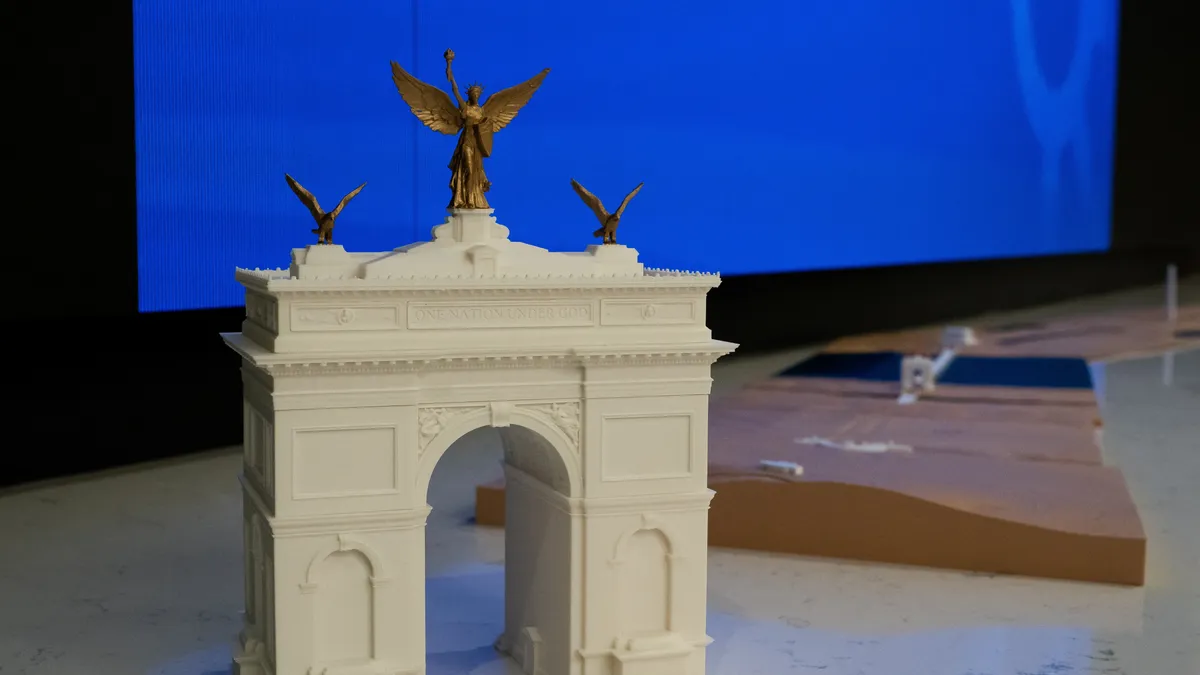
Trump’s Monumental Arch Proposal Advances Through DC Planning Commission
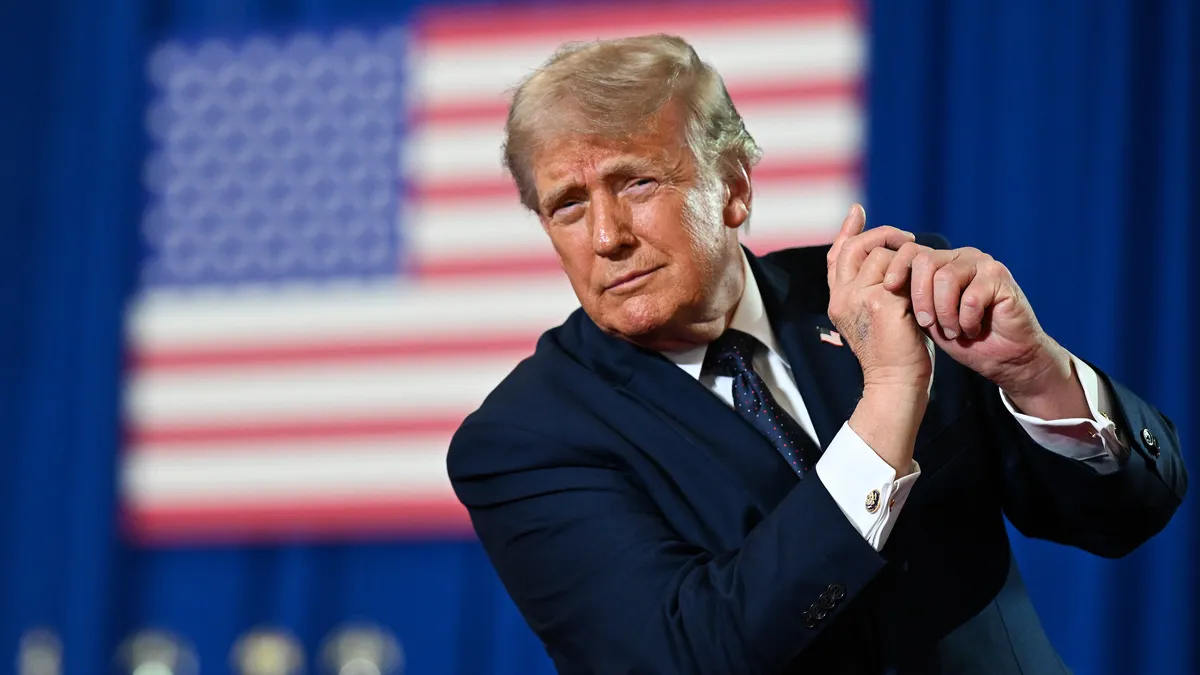
Cybersecarmor.com – A significant milestone was reached on July 9 when President Donald Trump’s ambitious triumphal arch project secured preliminary endorsement from a District of Columbia oversight body. This decision enables the contentious undertaking to progress despite substantial opposition from preservation advocates, architectural professionals, and military veterans who have raised serious concerns about the proposal.
The National Capital Planning Commission, a body containing multiple Trump allies, cast an 8-1 vote in favor of approving an initial site selection and architectural framework for the arch. The proposed location sits adjacent to Arlington National Cemetery, one of America’s most revered burial grounds. This preliminary approval establishes the groundwork for a definitive decision scheduled for September. Additionally, three commissioners chose to abstain from voting during the proceedings.
Height Limitations and Congressional Authorization
During the upcoming final deliberation phase, commission members must determine whether the towering 250-foot structure can receive an exemption from existing federal legislation. Current regulations cap building heights throughout Washington at 130 feet, a restriction that would require congressional intervention to overcome for this monument.
Evan Cash, representing the DC city council and serving as the sole commissioner opposing the arch, emphasized that statutory requirements are unambiguous. He stated that legislative approval from Congress remains mandatory to circumvent the established height restrictions. Cash expressed reluctance to support measures that could disrupt decades of commission precedent and century-old architectural guidelines without proper congressional endorsement.
Public Opposition and Historical Concerns
The preliminary approval followed an extensive public hearing where community members voiced strong criticism. Critics contended that the massive arch would obstruct crucial sightlines connecting Arlington National Cemetery with the Lincoln Memorial. Many argued that alternative locations within the capital would better suit the monument’s placement.
Family members of soldiers interred at Arlington, including mothers who lost children in military service, expressed worries that the arch would diminish the cemetery’s peaceful atmosphere. Several speakers criticized the accelerated timeline through which Trump administration officials have advanced the proposal. A common sentiment among detractors was that the monument primarily serves to satisfy personal ambitions rather than national commemorative purposes.
“Actions, not objects, are what commemorate and memorializes an administration,” Frederick Gottschalk of the veterans advocacy group Common Defense remarked during the proceedings.
Will Scharf, the commission’s chairman appointed by Trump and also serving as White House staff secretary, defended the project. He described the arch—which would exceed twice the height of the Lincoln Memorial—as an appropriate tribute marking the nation’s 250th anniversary of independence.
Symbolic Interpretations and Mitigation Plans
Among the nearly three dozen citizens who addressed the commission during the public hearing, Melissa Millhorn offered a particularly compelling historical perspective. She argued that an arc represents ancient Rome’s transition from republic to empire, a development contrary to foundational American values.
“The absence of such an arch in Washington is not a deficiency to be corrected, but distinction to be preserved,” Millhorn explained. “Consider the company this arch would keep: Napoleon’s Paris. Mussolini’s Rome. Pyongyang, where the Arch of Triumph glorifies Kim Il-sung.”
Addressing concerns raised by veterans regarding potential construction disruptions, Scharf proposed implementing a mitigation strategy. He indicated a desire to develop measures that would minimize noise levels during ceremonies honoring fallen soldiers at the cemetery. “If at all feasible, I’d like some sort of plan to ameliorate that particular concern,” Scharf noted.
The White House has yet to disclose the projected financial cost of the arch project. President Trump has indicated that private funding sources will cover expenses, mirroring his commitment to utilize personal donations for the $400 million ballroom construction currently underway on White House property.