Soccer ball imports hit record high ahead of 2026 World Cup

Soccer Ball Imports Hit Record High Ahead of 2026 World Cup
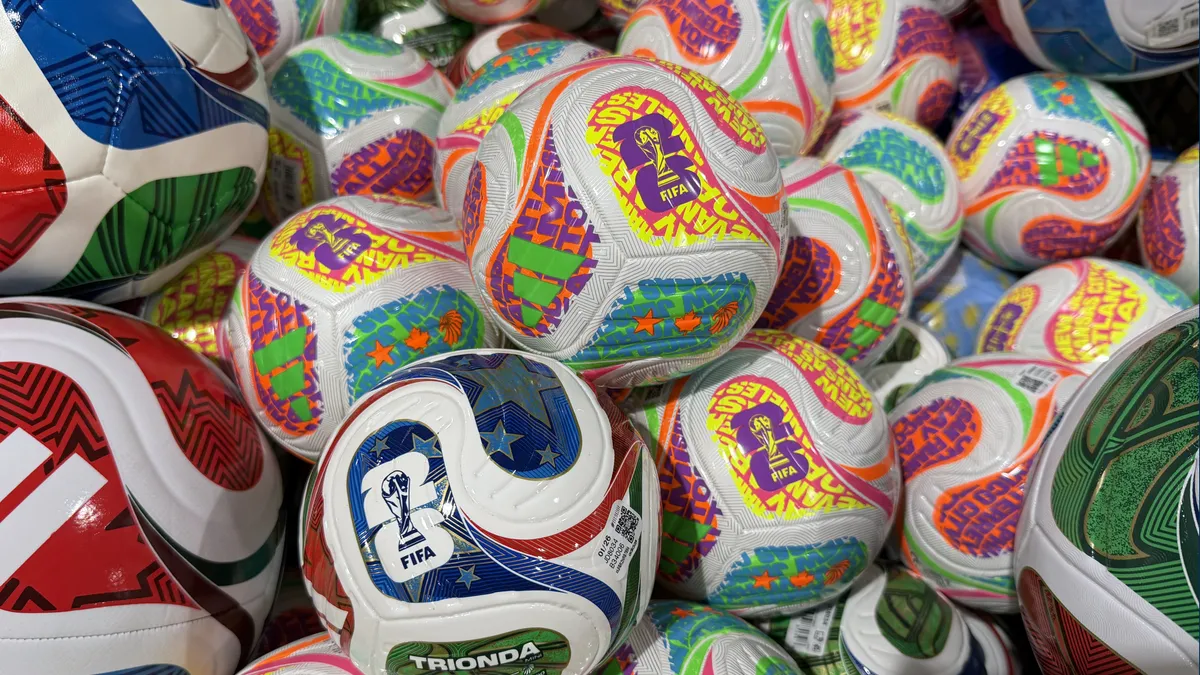
Cybersecarmor.com – The United States is witnessing a surge in soccer-related trade activity as the nation gears up for the 2026 FIFA World Cup, a global event set to be hosted jointly with Canada and Mexico. This unexpected increase in demand is not just limited to fans eager to watch matches; it’s also evident in the influx of soccer equipment into the country, with a particular focus on the import of soccer balls. According to a USA TODAY analysis of Census trade data, the volume of these imports has reached unprecedented levels, signaling a significant shift in the American sports market.
Traditionally, the World Cup has been a major driver of soccer-related commerce, but the 2026 edition is already setting new benchmarks. The first four months of 2026 saw U.S. soccer ball imports climb to nearly $40 million, surpassing any previous four-month total since 2002. This dramatic spike underscores the growing popularity of the sport in the United States, which has long been dominated by American football and basketball. With the World Cup now returning to the U.S. for the first time since 1994, the anticipation is palpable, and the market is responding with record-breaking numbers.
“The import surge testifies to the power of the World Cup to popularize soccer in America,” said Gary Hufbauer, an economist at the Peterson Institute for International Economics. “This phenomenon is part of a larger trend in which soccer is joining football and basketball as a major sport.”
Businesses across the country are already capitalizing on this enthusiasm, with many stocking up on soccer gear months before the tournament kicks off. Import data reveals that preparations began as early as 2025, with soccer ball imports from August 2025 to April 2026 reaching their highest level compared to the same period in previous years. This proactive approach by retailers and suppliers is a testament to the event’s economic influence, as companies anticipate a surge in consumer interest and spending.
The 2026 World Cup, spanning from June 11 to July 19, will feature 48 national teams competing across the three North American host countries. This expansion marks the largest World Cup in history, with matches taking place in 11 U.S. cities. These include iconic locations like New York City, Los Angeles, Miami, and Dallas, as well as emerging hubs such as Boston, Atlanta, and Houston. The sheer scale of the event has generated excitement, prompting fans to gather in stadiums and online to support their teams.
For many, the World Cup is more than just a sporting spectacle—it’s a cultural phenomenon that brings communities together. Immigrant populations from soccer-playing nations are organizing watch parties, while fans from Scotland and Norway are making their presence felt in cities like Boston and Seattle. The energy of the event is contagious, with celebrations like the “Viking row” from Norwegian supporters trending on social media and fans drinking local beer supplies dry in anticipation of matches. This shared enthusiasm is driving unprecedented engagement across the country.
While soccer balls dominate the headlines, the demand for related products is also on the rise. Retailers are seeing increased sales of jerseys, shoes, and other merchandise, with some items already being stocked more than a year in advance. Nicholas Duenas, owner of the Boston Soccer Shop in Cambridge, highlighted that his store had been preparing for the World Cup six to eight months ahead of schedule. “Soccer is just getting so, so crazy,” he remarked, noting a record number of customers flocking to his shop over the past year.
Similarly, Gus Avalos, manager of Soccer and Rugby Imports, shared his own experience of anticipating demand. He began preparing for the tournament almost a year prior, placing bulk orders with major brands like Adidas, Nike, and Puma. Some products arrived in time for the holiday season, showcasing the early commitment of businesses to meet consumer expectations. Avalos emphasized that the sales boost has exceeded forecasts, with June 2026 seeing nearly double the revenue compared to the same month in 2025.
“It’s a nice boost for business every four years,” Avalos added. “With the World Cup in the United States for the first time since 1994, there’s definitely more excitement because people can drive to the games.”
The enthusiasm for the tournament is not only driving retail sales but also shaping supply chain strategies. Rohit Tripathi, vice president of industry strategy and manufacturing at RELEX, a retail technology firm, pointed out that major events like the World Cup create short, intense demand windows. “From a planning perspective, major sporting events generate concentrated demand,” he explained. “It’s crucial for retailers to ensure products are available at the right price and time to match this surge.”
These increased imports are being fueled by a combination of factors, including the World Cup’s expanded reach and the global nature of the sport. Pakistan has emerged as the top supplier of soccer balls, followed by China and Indonesia, with these countries playing a pivotal role in meeting the U.S. market’s demands. Sialkot, a key manufacturing hub in Pakistan, has long been recognized for its quality production, and its contributions to the import surge highlight the international collaboration required to support such a massive event.
As the tournament approaches, the ripple effects of this growth are becoming more apparent. Local businesses, from small soccer shops to larger importers, are experiencing a surge in sales that has transformed the sports retail landscape. This phenomenon reflects a broader shift in American sports culture, where soccer is no longer a niche activity but a mainstream attraction. The World Cup’s return to the U.S. is not just a celebration of the game—it’s also a catalyst for economic activity, uniting fans and retailers in a shared excitement for the event.
The expanded format of the World Cup, featuring 48 teams instead of the previous 32, has further amplified this trend. With more matches and greater accessibility for fans, the sport’s popularity is expected to reach new heights. The success of the 2026 tournament could set a new standard for how major sporting events influence trade and consumer behavior, creating opportunities for growth in the years to come. For now, the focus remains on the immediate excitement of the event, with businesses and fans alike preparing to celebrate the world’s favorite game in style.