Venezuela earthquake death toll climbs over 1,400 as rescuers search

Venezuela Earthquake Death Toll Surpasses 1,400 as International Aid Efforts Intensify
Cybersecarmor.com – Two powerful earthquakes struck Venezuela’s northern coastline on June 24, 2026, causing widespread destruction and prompting urgent relief operations. The initial tremors, measuring 7.2 and 7.5 on the Richter scale, occurred within minutes of each other, leaving communities in chaos and raising concerns about the scale of casualties. As of June 28, the death toll from the disaster has risen past 1,400, with officials warning that the number could grow significantly in the coming days.
According to data from the U.S. Geological Survey, the tremors have the potential to result in over 10,000 injuries or fatalities, highlighting the severity of the situation. International rescue teams, including three from the United States, have been deployed to assist in the search and recovery efforts, working alongside local volunteers and emergency personnel. Despite the massive effort, the recovery process is proving difficult, compounded by the lack of heavy machinery and the limited coordination from Venezuelan authorities.
Delcy Rodríguez, the country’s interim president, provided updates on the rescue operations during a press statement on June 27. She mentioned that 33 individuals had been saved so far, among them several children. The president also shared a heartening message on X, announcing the successful extraction of an 11-year-old boy from the rubble in La Guaira. Video footage captured the moment rescue workers carried the child out on a stretcher, symbolizing a flicker of hope amid the devastation.
“A few minutes ago, an 11-year-old boy was rescued alive in Caraballeda,” Rodríguez wrote. “At this time, every life is a source of hope for Venezuela.”
However, the search for survivors continues with dwindling time. Sebastian Eugster, head of the Swiss rescue team, emphasized the critical window of opportunity for saving lives. “There exists a window of roughly three days, 72 hours, where the probability afterwards decreases that you can save people alive,” he explained to Reuters. This urgency has driven teams to operate around the clock, even as conditions worsen with the passage of time.
The epicenter of the disaster, Caraballeda, has become a focal point for rescue efforts. Reuters reported that U.S. helicopters were repeatedly transporting workers to a dusty landing zone in the area, facilitating the rapid movement of teams and equipment. The U.S. has been a key player in the international response, with elite units stationed in Fairfax County, Virginia; Los Angeles County, California; and Miami-Dade County, Florida, all contributing to the search and rescue mission.
Local authorities have been overwhelmed by the scale of the destruction. In La Guaira and parts of Caracas, families and volunteers have been manually extracting survivors and bodies from collapsed buildings. The lack of heavy machinery has slowed progress, forcing rescuers to rely on hand tools and sheer determination. Meanwhile, the government has faced criticism for its delayed response, with some citing insufficient resources and communication as major obstacles.
On June 26, Rodríguez made a significant diplomatic move by speaking with U.S. President Donald Trump and Secretary of State Marco Rubio. The call came just weeks after her predecessor was ousted in a January raid led by U.S. forces. During the conversation, she said both Trump and Rubio reaffirmed the United States’ commitment to supporting Venezuela during this crisis. “The U.S. government remains steadfast in its support for our people,” Rodríguez stated, underscoring the importance of international cooperation in the aftermath of the disaster.
As of June 27, the official count revealed that at least 1,430 people had been confirmed dead, with over 3,200 reported injured. Additionally, more than 3,000 residents have been displaced, according to a statement from a member of Congress. The earthquake has left entire neighborhoods in ruins, with schools, hospitals, and homes reduced to rubble. Survivors describe the scene as apocalyptic, with debris scattered across streets and makeshift shelters set up in open spaces.
Amid the chaos, the Vatican has extended its support to the affected communities. Pope Leo XIV, in a message to Roman worshippers on June 28, expressed solidarity with the people of Venezuela. “I want to express my closeness to the Venezuelan sisters and brothers affected by the recent earthquakes,” he said. “My gratitude goes to the rescue workers who are tirelessly working to save lives.” This endorsement has added a spiritual dimension to the international aid efforts, emphasizing the humanitarian aspect of the crisis.
The earthquakes have not only caused physical damage but also disrupted the fragile political landscape of Venezuela. With the interim government under pressure to provide clear leadership, the disaster has tested the nation’s resilience. As the search for survivors continues, the focus remains on both immediate relief and long-term recovery. The combined efforts of foreign teams and local volunteers highlight a shared determination to rebuild and restore hope in the face of adversity.
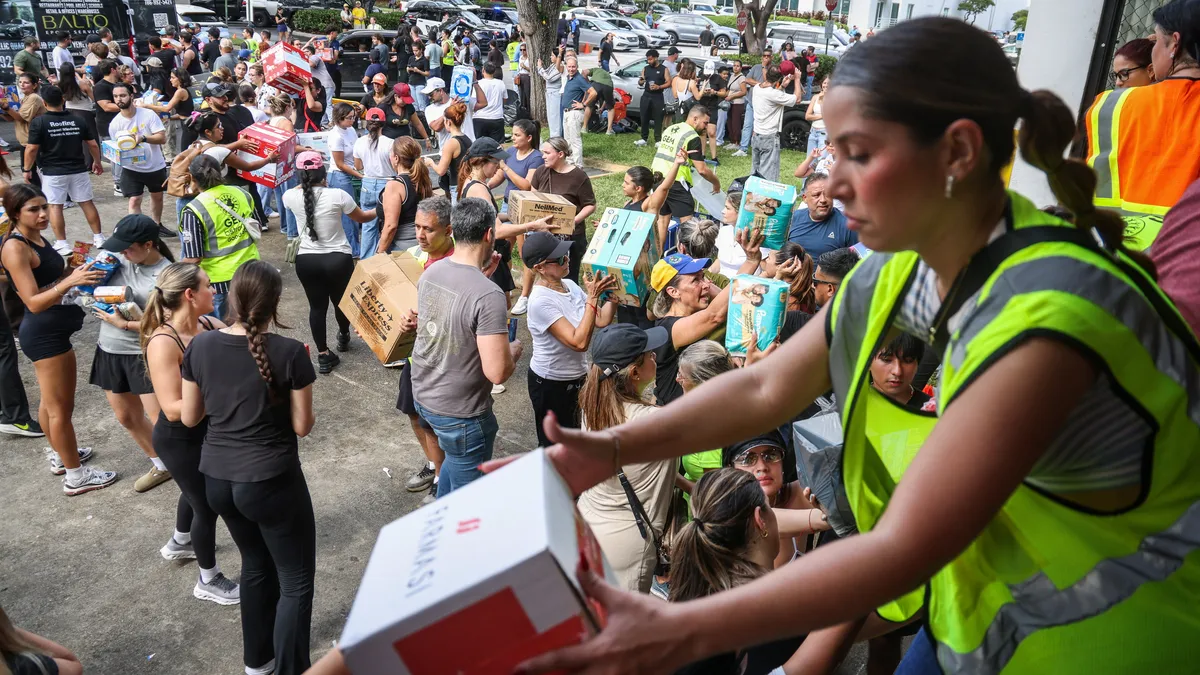
Residents of La Guaira and Caraballeda have become the heart of this operation, often working in the dark or under extreme heat to locate trapped individuals. The emotional toll of the event is evident, with families recounting their fears and grief. Yet, the spirit of perseverance is palpable, as communities rally together to support one another. The arrival of international aid has brought a sense of urgency, but challenges remain in coordinating efforts and ensuring resources reach those in need.
With the 72-hour window for rescue diminishing, the international community is under pressure to accelerate operations. The situation in Venezuela serves as a stark reminder of the vulnerability of regions prone to natural disasters, especially those with limited infrastructure and resources. As the country grapples with the aftermath, the global response reflects a commitment to solidarity and shared humanity. The journey to recovery is just beginning, but the collective effort offers a glimmer of light in the darkness.