
WHO warns of health crisis ‘unfolding in real time’ across Middle East
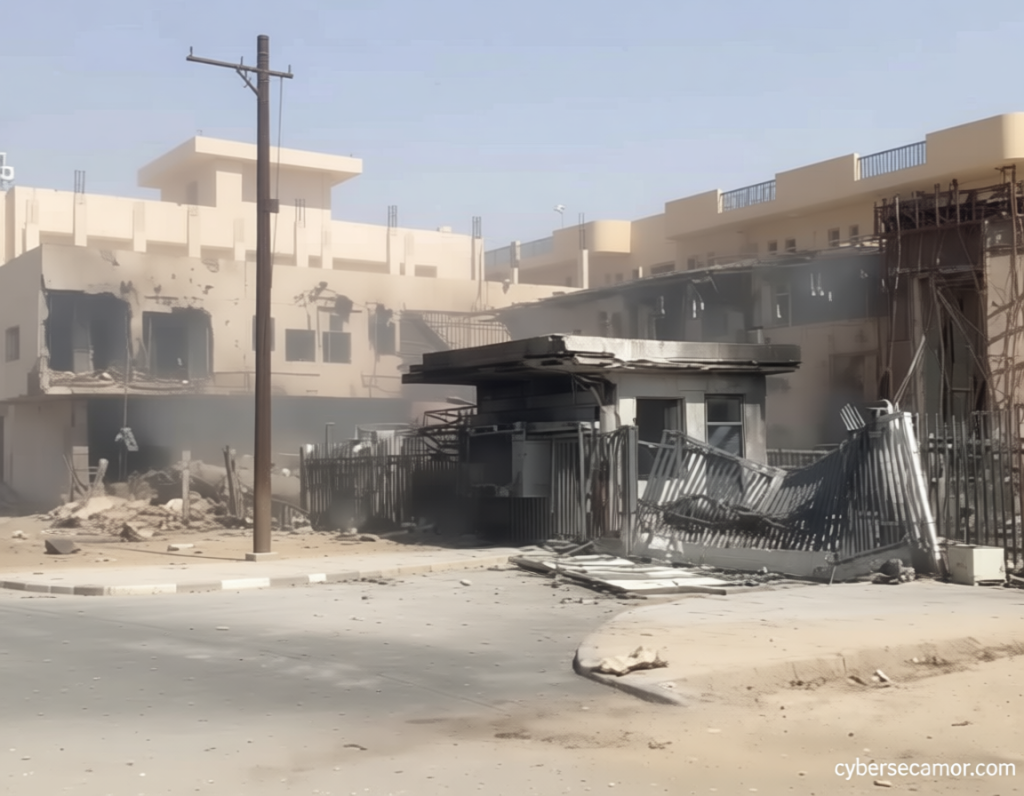
WHO Urges Immediate Ceasefire to Stem Escalating Health Crisis in Middle East
Dr. Hanan Balkhy, the World Health Organization’s regional director for the Eastern Mediterranean, has called for a complete halt to hostilities in the Middle East to prevent a “health crisis unfolding in real time.” She emphasized that healthcare facilities must be protected as “safe havens” amid the ongoing conflicts, which are disrupting medical services across the region.
The Middle East encompasses 22 nations and territories, such as Iran, Gulf states, Gaza, Sudan, Afghanistan, and Pakistan. Balkhy noted that the current situation represents a significant regional health emergency, with multiple areas experiencing a breakdown in access to care that extends far beyond initial expectations.
According to official reports, the US-Israel conflict with Iran has resulted in over 1,000 fatalities in Lebanon, more than 1,500 in Iran, and 16 in Israel. Additional deaths were documented in the West Bank and Gulf Arab states. The crisis has also displaced 3.2 million people from Iran and over a million in Lebanon within a month.
“It’s not just about lives being lost. It’s about a collapse of access to healthcare in many, many dimensions way above and beyond what we would have imagined,” Balkhy stated.
She highlighted the long-term consequences of the conflicts, warning that even after hostilities cease, the damage to health systems could persist. Among her concerns are increased maternal mortality, deteriorating mental health, and the loss of education for children left orphaned.
Balkhy expressed particular alarm over the potential targeting of nuclear sites, whether intentionally or by accident. She noted that such attacks could trigger severe health repercussions, especially if desalination plants are also struck, leaving communities without critical water supplies.
Earlier this week, the Iranian Atomic Energy Organization confirmed a projectile hit the Bushehr nuclear power plant, echoing an earlier attack on the same facility in mid-March. “My worry is driving me to prepare and to have my teams prepare. And that’s what we’re doing,” she said.
The WHO is collaborating with other UN agencies to explore measures that could mitigate a potential catastrophe from further attacks on vital infrastructure. Balkhy also warned that contamination from oil or nuclear sites could seep into underground water sources, even if surface water remains available.
Meanwhile, she pointed out that the crises in Gaza, Sudan, and Yemen are receiving less attention than the US-Iran war. “It is very distressing because, behind that neglect, there’s a lot of hardship and death and sickness and illness and displacement that is going unrecognised,” she said.
