
Trump hints at wind down of war as US prepares to send more troops to Gulf
Trump hints at wind down of war as US prepares to send more troops to Gulf
Donald Trump suggested contemplating a reduction in military operations across the Middle East, even as Washington moves to reinforce its presence in the region. Reports indicate the deployment of three additional amphibious assault ships and approximately 2,500 marines to the Gulf, amid escalating tensions with Iran. The president’s remarks on Friday came after Tehran warned of potential attacks on global tourist destinations and amid sustained airstrikes, drone strikes, and missile launches in the area.
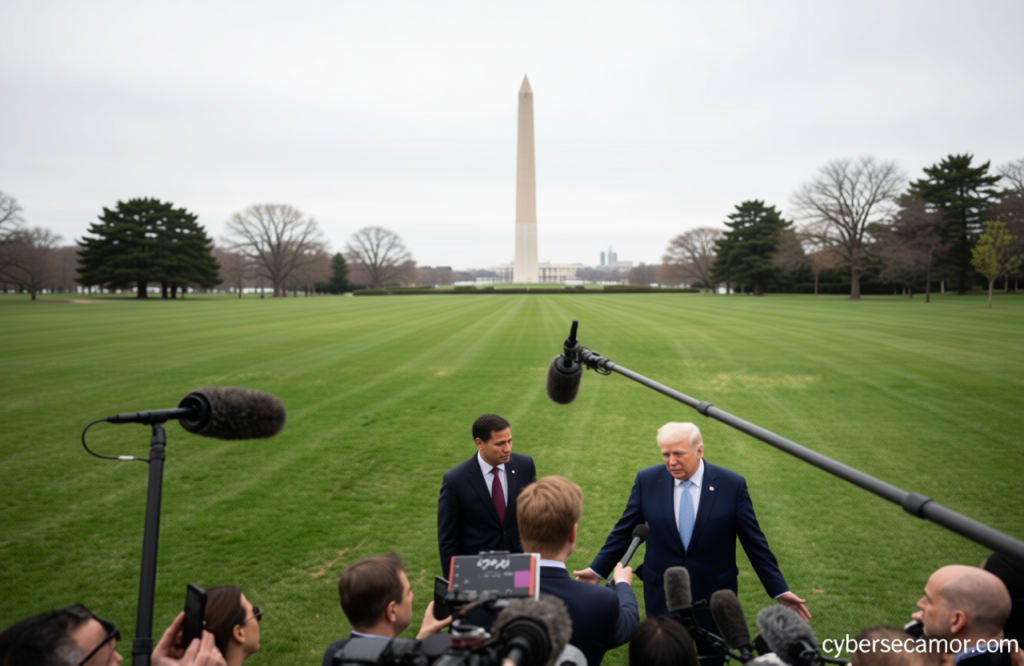
The US is reportedly evaluating plans to either occupy or blockade Iran’s vital Kharg Island, a key location for oil exports. This move aims to pressure Iran into reopening the Hormuz Strait, which remains critical for global energy supply. Trump’s comments reflected a shift in tone, as he initially dismissed the idea of a ceasefire, asserting Washington’s dominance in the conflict. “You don’t do a ceasefire when you’re literally obliterating the other side,” he told journalists at the White House.
“I don’t want to do a ceasefire. You know you don’t do a ceasefire when you’re literally obliterating the other side,” he said.
Later that evening, Trump tweeted that the US was “getting very close to meeting our objectives” and was “considering winding down our great Military efforts in the Middle East.” This signaled a possible pivot, though it contrasted with his earlier stance. The administration’s strategy appears fluid, with shifting narratives and unclear objectives, as officials grapple with a war that has intensified beyond initial projections.
Despite Trump’s claims of not planning to deploy troops, the Pentagon has already moved the 31st Marine Expeditionary Unit to the region. The unit, comprising around 2,200 marines, is set to join ongoing operations. The USS Boxer, carrying the force, is departing the US about three weeks ahead of schedule, though its specific role remains unspecified. Military analysts note that occupying Kharg Island would pose significant risks, exposing US forces to Iranian drone and rocket attacks in a confined geographic area.
“Without the U.S.A., NATO IS A PAPER TIGER! They didn’t want to join the fight to stop a Nuclear Powered Iran. Now that fight is Militarily WON, with very little danger for them, they complain about the high oil prices they are forced to pay, but don’t want to help open the Strait of Hormuz, a simple military maneuver that is the single reason for the high oil prices. So easy for them to do, with so little risk. COWARDS, and we will REMEMBER!”
The conflict shows no signs of easing, with recent strikes intensifying regional hostilities. An Iranian drone attack targeted a Kuwait refinery, while the US and Israel launched 16 strikes against Iranian cargo vessels in Gulf port towns. A local official from Hormozgan province reported that the attacks left multiple ships ablaze. Meanwhile, heavy explosions rattled Dubai as air defenses intercepted rockets during Eid al-Fitr celebrations.
Separately, Israel struck Syrian military positions, just days after US officials hinted at using Syrian forces to neutralize Hezbollah in Lebanon. The war’s consequences continue to unfold, with oil and gas prices rising sharply and warnings of further economic and geopolitical fallout.
