
Israel strikes Beirut and orders south Lebanon evacuation as conflict mounts
Israel strikes Beirut and orders south Lebanon evacuation as conflict mounts
Thursday marked a significant escalation in the Israel-Hezbollah conflict, with Israeli forces launching airstrikes in central Beirut and issuing fresh displacement directives for southern Lebanon. The military order, directed at communities within 25 miles of the border, urged residents to move northward for safety, targeting areas like Nabatieh and surrounding villages. A few hours later, Israeli bombs leveled two structures in Beirut’s Zouq Blat district, one of which was adjacent to a shelter for displaced families.
The attack caused chaos in the main square, where crowds of evacuees gathered. Meanwhile, the IDF also bombed a section of Ramlet al-Baida, a coastal neighborhood in central Beirut, killing at least two men and injuring 28. Lebanon’s health ministry confirmed the casualties, describing the strike as devastating for those sleeping in makeshift shelters. The bombardment followed Hezbollah’s intensifying assaults on Israeli territory, including rocket and drone attacks that injured two individuals.
“Where can I go?” asked Hamza Zbeeb, a 48-year-old municipal worker from Nimiriya, a village under evacuation orders. “Many people have gone to Beirut and returned because there’s nowhere to stay. I don’t want to be on the streets.”
Hezbollah’s operation, called “Operation Chewed Wheat” — a reference to a Quranic verse about reducing enemies to fragments — came after nearly two years of relentless Israeli airstrikes. The group’s most aggressive strikes yet targeted military bases in Haifa, Tel Aviv, and Beersheba, prompting a swift Israeli response. The conflict reached a peak in the 10-day span, with Hezbollah and Iran coordinating their attacks for the first time.
“Last night was a bit crazy,” said Daniel Dorfman, 43, from Metula, a town near the Lebanon border. “I don’t get anxious usually, but all the walls were shaking. It’s a little bit frightening. Here we get zero warning of any attack. You hear the explosions of the interception before you hear the sirens.”
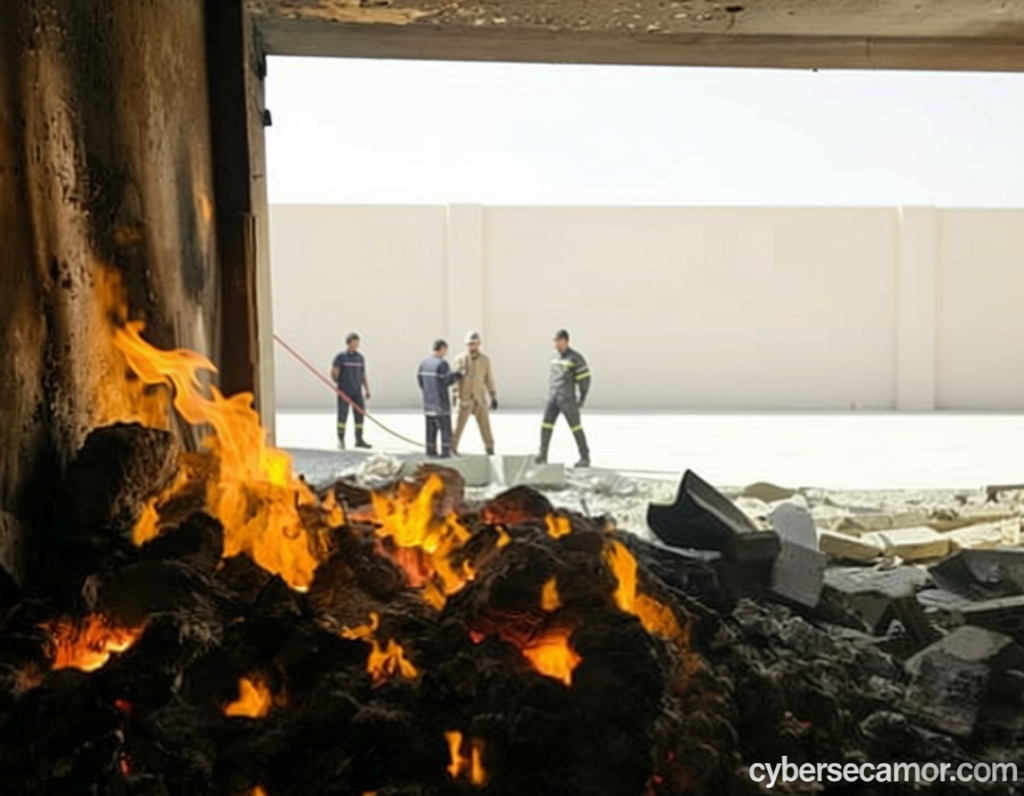
The bombardment of Beirut’s southern suburbs and southern Lebanon continued into Thursday afternoon, shaking the capital with periodic strikes. Videos captured collapsed buildings and smoky streets, highlighting the destruction. Ali Hariri, a lawyer and first responder in Nabatieh, described the night as “very difficult; what can I say? Bombing all night.”
Israel’s military leadership is now assessing a more aggressive campaign against Hezbollah, following the group’s coordinated missile and drone attacks. The latest strikes, combined with earlier evacuations, have displaced nearly a million people within just ten days. The conflict’s intensity underscores the growing pressure on both sides, with Hezbollah’s offensive marking a turning point in the region’s tensions.
