
Iran names slain supreme leader’s son as successor, in a defiant message to Trump
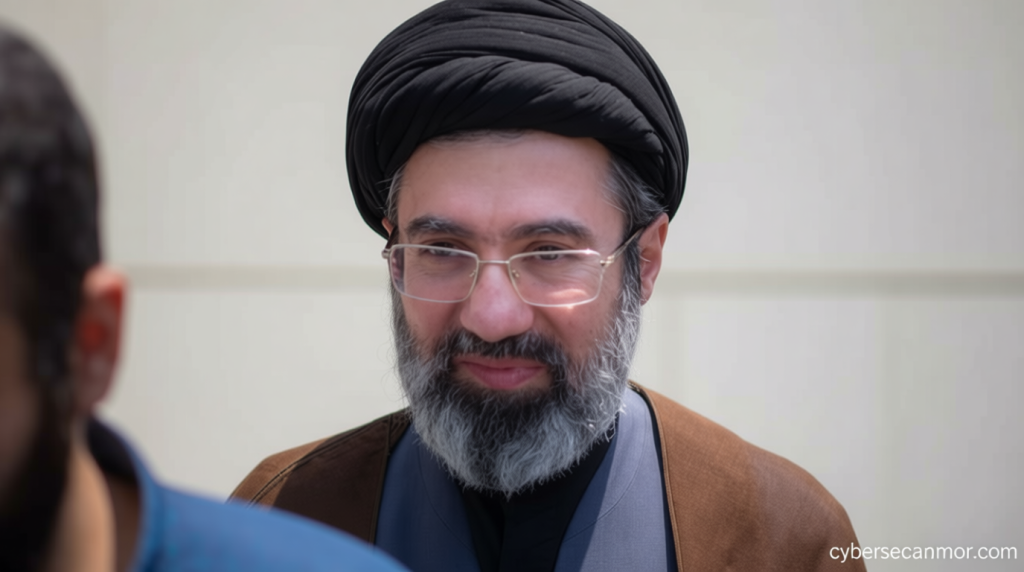
Iran Appoints Supreme Leader’s Son as New Ruler, Signaling Continued Hardline Stance
Following the demise of Iran’s former supreme leader, the nation has formally installed his son, Mojtaba Khamenei, as the next head of state. This move, which follows the father’s death in US-Israeli air strikes, marks the culmination of a decades-long tradition of power consolidation within the Khamenei family, despite initial hopes that the 1979 revolution would end such hereditary practices.
A Defiant Political Statement
The Assembly of Experts, comprising 88 members, has taken a step that many Iranians feared: transforming the Islamic Republic into a dynastic entity. By selecting Mojtaba, the leadership has issued a clear signal of resistance against U.S. pressure, particularly in the wake of President Donald Trump’s criticism of the regime. The choice reflects a broader determination to maintain the hardline policies that have defined Iran’s foreign and domestic strategies.
“Mojtaba may you die so you don’t assume the leadership role,” protesters chanted during the 2009 uprising, highlighting his early role in shaping the nation’s political trajectory.
From Shadows to Spotlight
Mojtaba Khamenei, born in 1969, was raised within the framework of religious education, much like his siblings. However, he has never attained the status of Mujtahid, a key qualification for supreme leadership. Despite this, his influence has been profound, with state media recently deploying AI-generated visuals to bolster his image as a capable successor. His strategic alliances with the Revolutionary Guards and economic networks underscore his behind-the-scenes dominance, even before his formal appointment.
Legacy of the Martyred Leader
Within hours of his selection, Iran’s state media released a four-minute documentary celebrating Mojtaba’s life. The film emphasizes his early service during the Iran-Iraq war, portraying him as a brave figure who fought alongside revolutionaries. This narrative aims to counter criticisms that he lacks the scholarly depth required of a “vali-faqih,” the supreme jurisprudent. The documentary also reinforces his political credentials, framing him as a natural leader in a time of international tension.
Behind the Scenes of Power
While Mojtaba maintained a low public profile for years, he was a central architect of his father’s policies. His support for Mahmoud Ahmadinejad’s 2005 presidential bid, including mobilizing Revolutionary Guards networks, positioned him as a key player in the hardline faction. The 2009 protests, which targeted Ahmadinejad’s re-election, revealed his growing political clout, as demonstrators targeted him with chants of defiance. The U.S. Treasury later sanctioned him in 2019, citing his role in advancing his father’s “destabilizing regional ambitions.”
A System Unshaken
After the announcement, a rapid sequence of loyalty pledges followed. The president, parliament, and Revolutionary Guards Corps publicly reaffirmed their allegiance to Mojtaba, signaling the stability of the “nezam” or system. This institutional backing solidifies his position as the third supreme leader, ensuring continuity of the leadership’s vision amid ongoing global challenges.
